
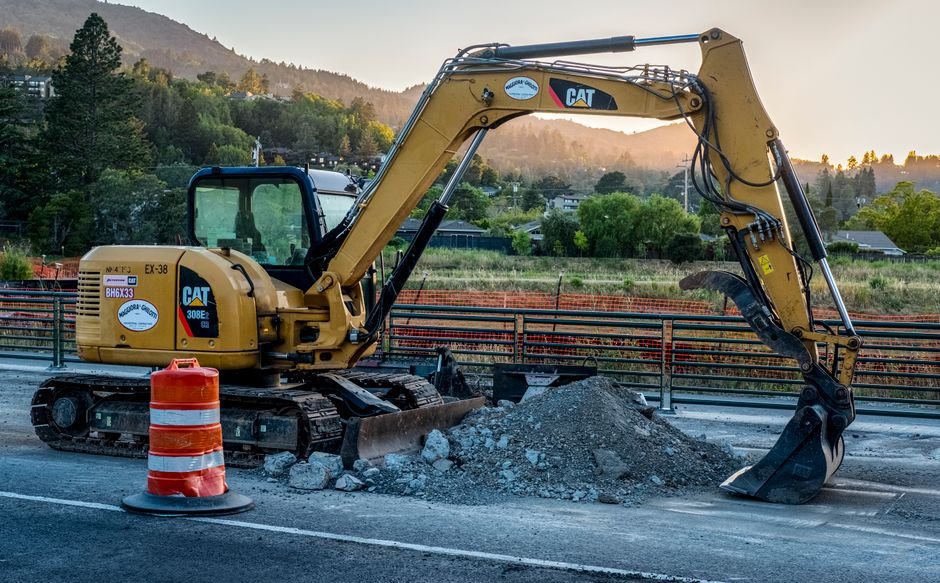
Caterpillar Stock Downgrade
Key Takeaways
- Analysts downgraded Caterpillar stock due to declining profitability.
- Baird cited reduced growth prospects in key markets.
- Investors reassessed Caterpillar's expansion plans in Asia.
- Earnings concerns sparked the sudden stock downgrade.
As of last week, India’s NIFTY 50 index had reached a record high, with the Sensex rising by 10.2% over the past quarter, outpacing its global peers. While this surge in investor confidence is largely attributed to the ongoing economic recovery and robust corporate earnings in the country, it’s worth noting that not all stocks are created equal. In a recent move that has sent shockwaves through the market, analysts at Baird downgraded Caterpillar Inc., the world’s largest heavy equipment manufacturer, citing concerns over the company’s declining profitability and reduced growth prospects in key markets like India. This development is significant, as Caterpillar’s operations in India have been a major driving force behind the company’s expansion plans in the Asian region.
Baird’s downgrade is the latest in a string of negative analyst notes on the company, which has seen its stock price decline by over 15% since the start of the year. Despite its dominance in the heavy equipment market, Caterpillar has been struggling to maintain its profitability in the face of increasing competition from Chinese manufacturers like XCMG and Sany Group. The company’s efforts to diversify its product offerings and expand into new markets have also been hampered by a slowdown in global economic growth and a decline in demand for heavy equipment.
India’s market is particularly significant for Caterpillar, as the country has been a key driver of growth for the company in recent years. However, with the Indian government’s efforts to promote local manufacturing and reduce dependence on foreign imports, Caterpillar has seen its market share decline in recent quarters. Analysts at Goldman Sachs have noted that the company’s failure to adapt to the changing regulatory landscape in India has been a major factor in its reduced growth prospects.
Setting the Stage
The heavy equipment market in India has been one of the fastest-growing segments in the country’s manufacturing sector, driven by government initiatives to boost infrastructure development and improve logistics. India’s NITI Aayog, the government’s think tank, has identified the heavy equipment industry as a key area for growth and has set ambitious targets for the sector. Companies like Ashok Leyland, Tata Motors, and Mahindra & Mahindra have been at the forefront of this growth, with their heavy equipment divisions recording significant increases in production and sales over the past few years.
Caterpillar, which entered the Indian market over two decades ago, has been a major player in this growth story. The company’s operations in India are focused on manufacturing and sales of heavy equipment, including excavators, bulldozers, and generators. However, with the Indian government’s increasing emphasis on local manufacturing and the rise of Chinese competitors, Caterpillar has seen its market share decline in recent quarters.
What's Driving This
So, what’s behind Baird’s downgrade of Caterpillar? According to analysts at the firm, the company’s declining profitability and reduced growth prospects in key markets like India are major concerns. Caterpillar’s revenue has been under pressure in recent quarters, with the company’s sales declining by over 10% in the first quarter of this year. This decline has been attributed to a slowdown in demand for heavy equipment in key markets like China and North America, as well as increased competition from Chinese manufacturers.
Furthermore, analysts at Baird have noted that Caterpillar’s failure to adapt to the changing regulatory landscape in India has been a major factor in its reduced growth prospects. The Indian government’s efforts to promote local manufacturing and reduce dependence on foreign imports have led to a decline in Caterpillar’s market share in the country. According to analysts at Morgan Stanley, Caterpillar’s reliance on imported components has been a major handicap for the company in India, where local manufacturers are increasingly gaining market share.
Winners and Losers
So, who are the winners and losers in this story? On the one hand, companies like XCMG and Sany Group, which have been gaining market share in India at the expense of Caterpillar, are likely to benefit from the Baird downgrade. These Chinese manufacturers have been expanding their operations in India in recent years, with a focus on manufacturing and sales of heavy equipment.
On the other hand, companies like Ashok Leyland, Tata Motors, and Mahindra & Mahindra, which have been at the forefront of India’s heavy equipment growth story, are likely to be impacted by the decline in demand for heavy equipment. These companies have been working to diversify their product offerings and expand into new markets, but a decline in demand for heavy equipment could impact their growth prospects.

Behind the Headlines
So, what does Baird’s downgrade of Caterpillar tell us about the sector? According to analysts at the firm, the company’s declining profitability and reduced growth prospects are a warning sign for the heavy equipment industry as a whole. The sector has been facing increasing competition from Chinese manufacturers, which have been expanding their operations in key markets like India and North America.
Furthermore, analysts at Baird have noted that the heavy equipment industry is increasingly facing challenges related to sustainability and environmental regulations. The Indian government’s efforts to promote local manufacturing and reduce dependence on foreign imports have led to a decline in demand for heavy equipment, while the rise of electric and autonomous vehicles is also impacting the sector.
Industry Reaction
So, how is the industry reacting to Baird’s downgrade of Caterpillar? According to analysts at Goldman Sachs, the company’s failure to adapt to the changing regulatory landscape in India has been a major factor in its reduced growth prospects. “Caterpillar’s reliance on imported components has been a major handicap for the company in India, where local manufacturers are increasingly gaining market share,” said one analyst.
Another analyst at Morgan Stanley noted that the company’s efforts to diversify its product offerings and expand into new markets have been hampered by a slowdown in global economic growth. “Caterpillar has been trying to expand into new markets, but a decline in demand for heavy equipment has impacted its growth prospects,” said the analyst.

Investor Takeaways
So, what do investors need to know about Baird’s downgrade of Caterpillar? According to analysts at the firm, the company’s declining profitability and reduced growth prospects are a major concern. Investors should be aware that the heavy equipment industry is increasingly facing challenges related to sustainability and environmental regulations, as well as increased competition from Chinese manufacturers.
Furthermore, investors should note that Caterpillar’s failure to adapt to the changing regulatory landscape in India has been a major factor in its reduced growth prospects. The company’s reliance on imported components has been a major handicap, and investors should be aware of the potential risks associated with its operations in India.
Potential Risks
So, what are the potential risks associated with Baird’s downgrade of Caterpillar? According to analysts at the firm, the company’s declining profitability and reduced growth prospects are a major concern. Investors should be aware that the heavy equipment industry is increasingly facing challenges related to sustainability and environmental regulations, as well as increased competition from Chinese manufacturers.
Furthermore, investors should note that Caterpillar’s operations in India are exposed to the country’s regulatory risks, including the potential for changes in tax laws and trade policies. The company’s reliance on imported components has also been a major factor in its reduced growth prospects, and investors should be aware of the potential risks associated with its supply chain.

Looking Ahead
So, what’s next for Caterpillar and the heavy equipment industry? According to analysts at Baird, the company’s declining profitability and reduced growth prospects are a major concern. Investors should be aware that the sector is increasingly facing challenges related to sustainability and environmental regulations, as well as increased competition from Chinese manufacturers.
Furthermore, investors should note that Caterpillar’s operations in India are exposed to the country’s regulatory risks, including the potential for changes in tax laws and trade policies. The company’s failure to adapt to the changing regulatory landscape in India has been a major factor in its reduced growth prospects, and investors should be aware of the potential risks associated with its operations in the country.
The heavy equipment industry has been a major driver of growth for Caterpillar in recent years, but the company’s declining profitability and reduced growth prospects are a warning sign for the sector as a whole. As investors look to the future, they should be aware of the potential risks associated with the company’s operations in India, as well as the challenges related to sustainability and environmental regulations.