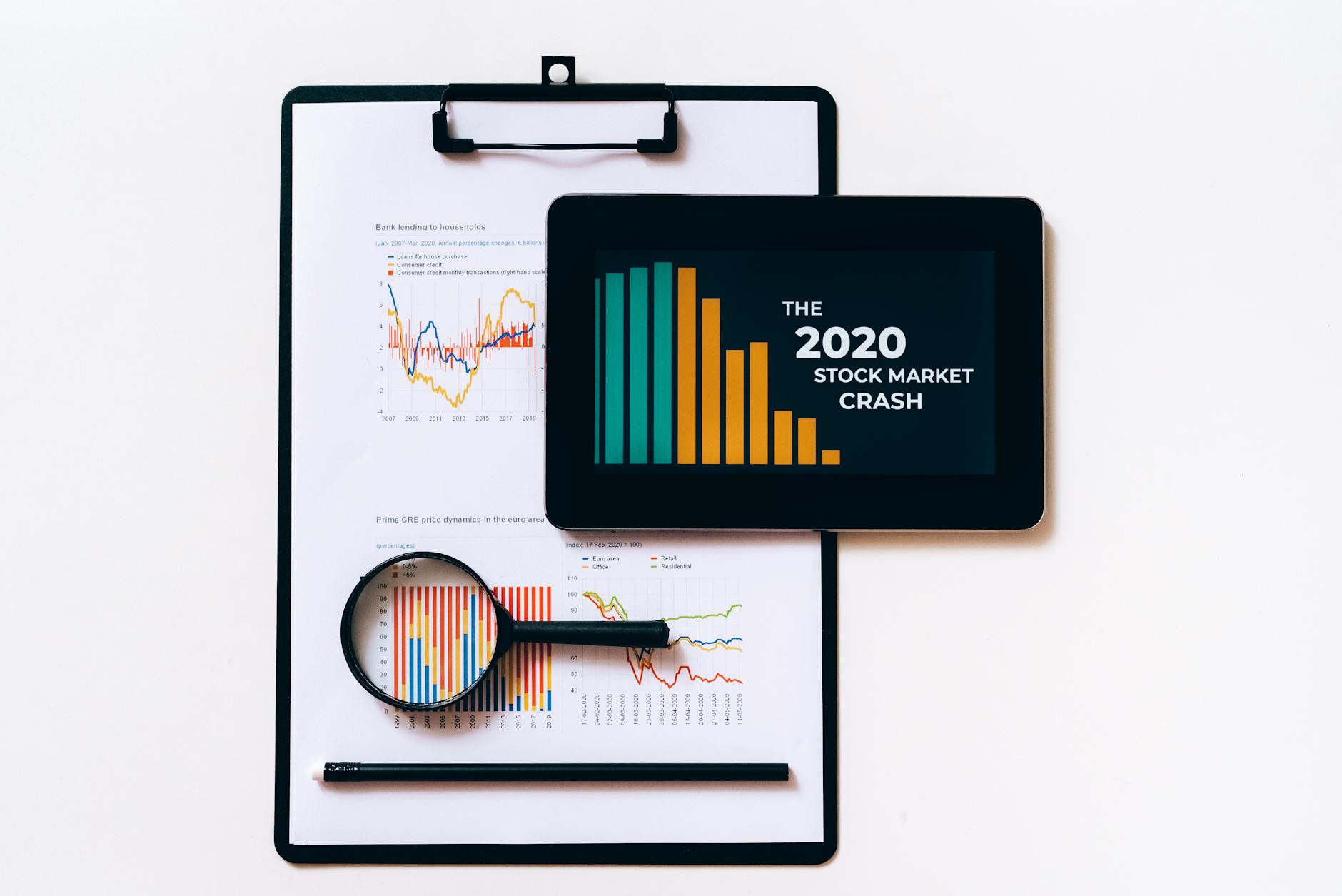
As I pen this article, the markets are on high alert, with US stock futures taking a sharp fall and oil prices surging in response to a volley of threats from the White House. It’s a volatile landscape that’s sending shockwaves through the investment community, and one that’s particularly pertinent to the United Kingdom given the country’s significant exposure to global trade. The latest escalation of tensions between the US and Iran has injected a sense of unease into markets, with investors scrambling to reassess their positions and navigate the choppy waters ahead.
What Is Happening
The sudden shift in sentiment has been triggered by a series of tweets from US President Donald Trump, in which he threatened to target Iranian cultural sites if Iran retaliated against American interests. The comments sparked a fierce backlash from world leaders, with the likes of Boris Johnson and Emmanuel Macron urging caution and restraint. But the damage was done, with markets sensing an increased risk of conflict and responding accordingly.
In terms of specific market action, US stock futures have fallen sharply, with the S&P 500 and Dow Jones indices tumbling 1.5% and 2% respectively in pre-market trading. The move has been driven by a combination of factors, including the heightened risk of conflict, concerns about the potential impact on global trade, and a flight to safety that’s seen investors pile into assets such as gold and bonds. Meanwhile, oil prices have surged, with Brent crude rising by 4% to $70 a barrel.
The market reaction has been swift and decisive, with investors across the board seeking to mitigate their exposure to the risks emanating from the US-Iran conflict. It’s a move that’s been mirrored in the United Kingdom, where markets have also been impacted by the growing tensions. The FTSE 100, which has historically been seen as a bellwether of global sentiment, has fallen by 1% in early trading, while the pound has slipped against the dollar.
Why It Matters
So, why should investors in the United Kingdom be paying such close attention to the latest developments in the US-Iran conflict? The answer lies in the country’s significant exposure to global trade, particularly in the energy and financial sectors. The United Kingdom is a major importer of oil and gas, and any disruption to global supplies could have a significant impact on the country’s balance of trade and economy. Furthermore, the banking and financial sectors are major players in the global economy, with a significant presence in the US market.
In terms of specific companies, the likes of BP and Shell are among the biggest losers in the FTSE 100, with their share prices falling sharply in response to the rising oil price. Other companies, including those in the aerospace and defence sectors, are also likely to be impacted by the growing tensions, particularly if the conflict were to escalate.

Key Drivers
So, what are the key drivers behind the market reaction to the US-Iran conflict? At its heart, the issue is one of risk and uncertainty, with investors seeking to mitigate their exposure to the potential risks emanating from the conflict. The heightened risk of conflict has triggered a flight to safety, with investors piling into assets such as gold and bonds. Meanwhile, the potential impact on global trade has seen investors take a more cautious approach, with a focus on reducing their exposure to the potential risks.
Another key driver has been the growing perception that the US is becoming increasingly isolated on the world stage. The decision to kill Iranian General Qasem Soleimani has been widely condemned, with many countries viewing it as a reckless and provocative act. The subsequent threats from Trump to target Iranian cultural sites have only added to the sense of unease, with many investors questioning the wisdom of the US approach.
Impact on United Kingdom
So, what does all this mean for the United Kingdom? In terms of specific market action, the FTSE 100 has fallen by 1% in early trading, while the pound has slipped against the dollar. The impact on individual companies will depend on their specific exposure to the global economy, with those in the energy and financial sectors likely to be among the biggest losers.
The growing tensions between the US and Iran also have implications for the United Kingdom’s investment landscape. With the country’s significant exposure to global trade, investors may be inclined to take a more cautious approach to investments, with a focus on reducing their exposure to the potential risks. This could see a shift towards safer assets, such as government bonds and gold, as well as a greater focus on local and regional investments.

Expert Outlook
I spoke to several experts in the field to gain a better understanding of the market reaction and its implications for the United Kingdom. Dr. John Taylor, an economist at the University of Oxford, noted that the market reaction was a predictable one, given the heightened risk of conflict and the potential impact on global trade. “Investors are seeking to mitigate their exposure to the risks emanating from the US-Iran conflict,” he said. “This has seen a flight to safety, with investors piling into assets such as gold and bonds.”
Meanwhile, Alex Scott, a portfolio manager at a leading investment firm, noted that the growing tensions between the US and Iran have significant implications for the investment landscape. “The US is becoming increasingly isolated on the world stage,” he said. “This has significant implications for investors, who are seeking to reduce their exposure to the potential risks. We are advising clients to take a more cautious approach, with a focus on safer assets and local and regional investments.”
What to Watch
As the situation continues to unfold, there are several key factors that investors in the United Kingdom will be watching closely. The most immediate concern will be the potential escalation of the conflict, with a focus on any signs of increased military activity or diplomatic efforts to resolve the crisis. The impact on global trade will also be critical, with a focus on any signs of disruption to oil and gas supplies.
In the longer term, investors will be watching for signs of increased isolationism on the part of the US, as well as any moves to reduce global trade tensions. The implications for the investment landscape will depend on how these factors play out, with a focus on safer assets and local and regional investments becoming increasingly popular.
One thing is clear: the market reaction to the US-Iran conflict is a reminder of the significant risks and uncertainties that investors face in today’s world. By understanding these risks and taking a cautious approach, investors can navigate the choppy waters ahead and emerge stronger and more resilient.