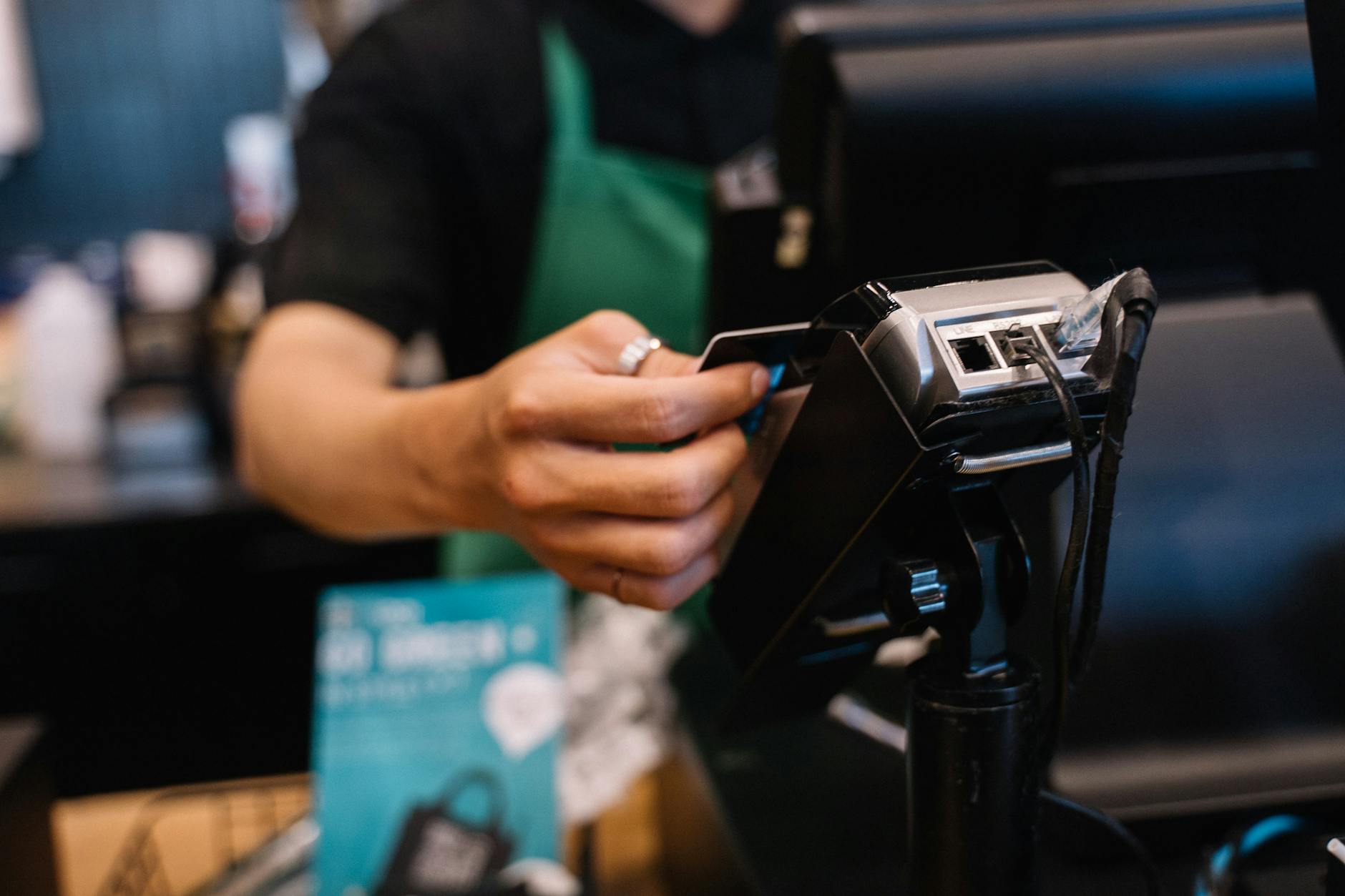
As consumers increasingly turn to the comfort of their own homes to shop, retailers in the United States are scrambling to adapt to this new normal. Store credit cards, once a staple of brick and mortar shopping, have seen a resurgence in popularity thanks to the shift to online retail. But for those unfamiliar with these types of cards, what exactly are they, and when do they make sense to use? In this article, we’ll delve into the world of store credit cards, exploring their benefits and drawbacks, as well as the current market trends that are driving their adoption.
What Is Happening
Store credit cards are a type of credit card issued by a retailer, allowing consumers to make purchases and earn rewards on goods and services from that specific store. Unlike traditional credit cards, which can be used at a wide range of merchants, store credit cards are typically limited to the issuing retailer. This can be a double-edged sword: while the rewards may be more lucrative for frequent shoppers at a particular store, it can also limit the card’s versatility.
Some of the most well-known store credit cards in the United States include the Target RedCard, Walmart Credit Card, and Kohl’s Credit Card. These cards often offer a range of benefits, including:
Exclusive discounts and promotions Cashback rewards on purchases Early access to sales and special events Special financing options
For example, the Target RedCard offers 5% cashback on all purchases, both online and in-store, as well as free shipping on orders over $35. The Kohl’s Credit Card, on the other hand, offers a 10% discount on the first purchase made with the card, as well as a 5% cashback reward on purchases made within the first year.
Why It Matters
So why are store credit cards suddenly becoming so popular? There are a few key reasons:
Shift to online shopping: As consumers increasingly turn to online retail, store credit cards are becoming a key way for retailers to stay competitive. By offering exclusive rewards and discounts, retailers can incentivize customers to shop at their online stores. Increased competition: The rise of online marketplaces like Amazon has led to increased competition among retailers. Store credit cards can help retailers differentiate themselves and attract loyal customers. * Data collection: Store credit cards often come with a range of data collection benefits for retailers, including information on purchasing habits and demographic data. This can be incredibly valuable for retailers looking to tailor their marketing efforts and improve customer engagement.

Key Drivers
So what’s driving the adoption of store credit cards? There are a few key factors at play:
Targeted marketing: Retailers are increasingly using data and analytics to target their marketing efforts and reach specific demographics. Store credit cards can help retailers tap into this data and develop more effective marketing campaigns. Increased rewards: Store credit cards are often offering more generous rewards and discounts than traditional credit cards. This can be a major draw for consumers looking to maximize their savings. * Exclusive experiences: Some store credit cards offer exclusive experiences and perks, such as early access to new products or special events. This can be a major draw for loyal customers.
Impact on United States
The impact of store credit cards on the United States economy is multifaceted. On the one hand, store credit cards can help retailers stay competitive and attract loyal customers. On the other hand, they can also contribute to increased debt and overspending among consumers.
According to a recent study by CreditCard.com, the average American household has over $6,000 in credit card debt, with many households carrying balances on multiple credit cards. The proliferation of store credit cards can exacerbate this problem, particularly for those who are not able to pay their balances in full each month.
However, store credit cards can also have a positive impact on the economy. By incentivizing consumers to shop at specific retailers, store credit cards can help drive sales and growth for those businesses. This can have a ripple effect throughout the economy, leading to job creation and increased economic activity.

Expert Outlook
We spoke with several experts in the field to get their take on the rise of store credit cards. Mark Huffman, a personal finance expert at CreditCard.com, notes that “store credit cards can be a great way for consumers to save money and earn rewards, but they can also be a major source of debt. It’s essential for consumers to read the fine print and understand the terms and conditions before applying for a store credit card.”
David Bach, a financial expert and author, agrees, noting that “store credit cards are a key part of the retail ecosystem. They can help retailers stay competitive and attract loyal customers, but they can also contribute to increased debt and overspending among consumers. It’s essential for retailers to strike a balance between offering rewards and incentives, and helping consumers avoid debt and financial trouble.”
What to Watch
As the landscape of store credit cards continues to evolve, there are several key trends to watch:
Increased competition: As more retailers offer store credit cards, competition is expected to increase. This could lead to more aggressive marketing and promotional efforts, as well as higher rewards and discounts. Integration with digital wallets: Store credit cards are increasingly being integrated with digital wallets like Apple Pay and Google Pay. This could make it easier for consumers to use store credit cards and earn rewards, while also allowing retailers to track customer behavior and preferences. * Greater emphasis on data collection: As retailers continue to collect and analyze data on customer behavior and preferences, store credit cards could become even more targeted and effective. This could lead to increased rewards and discounts for loyal customers, as well as more effective marketing efforts from retailers.