
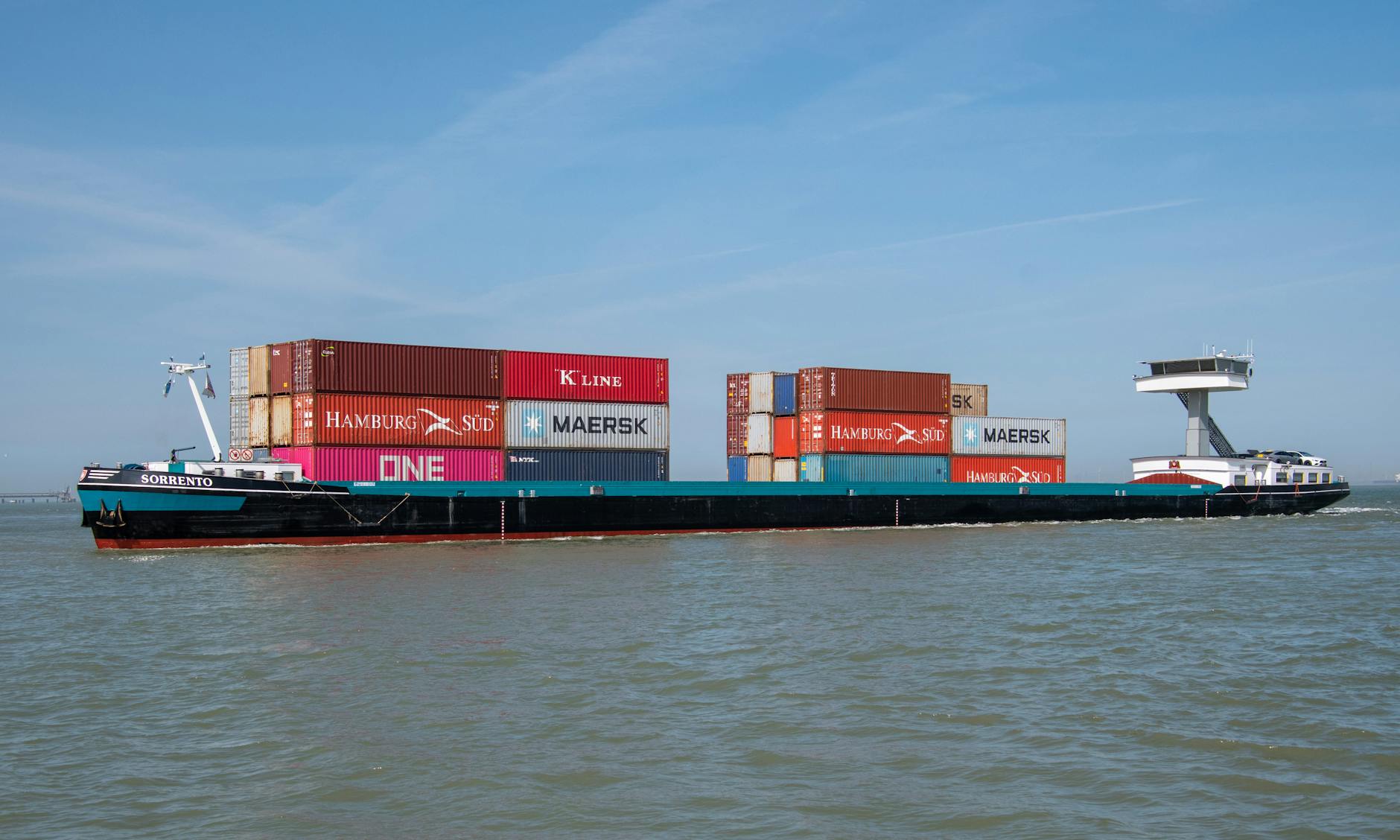
Freight market volatility has long been a source of concern for investors, but recent trends suggest a disturbing return to Covid-era extremes. For those who lived through the pandemic’s economic upheaval, the memories of skyrocketing shipping costs, congested ports, and supply chain disruptions are still fresh. Now, Australia is facing a freight market landscape that bears striking resemblance to those turbulent times, with implications for investors, businesses, and the broader economy.
What Is Happening
The resurgence of Covid-era freight market extremes is a complex phenomenon with multiple factors at play. At its core, the issue is a classic case of supply and demand imbalance. As the global economy recovered from the pandemic-induced slump, demand for shipping and logistics services surged, fueled by a rebound in international trade. However, the industry’s capacity to meet this increased demand has been hindered by a perfect storm of challenges.
Firstly, the pandemic has left a lasting impact on the global workforce, with many ports and logistics hubs struggling to find sufficient labor to meet the demands of a burgeoning shipping market. This labor shortage has resulted in delayed shipments, increased costs, and reduced efficiency, ultimately leading to a rise in freight rates. According to the latest data, average freight rates have increased by over 20% in the past year alone, with some routes experiencing even more dramatic price hikes.
Another contributing factor is the ongoing conflict between Ukraine and Russia, which has significantly disrupted global shipping lanes. The conflict has led to a shortage of container shipping capacity, particularly from major European ports, further exacerbating the already strained logistics network. As a result, businesses and consumers are feeling the pinch of higher shipping costs, with many struggling to adjust to the new reality.
Why It Matters
The return of Covid-era freight market extremes is having far-reaching consequences for investors, businesses, and the broader economy. For investors, the implications are profound. The sharp increases in shipping costs and delays are leading to higher costs of goods, which can erode profit margins and negatively impact stock prices. Moreover, the increased volatility in the freight market is making it more challenging for businesses to predict their costs, leading to a more uncertain investment climate.
For Australian businesses, the impact is particularly significant. As one of the country’s largest trading partners, China, continues to drive demand for Australian exports, the freight market volatility is threatening to undermine the country’s economic recovery. Australia’s agricultural sector, which accounts for a significant portion of the country’s exports, is particularly vulnerable to the rising freight costs and supply chain disruptions.

Key Drivers
Several key drivers are contributing to the resurgence of Covid-era freight market extremes. Firstly, the ongoing pandemic has created a permanent shift in consumer behavior, with many opting for online shopping and express delivery. This has increased demand for shipping and logistics services, placing a strain on the already limited capacity of the industry.
Secondly, the rapid growth of e-commerce has led to a surge in demand for specialized logistics services, such as cold chain transportation and same-day delivery. This increased demand has resulted in a shortage of specialized vehicles and equipment, further exacerbating the already strained logistics network.
Finally, the increasing complexity of global supply chains has led to a rise in the number of small, independent logistics providers. While these providers may offer lower costs and more flexible services, their lack of economies of scale and limited resources can make them less resilient in the face of unexpected disruptions.
Impact on Australia
The impact of the freight market resurgence on Australia is multifaceted. For businesses that rely on international trade, the increased shipping costs and supply chain disruptions are leading to higher costs of goods and reduced profit margins. According to data from the Australian Bureau of Statistics, the country’s trade deficit has widened significantly in recent months, with the value of exports declining by 5.5% in the past year alone.
For consumers, the impact is also significant. As businesses struggle to absorb the higher costs of goods, many are being passed on to consumers through higher prices. According to a recent survey, 70% of Australian consumers report paying more for goods and services due to the rising freight costs.

Expert Outlook
Experts are warning that the return of Covid-era freight market extremes is a permanent shift, rather than a blip on the radar. According to a recent report by the International Chamber of Shipping, the industry is facing a “new normal” of higher freight rates and more volatile supply chains. The report notes that the industry must adapt to these changes by investing in digital technologies and improving its resilience.
For investors, this means taking a more cautious approach to the industry. As one expert notes, “Investors need to be prepared for a more volatile freight market, with higher risks and rewards.” This may involve diversifying portfolios, reducing exposure to high-risk assets, and investing in companies that are well-positioned to navigate the changing freight market landscape.
What to Watch
As the freight market continues to evolve, there are several key factors to watch. Firstly, the ongoing pandemic and its impact on global supply chains will remain a major concern. Any further disruptions to shipping lanes or ports will only exacerbate the existing shortage of capacity and lead to higher costs.
Secondly, the growing trend towards digitalization and automation in the logistics industry will be a key driver of change. As companies invest in digital technologies, such as artificial intelligence and blockchain, the industry will become more efficient, resilient, and adaptable to changing market conditions.
Finally, the impact of climate change on global supply chains will become increasingly significant. As extreme weather events become more frequent and severe, the industry will need to adapt to these changes by investing in more sustainable and resilient logistics networks.




