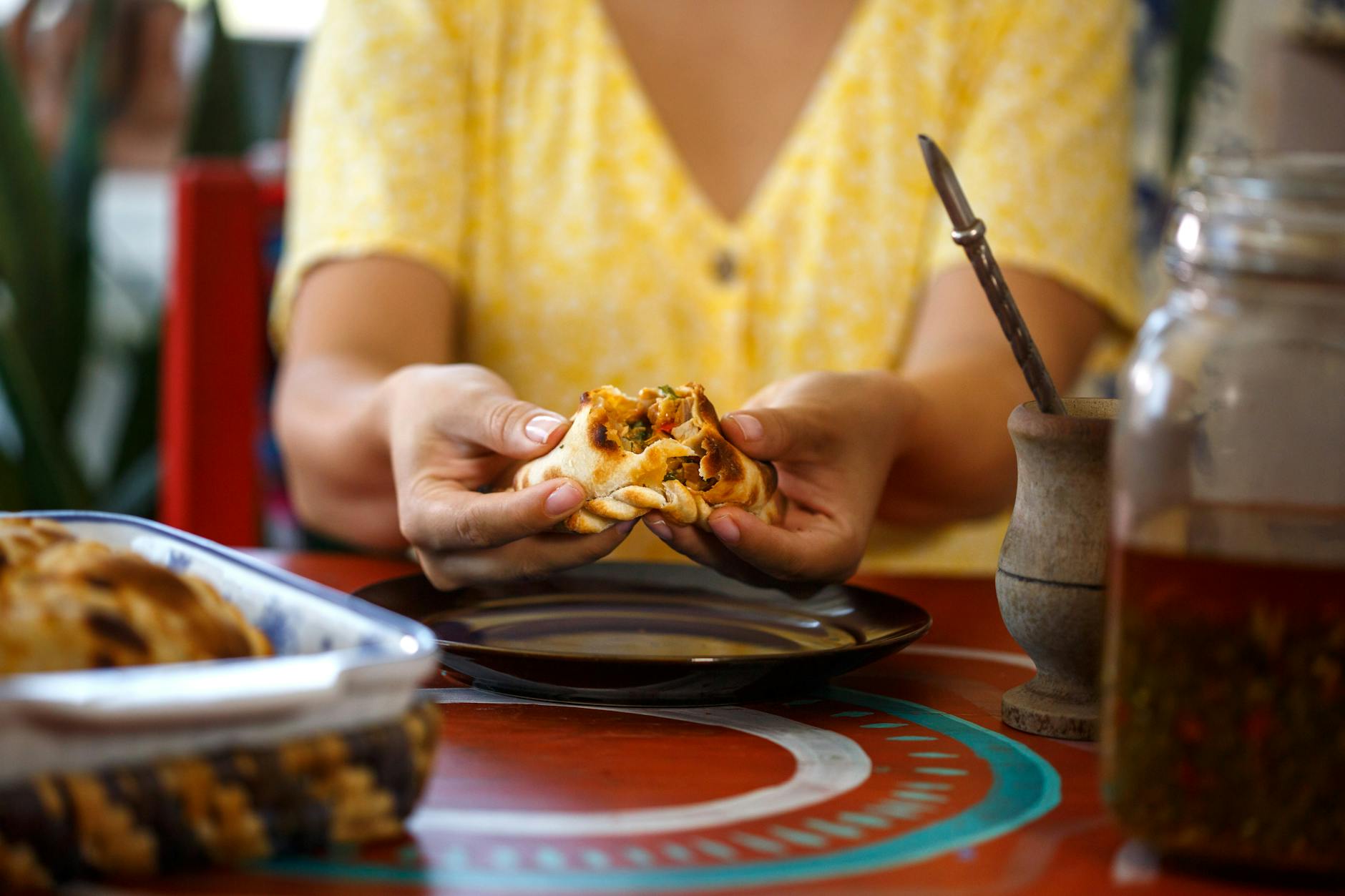
The Hispanic food industry is cooking up a storm in the United States, with a surge in demand for authentic, flavorful products that cater to the growing demographic of Hispanic Americans. At the forefront of this trend is Teasdale, a leading Hispanic foods firm that has now secured a new owner, easing the debt “burden” that had been weighing on its finances. This development has sparked widespread interest among industry insiders and investors, who see it as a major vote of confidence in the potential of the Hispanic food market. As Teasdale embarks on a new chapter under its new ownership, we take a closer look at what this means for the startup landscape in the United States.
What Is Happening
Teasdale, a prominent player in the Hispanic food space, has entered into a deal with a new owner, who will take a controlling stake in the company. The move comes as a welcome relief to Teasdale, which had been facing financial difficulties due to a significant debt burden. Industry insiders suggest that the new ownership structure will inject much-needed capital into the company, allowing it to scale up its operations and expand its product offerings. By doing so, Teasdale will be better positioned to capitalize on the growing demand for Hispanic foods in the United States, which is driven by the increasing popularity of Latin American cuisine.
The Hispanic food market in the United States is a rapidly growing segment, driven by the country’s diverse demographics. According to data from the Pew Research Center, the Hispanic population in the United States is projected to reach 111 million by 2060, accounting for nearly 28% of the total population. This demographic shift has created a huge market opportunity for companies that cater to the tastes and preferences of Hispanic Americans. Teasdale, with its extensive range of authentic Hispanic products, is well-positioned to capitalize on this trend.
The deal with the new owner marks a significant turning point for Teasdale, which had been struggling to stay afloat due to the debt burden. Industry insiders suggest that the new ownership structure will not only provide much-needed capital but also bring in fresh expertise and perspectives. “This deal is a game-changer for Teasdale,” says one industry expert. “With the new ownership, the company will have the resources and expertise to scale up its operations and expand its product offerings, which will help them better compete in the market.”
Why It Matters
The acquisition of Teasdale by the new owner is a significant development in the startup landscape in the United States. It highlights the growing interest among investors in the Hispanic food market, which is driven by the increasing demand for authentic, flavorful products. By injecting capital into Teasdale, the new owner is effectively betting on the potential of the Hispanic food market, which is expected to continue growing in the coming years.
The deal also underscores the importance of innovation and disruption in the startup world. Teasdale, with its extensive range of authentic Hispanic products, is a prime example of a company that has successfully disrupted the traditional food industry. By catering to the tastes and preferences of Hispanic Americans, the company has created a niche market that is rapidly gaining traction.
The acquisition of Teasdale by the new owner also sets a precedent for other startups in the Hispanic food space. It demonstrates that investors are willing to take a bet on companies that are innovating and disrupting the traditional food industry. This bodes well for other startups in the space, which are seeking to capitalize on the growing demand for Hispanic foods.

Key Drivers
The drivers behind the acquisition of Teasdale by the new owner are multifaceted. One key factor is the growing demand for Hispanic foods in the United States, which is driven by the increasing popularity of Latin American cuisine. The Hispanic population in the United States is projected to reach 111 million by 2060, accounting for nearly 28% of the total population. This demographic shift has created a huge market opportunity for companies that cater to the tastes and preferences of Hispanic Americans.
Another key driver is the increasing interest among investors in the Hispanic food market. Industry insiders suggest that investors are seeking to capitalize on the growing demand for authentic, flavorful products that cater to the tastes and preferences of Hispanic Americans. By investing in Teasdale, the new owner is effectively betting on the potential of the Hispanic food market, which is expected to continue growing in the coming years.
Impact on United States
The acquisition of Teasdale by the new owner is expected to have a significant impact on the startup landscape in the United States. By injecting capital into the company, the new owner will be able to scale up its operations and expand its product offerings, which will help Teasdale better compete in the market. This will have a ripple effect on the broader startup ecosystem, as other companies in the Hispanic food space seek to capitalize on the growing demand for authentic, flavorful products.
The deal also underscores the importance of innovation and disruption in the startup world. By catering to the tastes and preferences of Hispanic Americans, Teasdale has created a niche market that is rapidly gaining traction. This sets a precedent for other startups in the space, which are seeking to innovate and disrupt the traditional food industry.
In addition, the acquisition of Teasdale by the new owner highlights the growing importance of diversity and inclusion in the startup ecosystem. By catering to the tastes and preferences of Hispanic Americans, Teasdale has created a company that is deeply rooted in the Hispanic community. This demonstrates the importance of diversity and inclusion in the startup world, where companies are seeking to innovate and disrupt the traditional food industry.

Expert Outlook
Industry experts suggest that the acquisition of Teasdale by the new owner is a game-changer for the company. “This deal is a major vote of confidence in the potential of the Hispanic food market,” says one industry expert. “With the new ownership, Teasdale will have the resources and expertise to scale up its operations and expand its product offerings, which will help them better compete in the market.”
Another industry expert notes that the deal underscores the importance of innovation and disruption in the startup world. “Teasdale is a prime example of a company that has successfully disrupted the traditional food industry by catering to the tastes and preferences of Hispanic Americans,” says the expert. “This sets a precedent for other startups in the space, which are seeking to innovate and disrupt the traditional food industry.”
What to Watch
As Teasdale embarks on a new chapter under its new ownership, there are several key things to watch. One thing to watch is the company’s ability to scale up its operations and expand its product offerings. By doing so, Teasdale will be better positioned to capitalize on the growing demand for Hispanic foods in the United States.
Another thing to watch is the impact of the deal on the broader startup ecosystem. By investing in Teasdale, the new owner is effectively betting on the potential of the Hispanic food market, which is expected to continue growing in the coming years. This will have a ripple effect on other companies in the space, which are seeking to innovate and disrupt the traditional food industry.
Finally, industry insiders suggest that the deal sets a precedent for other startups in the Hispanic food space. By catering to the tastes and preferences of Hispanic Americans, Teasdale has created a niche market that is rapidly gaining traction. This demonstrates the importance of diversity and inclusion in the startup world, where companies are seeking to innovate and disrupt the traditional food industry.