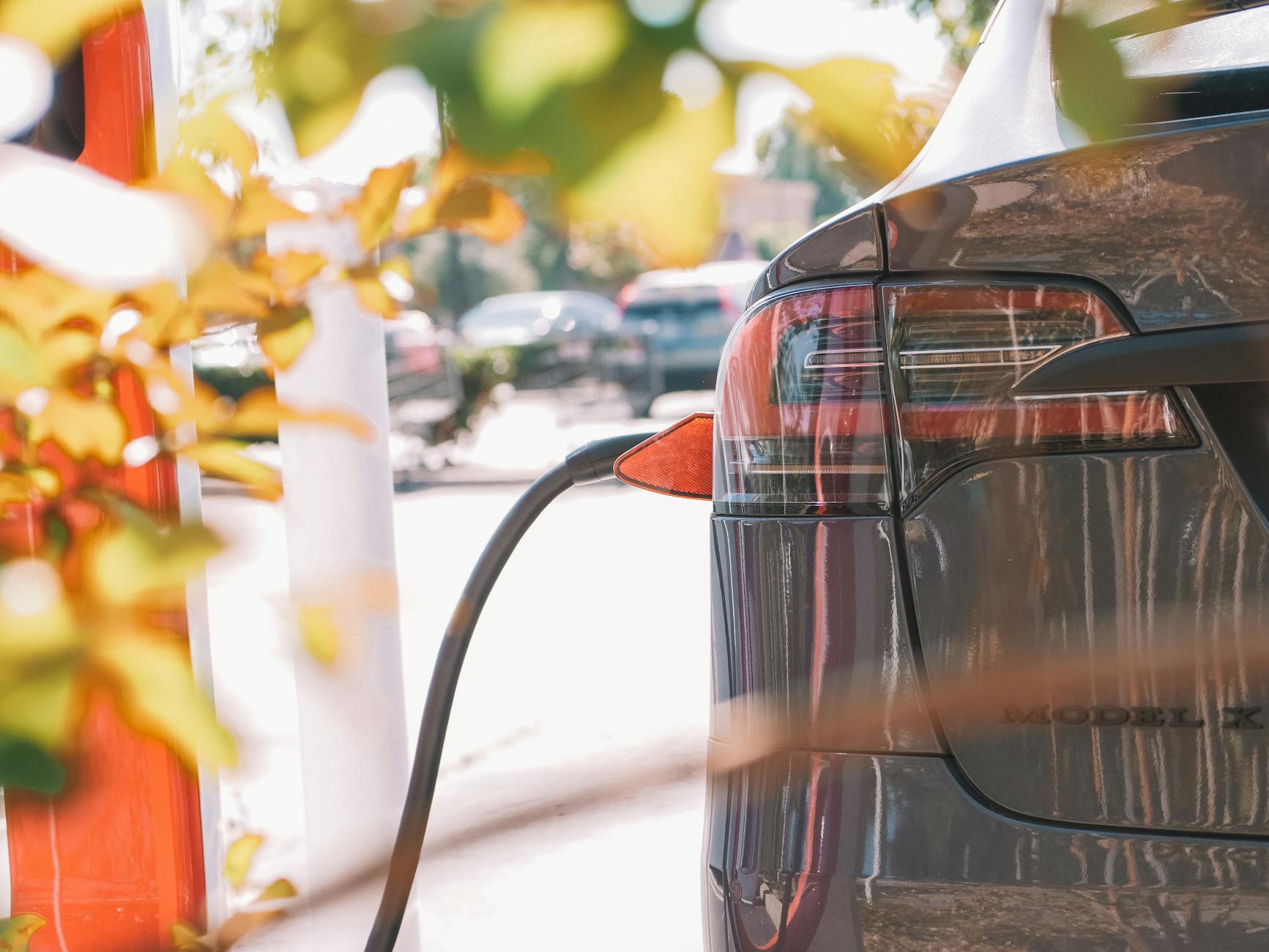
As the world grapples with the existential threat of climate change and air pollution, one industry has emerged as a beacon of hope: electric vehicles (EVs). The market for EVs is growing at an unprecedented pace, with startups like Rivian and Lucid Motors leading the charge. In a bid to capture the coveted spot as the next big player in the EV market, Rivian and Lucid are engaging in an epic battle of innovation, resources, and market share. But which of these two startups has the potential to dominate the EV market in the next decade? In this article, we’ll delve into the world of Rivian and Lucid, analyze their key drivers, and explore their potential impact on India’s startup ecosystem.
What Is Happening
Rivian and Lucid Motors have been making headlines for their impressive electric vehicles that promise to revolutionize the way we think about transportation. Rivian, founded in 2009, has already gained a significant following with its R1T pickup truck and R1S SUV, which boasts a range of up to 400 miles on a single charge. Lucid Motors, on the other hand, has been making waves with its Lucid Air, a luxury sedan that boasts an impressive range of up to 517 miles on a single charge. Both companies have received significant investments from major players in the industry, with Rivian raising a whopping $2.65 billion in funding and Lucid Motors securing a $700 million investment from Saudi Arabia’s Public Investment Fund.
One of the key factors that sets these two companies apart is their unique business models. Rivian has positioned itself as a luxury brand, offering high-end vehicles with advanced features and premium pricing. Lucid Motors, on the other hand, has taken a more aggressive approach, offering a base model that starts at just $80,000, making it more accessible to a wider range of consumers. This difference in strategy is reflective of their distinct target markets and business goals.
Why It Matters
The Rivian vs. Lucid battle has significant implications for the EV market and the startup ecosystem as a whole. With the global EV market expected to reach $1.2 trillion by 2027, the winner of this battle will not only gain a significant share of the market but also establish itself as a leader in the industry. This, in turn, will have a ripple effect on the startup ecosystem, encouraging more companies to invest in EV technology and innovation.
Moreover, the success of Rivian and Lucid will also have a significant impact on the Indian market. With the Indian government’s ambitious plan to electrify 30% of all vehicles by 2030, the demand for EVs is expected to skyrocket. Indian startups like Tata Motors, Mahindra & Mahindra, and Ola Electric will be looking to Rivian and Lucid as role models and benchmarks for their own EV ventures. The success of these companies will also attract more investments to the Indian EV market, further fueling growth and innovation.

Key Drivers
So, what drives the success of Rivian and Lucid? According to analysts, it’s their ability to innovate, disrupt, and adapt to changing market trends. Both companies have poured significant resources into research and development, investing heavily in advanced technologies like autonomous driving, battery management, and charging infrastructure. This focus on innovation has enabled them to stay ahead of the competition and maintain their market share.
Another key driver of their success is their brand identity. Rivian and Lucid have built strong brands that resonate with their target audiences. Rivian’s focus on adventure and exploration has resonated with outdoor enthusiasts and eco-conscious consumers, while Lucid’s emphasis on luxury and innovation has attracted high-end buyers. This strong brand identity has helped them differentiate themselves from competitors and establish a loyal customer base.
Impact on India
The Rivian vs. Lucid battle will have a significant impact on the Indian market, with far-reaching implications for startups, investors, and consumers alike. As mentioned earlier, the Indian government’s plan to electrify 30% of all vehicles by 2030 has created a massive demand for EVs. Indian startups like Tata Motors, Mahindra & Mahindra, and Ola Electric are already investing heavily in EV technology and innovation. The success of Rivian and Lucid will provide a boost to these companies, encouraging them to accelerate their own EV ventures and attract more investments to the Indian market.
Moreover, the Rivian vs. Lucid battle will also create new opportunities for Indian startups to collaborate with these companies. With Rivian and Lucid’s focus on innovation and disruption, they will be looking to partner with startups that can provide them with cutting-edge technologies and solutions. This will create a win-win situation for Indian startups, which will gain access to resources, expertise, and market share, while Rivian and Lucid will gain a foothold in the Indian market.

Expert Outlook
When asked about the Rivian vs. Lucid battle, industry experts were unanimous in their opinion: the winner will be the company that can adapt to changing market trends and maintain its innovation edge. “The EV market is rapidly evolving, and companies that are unable to innovate and disrupt will be left behind,” said Dr. Ravi Bhatia, a leading expert in EV technology. “Rivian and Lucid have already shown their commitment to innovation, but they need to stay ahead of the curve to remain competitive.”
Another expert, Dr. Saurabh Bagchi, a professor at IIT Delhi, echoed this sentiment. “The Indian market is already witnessing a surge in EV demand, and companies that can adapt to this trend will be the winners. Rivian and Lucid have the potential to disrupt the market, but they need to be mindful of the local market conditions and consumer preferences.”
What to Watch
As the Rivian vs. Lucid battle continues to unfold, there are several key factors to watch. Firstly, the impact of the Indian government’s plan to electrify 30% of all vehicles by 2030 will be a major factor in determining the success of these companies. Secondly, the ability of Rivian and Lucid to innovate and disrupt will be crucial in maintaining their market share. Finally, the collaboration between these companies and Indian startups will be a key factor in determining the future of the EV market.
In conclusion, the Rivian vs. Lucid battle is a defining moment for the EV market and the startup ecosystem as a whole. As the world watches with bated breath, one thing is certain: the winner will be the company that can adapt to changing market trends, maintain its innovation edge, and capture the coveted spot as the next big player in the EV market.