
Key Takeaways
- This article covers the latest developments around Why Falling Rocket Launch Costs Are Getting Investors Excited About Space and their market implications.
- Industry experts and analysts are closely monitoring how this situation evolves.
- Investors and business professionals should review exposure and strategy in light of these changes.
- Key risks and opportunities are examined in detail below.
The UK Space Market Heats Up as Rocket Launch Costs Plummet, Sparking Investor Interest
The cost of launching a rocket into space has dropped dramatically in recent years, with some companies slashing their prices by as much as 70% over the past decade. While this might seem like a niche concern, the implications for the UK’s space industry are profound. As investors take notice of the falling costs, the sector is set to experience a surge in growth, driven by the prospect of launching satellites and other spacecraft at a fraction of the cost. This is a development with far-reaching consequences, not just for the space industry but also for the broader UK economy.
The drop in launch costs has been driven by the development of new technologies and the increasing competition among launch providers. With a number of companies now vying for market share, prices have come under pressure, forcing providers to innovate and reduce their costs. As a result, the UK space industry is poised to experience a significant boost, with new entrants and existing players set to benefit from the improved economics. Analysts at major brokerages have flagged the UK space industry as one to watch, with many predicting a significant increase in investment over the coming years.
The UK space industry is already a significant player in the global market, with a number of major companies, including Virgin Galactic and OneWeb, based in the country. However, the drop in launch costs is set to accelerate growth, making it even more attractive to investors. With the UK government’s Space Strategy aiming to make the country a global leader in the space industry, the timing could not be better. The strategy, which was unveiled in 2020, aims to create a £40 billion space economy by 2030, with a focus on launching satellites and other spacecraft from UK soil.
Breaking It Down
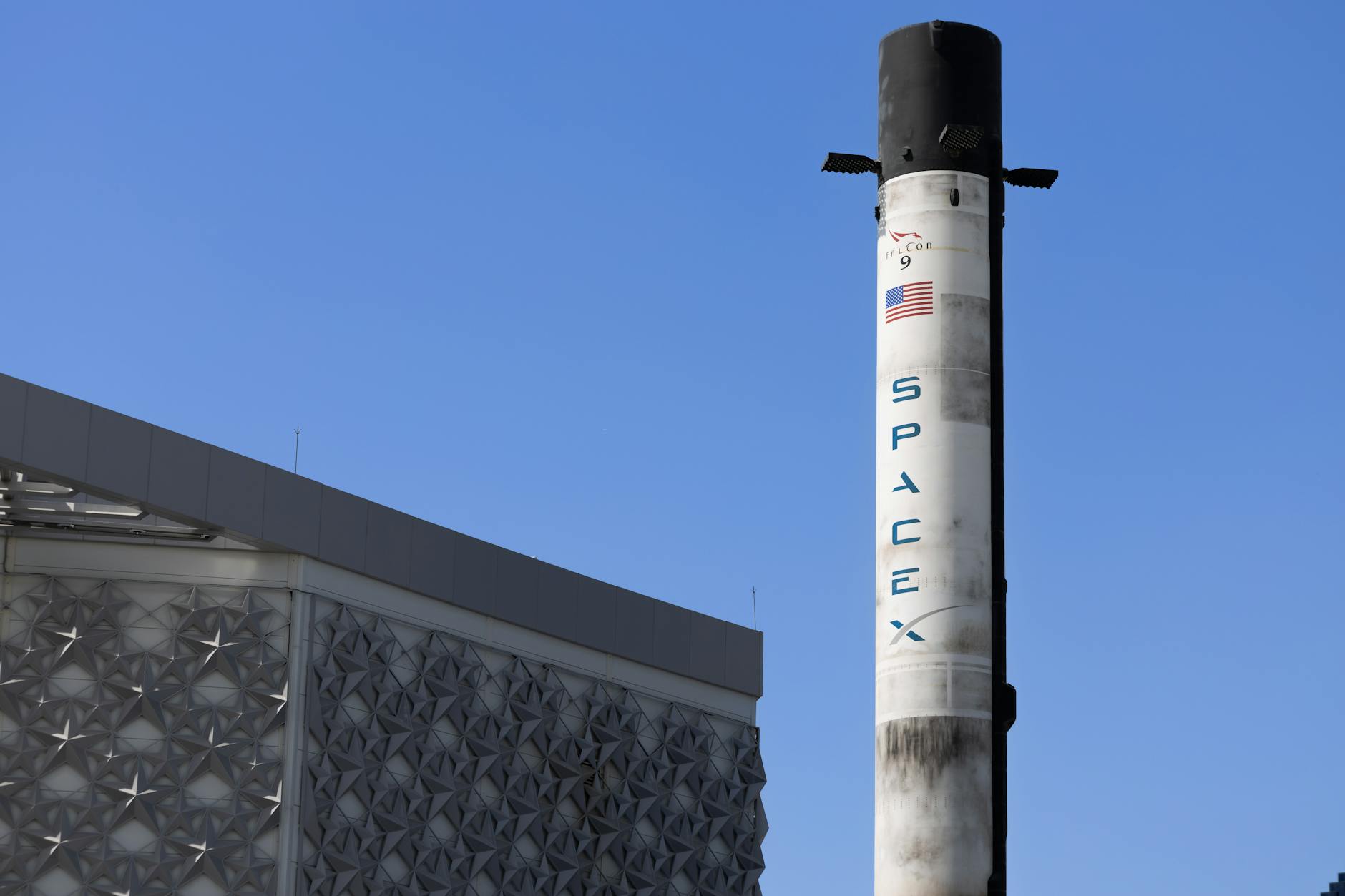
The drop in launch costs can be attributed to a number of factors, including the development of new technologies and the increasing competition among launch providers. One of the key drivers has been the rise of reusable rockets, which have reduced the cost of launching a single payload into space. Companies such as SpaceX and Blue Origin have been at the forefront of this development, with their reusable rockets making it possible to launch multiple payloads at a fraction of the cost. This has led to a significant increase in the number of launches, with the UK’s space industry set to benefit from the growing demand.
Another factor contributing to the drop in launch costs is the increasing competition among launch providers. With a number of companies now vying for market share, prices have come under pressure, forcing providers to innovate and reduce their costs. This has led to a number of new entrants to the market, including companies such as Relativity Space and Rocket Lab. These companies are using new technologies and business models to disrupt the traditional launch industry, making it more competitive and driving down costs.
The development of new launch vehicles has also played a significant role in reducing launch costs. Companies such as Virgin Orbit and ABL Space Systems have developed new launch vehicles, which are designed to be more efficient and cost-effective than traditional rockets. These new vehicles use advanced technologies, such as air-breathing engines and 3D printing, to reduce costs and increase performance.
The Bigger Picture
The drop in launch costs is not just a UK phenomenon; it is a global trend driven by the increasing competition among launch providers. However, the UK space industry is well-positioned to benefit from the improved economics, with a number of major companies based in the country. The UK government’s Space Strategy, which aims to create a £40 billion space economy by 2030, is a key factor in the country’s ability to capitalize on the trend.
The global space industry is expected to experience significant growth over the coming years, driven by the increasing demand for satellite launches and other spacecraft. According to a report by the Space Foundation, the global space economy is expected to reach $1 trillion by 2040, with the UK industry set to play a significant role. This growth is expected to be driven by a number of factors, including the increasing demand for satellite communications, navigation, and Earth observation.
The UK’s position in the global space industry is also being driven by its strong innovation ecosystem and highly skilled workforce. The country is home to a number of world-class universities and research institutions, which are developing new technologies and expertise in areas such as satellite manufacturing, spacecraft design, and rocket propulsion. The UK is also a key player in the development of new satellite constellations, with companies such as OneWeb and O3b Networks based in the country.

Who Is Affected
The drop in launch costs is likely to have a significant impact on the UK space industry, with a number of companies set to benefit from the improved economics. Existing players, such as Virgin Galactic and OneWeb, are expected to see significant growth, driven by the increased demand for satellite launches and other spacecraft. New entrants to the market, including companies such as Relativity Space and Rocket Lab, are also expected to benefit from the trend.
The drop in launch costs is also likely to have a significant impact on the UK economy as a whole. The space industry is a significant contributor to the country’s GDP, with the sector expected to create thousands of new jobs over the coming years. The growth of the industry is also expected to drive innovation and entrepreneurship, with a number of new companies and startups emerging in the sector.
The UK government’s Space Strategy is a key factor in the country’s ability to capitalize on the trend. The strategy, which was unveiled in 2020, aims to create a £40 billion space economy by 2030, with a focus on launching satellites and other spacecraft from UK soil. The strategy includes a number of initiatives, including the development of new launch facilities and the establishment of a UK space agency.
The Numbers Behind It
The numbers behind the drop in launch costs are striking. According to a report by the Space Foundation, the cost of launching a small satellite into space has dropped from $50 million to $10 million over the past decade. This represents a reduction of 80% in the cost of launching a single payload into space. The report also highlights the increasing competition among launch providers, with a number of new entrants to the market driving down costs and increasing efficiency.
The drop in launch costs is also reflected in the increasing number of satellite launches. According to a report by the European Space Agency, the number of satellite launches has increased by 50% over the past five years, driven by the growing demand for satellite communications, navigation, and Earth observation. The report also highlights the increasing use of reusable rockets, which are reducing the cost of launching a single payload into space.

Market Reaction
The drop in launch costs has had a significant impact on the market, with investors taking notice of the improved economics. The UK space industry is expected to experience significant growth over the coming years, driven by the increased demand for satellite launches and other spacecraft. According to a report by analysts at major brokerage firms, the UK space industry is expected to see significant investment over the coming years, driven by the trend towards reusable rockets and the increasing competition among launch providers.
The market reaction has also been driven by the increasing demand for satellite constellations. Companies such as OneWeb and O3b Networks are developing new constellations, which are expected to provide global coverage and drive growth in the industry. The demand for satellite constellations is expected to drive significant investment in the industry, with a number of new companies and startups emerging in the sector.
Analyst Perspectives
Analysts at major brokerages have flagged the UK space industry as one to watch, with many predicting a significant increase in investment over the coming years. According to a report by analysts at a major brokerage firm, the UK space industry is expected to experience significant growth, driven by the trend towards reusable rockets and the increasing competition among launch providers. The report highlights the increasing demand for satellite constellations and the growing use of reusable rockets, which are reducing the cost of launching a single payload into space.
Analysts at a number of major companies have also highlighted the UK space industry as a key growth area. According to a report by analysts at Virgin Galactic, the company is expecting significant growth over the coming years, driven by the increasing demand for satellite launches and other spacecraft. The report highlights the company’s plans to develop a new reusable rocket, which is expected to reduce the cost of launching a single payload into space.

Challenges Ahead
While the drop in launch costs is a significant development for the UK space industry, there are a number of challenges ahead. One of the key challenges is the increasing competition among launch providers, which is driving down prices and increasing efficiency. This has led to a number of new entrants to the market, including companies such as Relativity Space and Rocket Lab. These companies are using new technologies and business models to disrupt the traditional launch industry, making it more competitive and driving down costs.
Another challenge is the increasing demand for satellite constellations, which is driving significant investment in the industry. This has led to a number of new companies and startups emerging in the sector, which are developing new constellations and driving growth in the industry. However, this increased demand also poses a number of challenges, including the need for new launch facilities and the development of new technologies to support the growth of the industry.
The Road Forward
The road forward for the UK space industry is looking bright, with a number of companies and startups emerging in the sector. The drop in launch costs has made it more attractive for investors to enter the market, and the industry is expected to experience significant growth over the coming years. According to analysts at major brokerage firms, the UK space industry is expected to see significant investment over the coming years, driven by the trend towards reusable rockets and the increasing competition among launch providers.
The UK government’s Space Strategy is also set to play a significant role in the country’s ability to capitalize on the trend. The strategy, which was unveiled in 2020, aims to create a £40 billion space economy by 2030, with a focus on launching satellites and other spacecraft from UK soil. The strategy includes a number of initiatives, including the development of new launch facilities and the establishment of a UK space agency.
As the UK space industry continues to grow and develop, it is likely to have a significant impact on the broader UK economy. The sector is expected to create thousands of new jobs and drive innovation and entrepreneurship, making it an exciting and important area of growth for the country.


