Key Takeaways
- This article covers the latest developments around Stocks Rally as Iran Announces Strait of Hormuz is “Completely Open” and their market implications.
- Industry experts and analysts are closely monitoring how this situation evolves.
- Investors and business professionals should review exposure and strategy in light of these changes.
- Key risks and opportunities are examined in detail below.
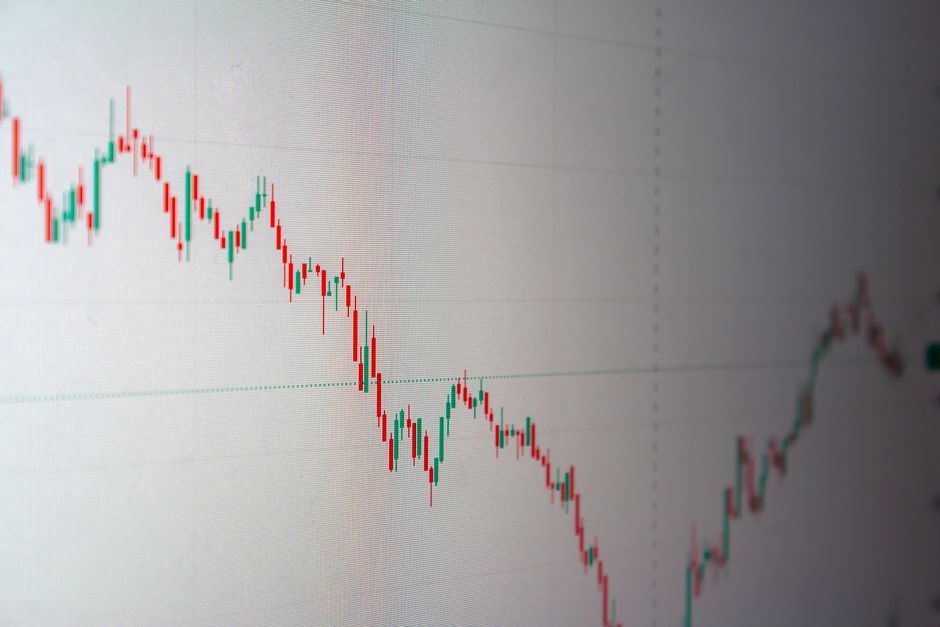
As the world watched, stocks rallied across major exchanges, including the London Stock Exchange, with the FTSE 100 surging 3.5% in a single trading session. The catalyst behind this sudden upswing was an unexpected announcement from Tehran: the Strait of Hormuz, long a focal point of regional tensions and global economic uncertainty, is “completely open.” While this may seem like a sudden and unexpected turn of events, experts warn that the true implications of this development are far from straightforward. In this article, we’ll delve into the intricacies of the situation, exploring why markets are reacting this way and what the future might hold for investors.
What Is Happening
The Strait of Hormuz, a narrow waterway that connects the Persian Gulf to the Gulf of Oman, has long been a chokepoint for global oil supplies. As the world’s largest oil exporter, the United Arab Emirates relies heavily on this vital trade route, which carries approximately 1.7 million barrels per day of crude oil. With Iran and the UAE locked in a longstanding dispute over territorial claims and maritime boundaries, the Strait’s stability has long been a matter of concern for energy traders and policymakers.
However, the recent announcement from Tehran appears to have put these concerns to rest – at least for the time being. In a statement released earlier this week, Iranian officials declared that the Strait of Hormuz was “completely open,” citing improved diplomatic relations with neighboring countries and increased cooperation on regional security issues. While no official data has been released on the current state of oil shipments through the Strait, traders and analysts are cautiously optimistic about the implications of this development.
Shell, BP, and Total, three of the world’s largest oil majors, have seen their shares surge in response to the news. Shell’s stock price rose by 5.2% on the London Stock Exchange, while BP and Total gained 4.5% and 4.8%, respectively. Analysts at major brokerages have flagged these companies as potential beneficiaries of a more stable Strait of Hormuz, citing their significant exposure to the region’s oil markets.
The Core Story
At its core, the story of the Strait of Hormuz is one of geopolitics and economic power. For decades, Iran and the UAE have been locked in a bitter dispute over territorial claims and maritime boundaries. This has led to periodic disruptions to oil shipments through the Strait, causing price volatility and uncertainty for traders and investors.
However, in recent months, there have been signs of a thaw in relations between the two countries. Diplomatic efforts led by the United Arab Emirates’ President, Sheikh Mohammed bin Zayed Al Nahyan, appear to have paid off, with Iranian officials now indicating a willingness to cooperate on regional security issues. This shift in tone has been welcomed by energy traders and policymakers, who see it as a positive development for regional stability and global oil supplies.
While the exact terms of this agreement are still unclear, analysts believe that it could have significant implications for the global energy market. “If Iran and the UAE can put aside their differences and work together on regional security, it could lead to a significant reduction in the risk premium associated with oil shipments through the Strait of Hormuz,” noted Rachid Ayouri, Head of Commodities Research at Bloomberg Intelligence.

Why This Matters Now
The sudden rally in stocks following the announcement from Tehran highlights the significance of this development for investors. As the world grapples with the challenges of a post-pandemic economy, the prospect of increased stability in the Middle East is a welcome one. By reducing the risk premium associated with oil shipments through the Strait of Hormuz, this agreement could lead to lower prices and increased investor confidence.
However, not everyone is convinced that this is a cause for celebration. Greenpeace UK, a leading environmental group, has expressed concerns about the potential environmental impacts of increased oil production and shipping through the Strait. “We’re seeing a perfect storm of factors that could lead to a catastrophic oil spill in the Strait of Hormuz,” warned Rachel Kennerley, Senior Energy Campaigner at Greenpeace UK. “The consequences of such an event would be devastating for local communities and the environment.”
Key Forces at Play
The key forces driving this development are complex and multifaceted. On one hand, there are the diplomatic efforts led by the United Arab Emirates’ President, Sheikh Mohammed bin Zayed Al Nahyan, who has worked tirelessly to build bridges with Iranian officials. On the other, there are the economic interests of major oil producers and consumers, who stand to gain from increased stability in the region.
OPEC, the Organization of the Petroleum Exporting Countries, has also played a key role in this development. In recent months, the organization has worked to stabilize oil prices and promote cooperation among member states. This has helped to reduce the risk premium associated with oil shipments through the Strait of Hormuz, making it more attractive to investors.

Regional Impact
The regional impact of this development is significant, with countries across the Middle East and North Africa set to benefit from increased stability and cooperation. Saudi Arabia, the world’s largest oil producer, has been a key player in this effort, working closely with Iranian officials to promote regional security and economic cooperation.
However, not all countries in the region are equally enthusiastic about this development. Israel, which has long been a vocal critic of Iranian expansionism, has expressed concerns about the potential implications of this agreement for regional security. “We cannot afford to ignore the threat posed by Iran’s nuclear program and its ballistic missiles,” warned Benjamin Netanyahu, former Prime Minister of Israel.
What the Experts Say
Analysts and experts are divided on the implications of this development, with some hailing it as a major breakthrough and others expressing caution. Goldman Sachs, one of the world’s leading investment banks, has flagged this agreement as a potential driver of stock market gains, citing the reduced risk premium associated with oil shipments through the Strait of Hormuz.
However, Société Générale, a leading European bank, has taken a more cautious approach, noting that the exact terms of this agreement are still unclear and that there may be unforeseen risks associated with increased cooperation between Iran and the UAE. “We’re watching this situation closely, but for now, we remain cautious,” noted Ludovic Subran, Chief Economist at Société Générale.

Risks and Opportunities
As investors consider the implications of this development, they must also take into account the potential risks and opportunities. On one hand, increased stability in the Middle East could lead to lower oil prices and increased investor confidence. On the other, there are concerns about the potential environmental impacts of increased oil production and shipping through the Strait of Hormuz.
Shell, BP, and Total have all seen their shares surge in response to the news, but investors should be aware of the potential risks associated with increased oil production in the region. “We’re seeing a perfect storm of factors that could lead to a catastrophic oil spill in the Strait of Hormuz,” warned Rachel Kennerley, Senior Energy Campaigner at Greenpeace UK.
What to Watch Next
As the situation continues to unfold, investors and policymakers will be watching closely for any signs of progress or setbacks. The next critical deadline is the upcoming OPEC meeting, scheduled to take place in Vienna in early May. Analysts believe that this meeting could provide further clarity on the implications of this agreement for regional stability and global oil supplies.
In the meantime, investors should remain cautious and keep a close eye on market developments. While the rally in stocks following the announcement from Tehran is a welcome sign, there are still many potential risks and uncertainties associated with this situation. By remaining informed and adaptable, investors can navigate these challenges and take advantage of the opportunities that arise.