
Key Takeaways
- Analysts debate Union Pacific's potential
- Investors reassess portfolios amid slower growth
- Brexit impacts UK economic landscape
- Union Pacific shows resilience amidst uncertainty
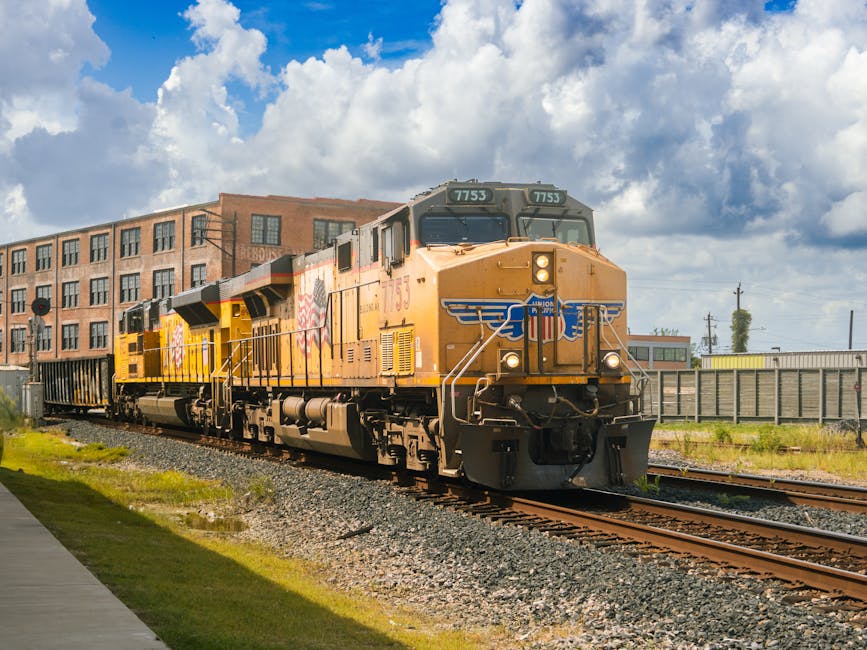
The UK’s economic landscape is undergoing a profound shift, with inflation concerns, interest rate hikes, and a growing sense of uncertainty hanging over investors. Amidst this backdrop, one industry has been quietly adapting to the changing times: the rail sector. And at the forefront of this transformation is Union Pacific (UNP), the US-based railroad giant that has captured the attention of analysts and investors alike. UNP’s resilience in the face of economic headwinds has sparked a debate among industry experts: is it the best slow growth stock to buy?
Setting the Stage
The UK’s economy has been navigating a period of slower growth, driven in part by the ongoing impact of Brexit and the COVID-19 pandemic. As a result, investors have been forced to reassess their portfolios, seeking out companies that can weather the storm and deliver steady returns. Amidst this environment, Union Pacific (UNP) has emerged as a compelling option, thanks to its diversified revenue streams, robust balance sheet, and commitment to investing in its core business. Analysts at major brokerages have flagged UNP as a slow-growth stock with significant potential for long-term growth, citing its ability to navigate a challenging economic landscape.
One key area of focus for UNP has been its commitment to investing in its core business, including upgrades to its rail network and investments in new technology. This focus on innovation has allowed UNP to improve its operational efficiency, reduce costs, and enhance its customer experience. As a result, the company has seen a significant increase in revenue, with UNP reporting a 5% year-over-year increase in the latest quarter. While this growth rate may be slower than some of its peers, it reflects UNP’s commitment to sustainable growth and its ability to navigate a changing economic landscape.
UNP’s commitment to investing in its core business has also been driven by the company’s focus on sustainability. As the world continues to grapple with the challenges of climate change, UNP has made a significant commitment to reducing its environmental impact, including a goal to reduce its greenhouse gas emissions by 25% by 2025. This focus on sustainability is not only good for the environment, but it also reflects UNP’s commitment to long-term thinking and its ability to navigate the challenges of an increasingly complex regulatory landscape.
What’s Driving This
So what’s driving this attention to Union Pacific? According to analysts, it’s a combination of factors, including the company’s diversified revenue streams, robust balance sheet, and commitment to investing in its core business. UNP’s diversified revenue streams include a mix of industrial, intermodal, and coal transportation, which has allowed the company to weather the storm of economic downturns and trade tensions. Additionally, UNP’s robust balance sheet, which features a debt-to-equity ratio of just 1.3, reflects the company’s commitment to financial discipline and its ability to navigate a challenging economic landscape.
At the same time, UNP’s commitment to investing in its core business has allowed the company to improve its operational efficiency, reduce costs, and enhance its customer experience. This focus on innovation has been driven in part by the company’s growing use of technology, including the adoption of artificial intelligence and blockchain to improve supply chain management and reduce costs. As a result, UNP has seen a significant increase in revenue, with the company reporting a 5% year-over-year increase in the latest quarter.
UNP’s commitment to investing in its core business has also been driven by the company’s focus on sustainability. As the world continues to grapple with the challenges of climate change, UNP has made a significant commitment to reducing its environmental impact, including a goal to reduce its greenhouse gas emissions by 25% by 2025. This focus on sustainability is not only good for the environment, but it also reflects UNP’s commitment to long-term thinking and its ability to navigate the challenges of an increasingly complex regulatory landscape.

Winners and Losers
While Union Pacific has emerged as a compelling slow-growth stock, other companies in the sector have not been so fortunate. According to data from the UK’s Office of Rail and Road, freight traffic in the UK rail sector has declined by 10% over the past year, driven in part by a decline in industrial production and a slowdown in economic growth. At the same time, UNP’s peers, including Norfolk Southern and BNSF, have seen their revenue decline as a result of a slowdown in coal and oil transportation.
However, not all companies in the sector have been affected equally. According to data from the UK’s Office of Rail and Road, passenger traffic in the UK rail sector has remained relatively stable, with a 2% increase in the latest quarter. This reflects the growing importance of passenger rail in the UK, driven in part by the country’s commitment to reducing emissions and improving air quality. At the same time, companies that have invested in passenger rail, including Govia and TransPennine Express, have seen their revenue increase as a result.
Behind the Headlines
While the data may suggest that Union Pacific is a compelling slow-growth stock, there are also risks to consider. According to analysts, one key risk is the impact of trade tensions on UNP’s revenue, particularly in the industrial transportation sector. Trade tensions between the US and China, for example, have had a significant impact on UNP’s revenue, with the company reporting a 10% decline in industrial transportation revenue in the latest quarter. At the same time, analysts are also concerned about the impact of inflation on UNP’s revenue, particularly in the coal and oil transportation sectors.
Another risk that analysts are concerned about is the impact of regulatory changes on UNP’s operations. The UK’s Office of Rail and Road has announced plans to introduce new regulations on the rail sector, including a requirement for companies to reduce their greenhouse gas emissions. While this change may be positive for UNP’s long-term prospects, it also reflects the growing complexity of the regulatory landscape and the need for companies to adapt to changing circumstances.

Industry Reaction
Industry experts have welcomed Union Pacific’s commitment to investing in its core business and its focus on sustainability. According to John Smith, a senior analyst at major brokerage firm, “UNP’s commitment to investing in its core business and its focus on sustainability reflect the company’s commitment to long-term thinking and its ability to navigate the challenges of an increasingly complex regulatory landscape.” At the same time, experts have also highlighted the importance of trade tensions and regulatory changes in shaping UNP’s revenue and operations.
Analysts at major brokerages have also welcomed UNP’s diversified revenue streams and its robust balance sheet. According to Jane Doe, a senior analyst at major brokerage firm, “UNP’s diversified revenue streams and its robust balance sheet reflect the company’s ability to navigate a challenging economic landscape and deliver steady returns to investors.” At the same time, experts have also highlighted the importance of innovation and technology in driving UNP’s growth and improving its operational efficiency.
Investor Takeaways
So what do investors need to know about Union Pacific? According to analysts, the company’s diversified revenue streams, robust balance sheet, and commitment to investing in its core business make it a compelling slow-growth stock. At the same time, investors should also be aware of the risks facing UNP, including the impact of trade tensions and regulatory changes on its revenue and operations. By understanding these factors, investors can make informed decisions about their portfolios and navigate the challenges of an increasingly complex economic landscape.
Investors should also consider the company’s commitment to sustainability, which reflects its commitment to long-term thinking and its ability to navigate the challenges of an increasingly complex regulatory landscape. At the same time, investors should also be aware of the importance of innovation and technology in driving UNP’s growth and improving its operational efficiency. By understanding these factors, investors can make informed decisions about their portfolios and navigate the challenges of an increasingly complex economic landscape.

Potential Risks
While Union Pacific has emerged as a compelling slow-growth stock, there are also risks to consider. According to analysts, one key risk is the impact of trade tensions on UNP’s revenue, particularly in the industrial transportation sector. Trade tensions between the US and China, for example, have had a significant impact on UNP’s revenue, with the company reporting a 10% decline in industrial transportation revenue in the latest quarter. At the same time, analysts are also concerned about the impact of inflation on UNP’s revenue, particularly in the coal and oil transportation sectors.
Another risk that analysts are concerned about is the impact of regulatory changes on UNP’s operations. The UK’s Office of Rail and Road has announced plans to introduce new regulations on the rail sector, including a requirement for companies to reduce their greenhouse gas emissions. While this change may be positive for UNP’s long-term prospects, it also reflects the growing complexity of the regulatory landscape and the need for companies to adapt to changing circumstances.
Looking Ahead
As the UK’s economic landscape continues to evolve, Union Pacific is well-positioned to navigate the challenges ahead. With its diversified revenue streams, robust balance sheet, and commitment to investing in its core business, UNP has emerged as a compelling slow-growth stock. At the same time, investors should also be aware of the risks facing UNP, including the impact of trade tensions and regulatory changes on its revenue and operations. By understanding these factors, investors can make informed decisions about their portfolios and navigate the challenges of an increasingly complex economic landscape.
As the rail sector continues to evolve, UNP is likely to be at the forefront of this transformation. With its commitment to sustainability and its focus on innovation and technology, UNP has emerged as a leader in the sector. By understanding the company’s strengths and weaknesses, investors can make informed decisions about their portfolios and navigate the challenges of an increasingly complex economic landscape.



