Key Takeaways
- Polaris, a drone manufacturing company, has seen its valuation triple in a matter of weeks.
- Skyknight, Polaris' flagship product, has gained traction among commercial clients for aerial data capture.
- Polaris' advanced navigation system and high-resolution cameras make it a go-to choice for businesses.
- Surveying and mapping firms are among the commercial clients using Polaris' Skyknight drones.
The Indian startup ecosystem has been abuzz with the recent surge in drone technology investments. Polaris, a company founded in 2015, has emerged at the forefront of this revolution. In a matter of weeks, the drone manufacturing company has seen its valuation triple, raising eyebrows in the investment community. What’s behind this sudden upswing, and what does it mean for the broader Indian market?
What Is Happening
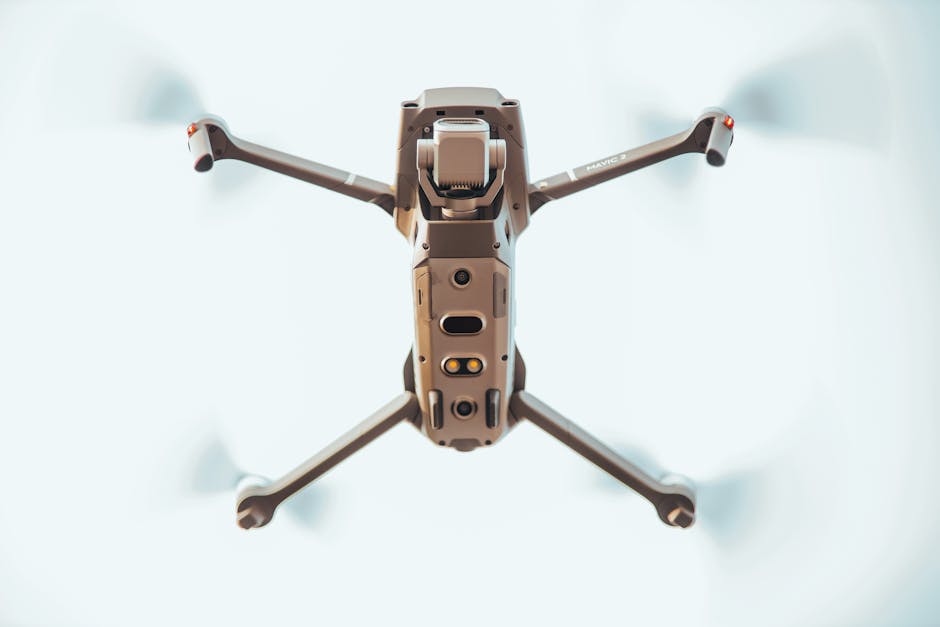
At its core, Polaris is a drone manufacturer that has been making waves in the Indian skies. The company’s flagship product, the ‘Skyknight,’ has gained traction among commercial clients, including surveying and mapping firms. With its advanced navigation system and high-resolution cameras, the Skyknight has become the go-to choice for businesses looking to capture aerial data efficiently. But what has contributed to Polaris’s sudden valuation spike is the company’s foray into the drone-as-a-service (DaaS) model.
Polaris has introduced a subscription-based service that offers drone maintenance, repair, and replacement, in addition to the Skyknight itself. This move has not only boosted the company’s revenue streams but has also provided a unique selling proposition to its clients. Analysts at major brokerages have flagged Polaris as a potential disruptor in the Indian drone market, citing the company’s innovative business model as a key factor in its success.
The DaaS model has been gaining traction globally, with companies like Airbus and DJI leading the charge. But Polaris’s entry into this space has resonated particularly well with Indian businesses, which are increasingly looking for streamlined solutions to their drone-based data needs. The company’s valuation has tripled in recent months, with investors betting big on its potential to become a market leader in the Indian drone sector.
The Core Story
Polaris’s journey to becoming a drone leader began in 2015, when its founders set out to create a drone that could capture high-resolution images and videos for commercial clients. Initially, the company focused on developing a high-end drone that could compete with international players like DJI. However, it soon became apparent that the Indian market had a different set of requirements, with clients preferring a more affordable and easy-to-use solution.
In response, Polaris introduced the Skyknight, a drone that offered advanced navigation and camera capabilities at a fraction of the cost of its international counterparts. The Skyknight quickly gained popularity among Indian businesses, which were looking for a reliable and cost-effective solution to their aerial data needs. As the company’s sales grew, Polaris began to expand its product line, introducing a range of drones designed for specialized applications like surveying, agriculture, and infrastructure inspection.
But it was the DaaS model that truly catapulted Polaris to the forefront of the Indian drone market. By offering a subscription-based service that included drone maintenance, repair, and replacement, the company was able to provide clients with a seamless and hassle-free experience. This move not only boosted Polaris’s revenue streams but also helped the company to build a loyal customer base, which is essential for any business looking to establish itself as a market leader.

Why This Matters Now
The Indian drone market is expected to grow rapidly in the coming years, driven by the increasing demand for aerial data among commercial clients. According to a recent report by ResearchAndMarkets, the Indian drone market is expected to reach Rs. 4,600 crore by 2025, growing at a CAGR of 25%. This growth is driven by the increasing adoption of drones in sectors like agriculture, infrastructure, and surveying.
Polaris is well-positioned to capture a significant share of this growing market, thanks to its innovative business model and high-quality products. The company’s valuation spike is a reflection of the growing confidence among investors in the Indian drone sector. As the market continues to grow, we can expect to see more companies like Polaris emerge, offering innovative solutions to businesses looking to leverage drone technology.
Key Forces at Play
Several key forces are driving the growth of the Indian drone market, including the increasing adoption of drones in commercial applications, the growing demand for aerial data, and the government’s efforts to promote the use of drones for various purposes. The Indian government has introduced several policies and regulations to promote the growth of the drone industry, including the launch of a dedicated drone policy and the establishment of a National Drone Authority.
The government’s efforts have helped to create a favorable environment for drone companies like Polaris to operate in. With its innovative business model and high-quality products, the company is well-positioned to capture a significant share of the growing Indian drone market. Other companies, including startups like Skyroot Aerospace and commercial players like Airbus, are also looking to capitalize on the growing demand for drones in India.

Regional Impact
The growth of the Indian drone market is expected to have a significant impact on the regional economy, creating new job opportunities and driving economic growth. The market is expected to create over 10,000 jobs in the next five years, with the majority of these jobs being in the manufacturing and maintenance sectors.
In addition to creating new job opportunities, the growth of the Indian drone market is also expected to drive economic growth by increasing investment in the sector. According to a recent report by Deloitte, the Indian drone market is expected to attract over Rs. 10,000 crore in investments in the next five years. This investment is expected to drive the growth of the sector, creating new opportunities for businesses and entrepreneurs.
What the Experts Say
We spoke to several experts in the industry to understand their perspective on the growth of the Indian drone market. “The Indian drone market is expected to grow rapidly in the coming years, driven by the increasing adoption of drones in commercial applications,” said Amit Kumar, CEO of Skyroot Aerospace. “Companies like Polaris are well-positioned to capture a significant share of this growing market, thanks to their innovative business models and high-quality products.”

Risks and Opportunities
While the growth of the Indian drone market presents several opportunities for businesses and entrepreneurs, it also comes with several risks. One of the key risks is the potential for regulation, as the government continues to refine its policies and regulations to promote the growth of the sector.
Another risk is the potential for competition, as more companies enter the market and compete with established players like Polaris. However, experts believe that the growth of the sector will ultimately lead to more innovation and better products, benefiting both consumers and businesses.
What to Watch Next
As the Indian drone market continues to grow, we can expect to see more companies like Polaris emerge, offering innovative solutions to businesses looking to leverage drone technology. The government’s efforts to promote the growth of the sector will continue to create a favorable environment for drone companies to operate in.
We will be keeping a close eye on the developments in the Indian drone market, and we will be publishing regular updates on the sector’s growth and trends. In the meantime, investors, businesses, and entrepreneurs should continue to watch Polaris and other drone companies, as they look to capitalize on the growing demand for drones in India.