
Key Takeaways
- Markets rise with S&P 500 up 0.4%
- Nasdaq gains 0.3% in early trading
- Dow Jones surges 0.5% higher
- Earnings reports drive investor focus
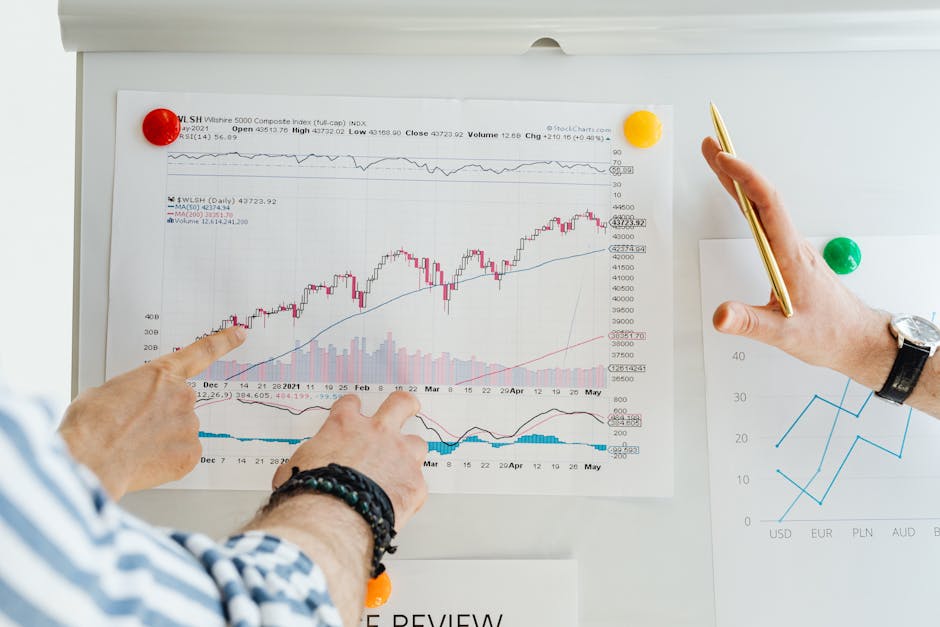
As US stocks closed Monday with modest gains, investors in the United Kingdom are waking up to another day of uncertainty on global markets. With tensions in the Middle East simmering and a slate of high-profile earnings announcements on the horizon, the S&P 500, Nasdaq, and Dow Jones have all opened higher in early trading. This morning, the S&P 500 was up 0.4%, the Nasdaq gained 0.3%, and the Dow rose 0.5%. While some analysts have flagged concerns about the potential impact of escalating tensions between Iran and the United Arab Emirates on global trade and oil prices, others see these developments as a buying opportunity for investors. With earnings season in full swing, company reports from the likes of British Airways owner IAG and supermarket giant Tesco will be closely watched by investors.
The latest escalation of tensions in the Middle East has sent oil prices surging, with Brent crude jumping 1.5% to $73.15 per barrel. While this has put pressure on energy shares, it has also boosted the prospects of companies with significant exposure to the global oil trade. In a recent note to clients, analysts at Goldman Sachs argued that the ongoing conflict in the region could lead to a shortage of oil supplies, driving prices higher and benefiting energy majors such as BP and Royal Dutch Shell. Meanwhile, others have pointed to the potential for a more significant economic downturn in the region, which could have far-reaching implications for global trade and markets.
As investors digest these developments and await key earnings announcements, they will also be keeping a close eye on the latest data releases from the Office for National Statistics (ONS) and the Bank of England. Recent economic indicators have suggested that the UK economy remains sluggish, with the latest ONS data showing a decline in retail sales and a slowdown in industrial production. In response, the Bank of England has kept interest rates on hold at 0.75%, while also signaling that it may be open to further cuts in the coming months. While a strong showing from UK companies in their earnings reports could help to alleviate some of these concerns and boost investor confidence, others have warned that the economic outlook remains uncertain and that the risks of a further slowdown are still high.
What’s Driving This
So, what’s behind the recent market volatility and the potential for further gains? One key factor is the ongoing trade tensions between the US and China, which have had a significant impact on global markets and investor sentiment. Despite the signing of a phase one trade deal between the two countries, many analysts believe that the underlying issues remain unresolved and that further tariffs and trade restrictions could still be on the horizon. This has created a degree of uncertainty and unpredictability on global markets, with investors struggling to price in the potential risks and rewards of a no-deal outcome.
Another factor at play is the ongoing debate about the future of the global economic order. As the UK navigates its post-Brexit trade relationships and the European Union grapples with its own economic challenges, many investors are looking to the US and China for leadership and direction. While the US has signalled its intention to pursue a more protectionist trade agenda, China has responded with a series of measures aimed at promoting economic growth and stability. This has created a complex and dynamic environment, with investors struggling to keep pace with the latest developments and their potential implications for the global economy.
In the context of the UK market, the recent performance of the FTSE 100 has been shaped by a combination of factors, including the ongoing Brexit saga and the impact of the COVID-19 pandemic on the global economy. While the index has been boosted by the performance of key sectors such as finance and healthcare, others have warned that the outlook remains uncertain and that the risks of further volatility are still high. In a recent note to clients, analysts at JPMorgan Chase argued that the UK market remains vulnerable to the ongoing trade tensions and the impact of the pandemic on global supply chains.
Winners and Losers
So, who are the winners and losers in this uncertain market environment? On the one hand, energy shares have been boosted by the surge in oil prices, with companies such as BP and Royal Dutch Shell benefiting from the increased demand for oil and gas. Meanwhile, other sectors such as finance and healthcare have also performed well, with companies such as Barclays and AstraZeneca benefiting from the ongoing trade tensions and the impact of the pandemic on global markets.
On the other hand, some sectors have struggled to keep pace with the latest developments and their potential implications for the global economy. In particular, companies with significant exposure to the global trade and supply chain have been hardest hit, with concerns about the potential impact of tariffs and trade restrictions on their profitability and cash flow. In a recent note to clients, analysts at Morgan Stanley argued that the ongoing trade tensions and the impact of the pandemic on global supply chains have created a significant risk for companies with significant exposure to the global trade and supply chain.

Behind the Headlines
While the market headlines have focused on the latest escalation of tensions in the Middle East and the impact of the pandemic on global markets, there are also a number of other factors at play that are shaping the performance of UK stocks. One key factor is the ongoing Brexit saga and the impact of the UK’s decision to leave the European Union on its economy and markets. While the UK government has signalled its intention to pursue a more flexible and open approach to trade with the EU, many investors remain concerned about the potential risks and uncertainties of this approach.
Another factor at play is the ongoing debate about the future of the global economic order. As the US and China pursue their competing visions for the global economy, many investors are looking to the UK and other countries to provide leadership and direction. In a recent note to clients, analysts at UBS argued that the UK market has a significant role to play in shaping the future of the global economic order and that investors should be paying close attention to the latest developments and their potential implications for the global economy.
Industry Reaction
So, what is the reaction of the UK’s financial and business communities to the latest market developments and their potential implications for the global economy? While some have welcomed the recent gains in the market and the boost to investor confidence, others have expressed concerns about the ongoing volatility and uncertainty. In a recent statement, the British Bankers’ Association (BBA) warned that the ongoing trade tensions and the impact of the pandemic on global markets have created a significant risk for the UK’s banking and financial sectors.
Meanwhile, other companies and industry groups have also responded to the latest market developments and their potential implications for the global economy. In a recent statement, the Confederation of British Industry (CBI) argued that the ongoing trade tensions and the impact of the pandemic on global markets have created a significant risk for the UK’s manufacturing and exporting sectors. While the CBI has welcomed the recent gains in the market and the boost to investor confidence, it has also warned that the outlook remains uncertain and that the risks of further volatility are still high.

Investor Takeaways
So, what are the key takeaways for investors in this uncertain market environment? On the one hand, the ongoing trade tensions and the impact of the pandemic on global markets have created a significant risk for companies with significant exposure to the global trade and supply chain. Meanwhile, other sectors such as finance and healthcare have also performed well, with companies such as Barclays and AstraZeneca benefiting from the ongoing trade tensions and the impact of the pandemic on global markets.
On the other hand, investors should also be paying close attention to the latest developments and their potential implications for the global economy. In particular, the ongoing Brexit saga and the impact of the UK’s decision to leave the European Union on its economy and markets remain a significant risk for investors. While the UK government has signalled its intention to pursue a more flexible and open approach to trade with the EU, many investors remain concerned about the potential risks and uncertainties of this approach.
Potential Risks
So, what are the potential risks for investors in this uncertain market environment? One key risk is the ongoing trade tensions and the impact of the pandemic on global markets. While the US and China have signalled their intention to pursue a more flexible and open approach to trade, many investors remain concerned about the potential risks and uncertainties of this approach. In a recent note to clients, analysts at Goldman Sachs argued that the ongoing trade tensions and the impact of the pandemic on global markets have created a significant risk for companies with significant exposure to the global trade and supply chain.
Another potential risk is the ongoing Brexit saga and the impact of the UK’s decision to leave the European Union on its economy and markets. While the UK government has signalled its intention to pursue a more flexible and open approach to trade with the EU, many investors remain concerned about the potential risks and uncertainties of this approach. In a recent statement, the Confederation of British Industry (CBI) warned that the ongoing trade tensions and the impact of the pandemic on global markets have created a significant risk for the UK’s manufacturing and exporting sectors.

Looking Ahead
So, what does the future hold for UK investors in this uncertain market environment? While the ongoing trade tensions and the impact of the pandemic on global markets have created a significant risk for companies with significant exposure to the global trade and supply chain, other sectors such as finance and healthcare have also performed well. In a recent note to clients, analysts at Morgan Stanley argued that the UK market has a significant role to play in shaping the future of the global economic order and that investors should be paying close attention to the latest developments and their potential implications for the global economy.
In the short term, investors can expect to see a continuation of the ongoing trade tensions and the impact of the pandemic on global markets. While the UK government has signalled its intention to pursue a more flexible and open approach to trade with the EU, many investors remain concerned about the potential risks and uncertainties of this approach. In a recent statement, the British Bankers’ Association (BBA) warned that the ongoing trade tensions and the impact of the pandemic on global markets have created a significant risk for the UK’s banking and financial sectors.
In conclusion, the UK market remains a complex and dynamic environment, shaped by a combination of factors including the ongoing trade tensions and the impact of the pandemic on global markets. While some sectors have performed well, others have struggled to keep pace with the latest developments and their potential implications for the global economy. As investors navigate this uncertain landscape, they should be paying close attention to the latest developments and their potential implications for the global economy.


