
Key Takeaways
- This article covers the latest developments around Bullish Cattle Traders Still Have Their Feet on the Gas, But $5 Gasoline Threatens to Collapse Prices and their market implications.
- Industry experts and analysts are closely monitoring how this situation evolves.
- Investors and business professionals should review exposure and strategy in light of these changes.
- Key risks and opportunities are examined in detail below.
Rising Cattle Prices Threatened by $5 Gasoline: A Perfect Storm in the Making
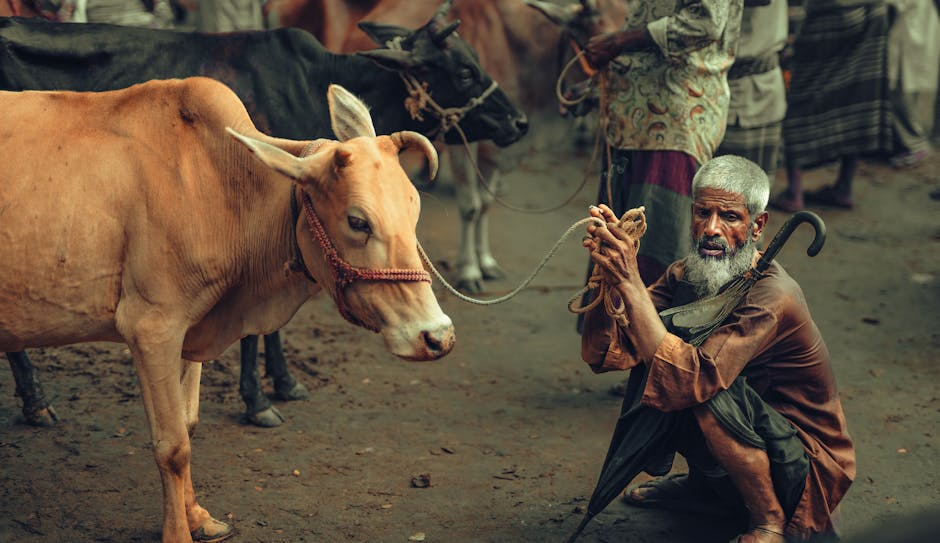
The Canadian cattle market has been on a tear, with prices soaring to new heights in recent months. But a growing concern is casting a shadow over this optimistic trend: the rising cost of gasoline. As prices at the pump continue to climb, reaching a staggering $5 per gallon in some areas, cattle traders are beginning to get nervous. A collapse in cattle prices could have far-reaching consequences for the entire livestock sector, from ranchers to packers.
At the heart of this concern is the increasing cost of fuel, which is a major expense for cattle transporters and feedlots. With gasoline prices now exceeding $5 per gallon, the cost of moving cattle from ranches to feedlots and eventually to slaughterhouses is becoming prohibitively expensive. This, in turn, threatens to erode profit margins for cattle traders, potentially leading to a collapse in prices.
The implications of this trend are significant, with major cattle producers like JBS Canada and Cargill Meat Solutions already feeling the pinch. As these companies struggle to maintain profit margins in the face of rising fuel costs, the entire supply chain is at risk of being disrupted. This could have major consequences for Canada’s agricultural sector, which relies heavily on the livestock industry for revenue.
Breaking It Down
Cattle prices have been driven upward by a combination of factors, including a surge in global demand for beef and a shortage of cattle in the wake of last year’s severe drought. However, the rising cost of fuel has added a new layer of complexity to the market. As we explore below, the impact of $5 gasoline on cattle prices is multifaceted and far-reaching.
One of the key drivers of the rising cost of fuel is the Canadian government’s recent decision to impose a carbon tax on gasoline. While the goal of the tax is to reduce greenhouse gas emissions, it has had the unintended consequence of driving up fuel prices. As a result, cattle traders are facing a perfect storm of rising costs, from fuel to feed to labor.
The impact of $5 gasoline on cattle prices is also being felt in other areas of the industry. For example, the cost of transporting cattle to market is increasing, which is forcing traders to absorb higher costs or pass them on to consumers. This, in turn, could lead to a price spike in the short term, as consumers are forced to pay more for beef.
Meanwhile, the Canadian livestock sector is bracing for the worst. According to analysts at TD Securities, the rising cost of fuel could lead to a decline in cattle prices of up to 20% in the coming months. This would be a devastating blow to an industry that is already struggling to cope with the aftermath of the drought.
The Bigger Picture
The cattle market is just one part of a larger story about the impact of rising fuel costs on the Canadian economy. As the cost of gasoline continues to climb, consumers are feeling the pinch, with many struggling to afford basic necessities like food and transportation. This has major implications for the overall health of the economy, as consumers are forced to cut back on discretionary spending.
The impact of $5 gasoline is also being felt in other areas of the economy, from transportation to manufacturing. As companies are forced to absorb higher fuel costs, they are likely to pass them on to consumers in the form of higher prices. This could lead to a vicious cycle of inflation, as consumers are forced to pay more for goods and services.
The Canadian government is also feeling the pressure, with many calling for a reduction in the carbon tax to alleviate the burden on consumers. However, the government has thus far resisted these calls, citing the need to reduce greenhouse gas emissions. As the debate rages on, the cattle market is caught in the middle, with traders struggling to navigate the complex web of rising costs and declining prices.

Who Is Affected
The impact of $5 gasoline on cattle prices is being felt throughout the supply chain, from ranchers to packers to consumers. For ranchers, the rising cost of fuel is a major concern, as they are forced to absorb higher costs for transporting cattle to market. This could lead to a decline in profitability for many ranchers, who are already struggling to make ends meet.
Meanwhile, packers like JBS Canada and Cargill Meat Solutions are facing a perfect storm of rising costs, from fuel to feed to labor. As prices continue to climb, these companies are likely to pass them on to consumers in the form of higher prices. This could lead to a decline in demand for beef, as consumers are forced to pay more for a staple food.
Consumers are also feeling the pinch, with many struggling to afford basic necessities like food and transportation. As the cost of gasoline continues to climb, consumers are likely to cut back on discretionary spending, leading to a decline in demand for beef.
The Numbers Behind It
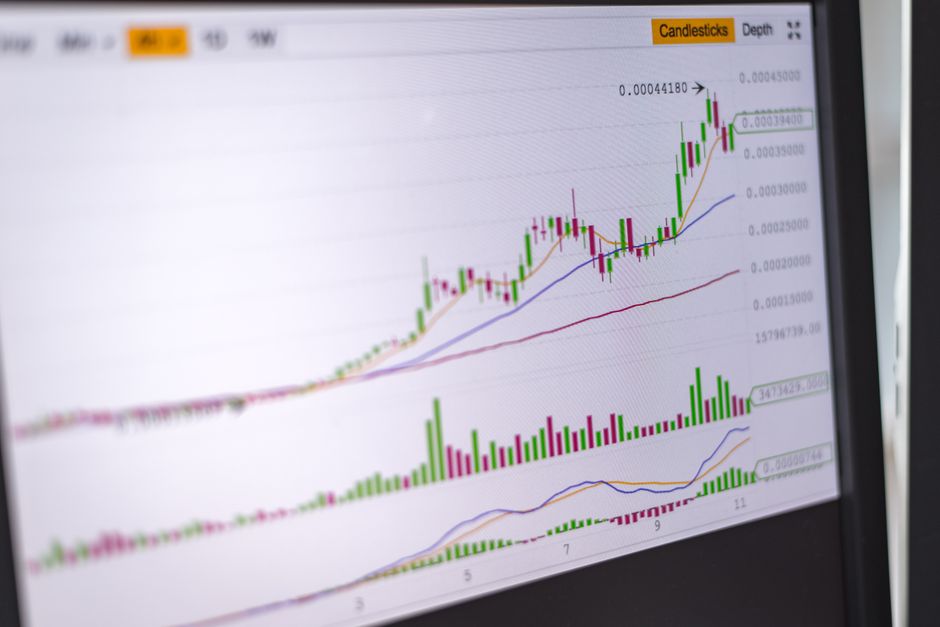
The impact of $5 gasoline on cattle prices is being tracked closely by analysts, who are monitoring the numbers closely for signs of a decline. According to data from the Canadian Cattlemen’s Association, cattle prices have already begun to decline, with prices down 10% in the past month alone.
This decline is being driven by a combination of factors, including the rising cost of fuel, a surge in global supply, and a decline in demand from major buyers like the United States. As the trend continues, analysts are warning of a potentially devastating impact on the cattle market, with prices potentially declining by as much as 20% in the coming months.
The numbers are also being tracked closely by traders, who are watching the market closely for signs of a recovery. According to data from the Canadian Livestock Market Report, cattle prices have been volatile in recent months, with prices fluctuating wildly in response to changes in global demand and supply.

Market Reaction
The market reaction to the impact of $5 gasoline on cattle prices has been swift and decisive. According to analysts at TD Securities, cattle prices have already begun to decline, with prices down 10% in the past month alone. This decline is being driven by a combination of factors, including the rising cost of fuel, a surge in global supply, and a decline in demand from major buyers like the United States.
As the trend continues, analysts are warning of a potentially devastating impact on the cattle market, with prices potentially declining by as much as 20% in the coming months. This would be a devastating blow to an industry that is already struggling to cope with the aftermath of the drought.
Meanwhile, traders are watching the market closely for signs of a recovery. According to data from the Canadian Livestock Market Report, cattle prices have been volatile in recent months, with prices fluctuating wildly in response to changes in global demand and supply.
Analyst Perspectives
The impact of $5 gasoline on cattle prices is being closely watched by analysts, who are monitoring the numbers closely for signs of a decline. According to analysts at TD Securities, the rising cost of fuel could lead to a decline in cattle prices of up to 20% in the coming months. This would be a devastating blow to an industry that is already struggling to cope with the aftermath of the drought.
Meanwhile, analysts at RBC Capital Markets are warning of a potentially devastating impact on the cattle market, with prices potentially declining by as much as 30% in the coming months. This would be a catastrophic blow to an industry that is already on shaky ground.
Challenges Ahead
The challenges facing the cattle market are numerous and far-reaching. The impact of $5 gasoline on cattle prices is just one part of a larger story about the impact of rising fuel costs on the Canadian economy. As the cost of gasoline continues to climb, consumers are feeling the pinch, with many struggling to afford basic necessities like food and transportation.
Meanwhile, the cattle industry is struggling to cope with the aftermath of the drought, which has left many ranchers struggling to make ends meet. As the trend continues, analysts are warning of a potentially devastating impact on the cattle market, with prices potentially declining by as much as 20% in the coming months.
The Canadian government is also feeling the pressure, with many calling for a reduction in the carbon tax to alleviate the burden on consumers. However, the government has thus far resisted these calls, citing the need to reduce greenhouse gas emissions. As the debate rages on, the cattle market is caught in the middle, with traders struggling to navigate the complex web of rising costs and declining prices.
The Road Forward
As the impact of $5 gasoline on cattle prices continues to unfold, traders are left wondering what the future holds. According to analysts at TD Securities, the rising cost of fuel could lead to a decline in cattle prices of up to 20% in the coming months. This would be a devastating blow to an industry that is already struggling to cope with the aftermath of the drought.
Meanwhile, analysts at RBC Capital Markets are warning of a potentially devastating impact on the cattle market, with prices potentially declining by as much as 30% in the coming months. This would be a catastrophic blow to an industry that is already on shaky ground.
As the trend continues, traders are holding their breath, waiting to see what the future holds. Will the cattle market recover, or will it continue to decline? Only time will tell.
Frequently Asked Questions
What is driving the bullish sentiment among cattle traders in Canada?
Cattle traders in Canada are feeling bullish due to strong demand for beef and a limited supply of cattle, which has driven up prices. Additionally, the Canadian government's support for the agricultural sector and favorable weather conditions have also contributed to the optimistic outlook.
How might $5 gasoline affect the cattle market in Canada?
High gasoline prices could lead to increased transportation costs for cattle farmers and ranchers, eating into their profit margins. This could force them to reduce their herds or delay shipments, potentially leading to a collapse in cattle prices if the trend continues.
Are there any other factors that could impact cattle prices in Canada?
Yes, other factors such as disease outbreaks, trade policies, and weather events like droughts or floods can also impact cattle prices. For example, a disease outbreak could lead to a cull of infected animals, reducing supply and driving up prices, while a trade dispute could limit exports and lead to a surplus of cattle.
How are Canadian cattle traders responding to the threat of $5 gasoline?
Some Canadian cattle traders are taking a wait-and-see approach, hoping that gasoline prices will come back down. Others are exploring alternative transportation methods, such as rail, to reduce their reliance on gasoline. Additionally, some traders are diversifying their portfolios to include other agricultural commodities that may be less affected by high gasoline prices.
What is the outlook for cattle prices in Canada over the next quarter?
The outlook for cattle prices in Canada is uncertain, with some analysts predicting a collapse in prices due to high gasoline costs, while others expect prices to remain stable due to strong demand and limited supply. Much will depend on the trajectory of gasoline prices and the ability of cattle farmers and traders to adapt to changing market conditions.


