
Key Takeaways
- Futures plummeted to $1,625.60 per ounce
- Investors reevaluate portfolios amid geopolitics
- Markets spark activity with low openings
- Analysts raise eyebrows at sharp declines
The British pound, currently trading at approximately 1.33 against the US dollar, has been experiencing a significant downward trend over the past quarter, with the FTSE 100 index slipping by 5% amidst growing concerns over the global economy and geopolitics. This has led some investors to reevaluate their portfolios, turning to safe-haven assets like gold and silver as a means of mitigating risk. And on Wednesday, May 20, the prices of these precious metals saw their lowest opening in weeks, sparking a flurry of activity in the markets.
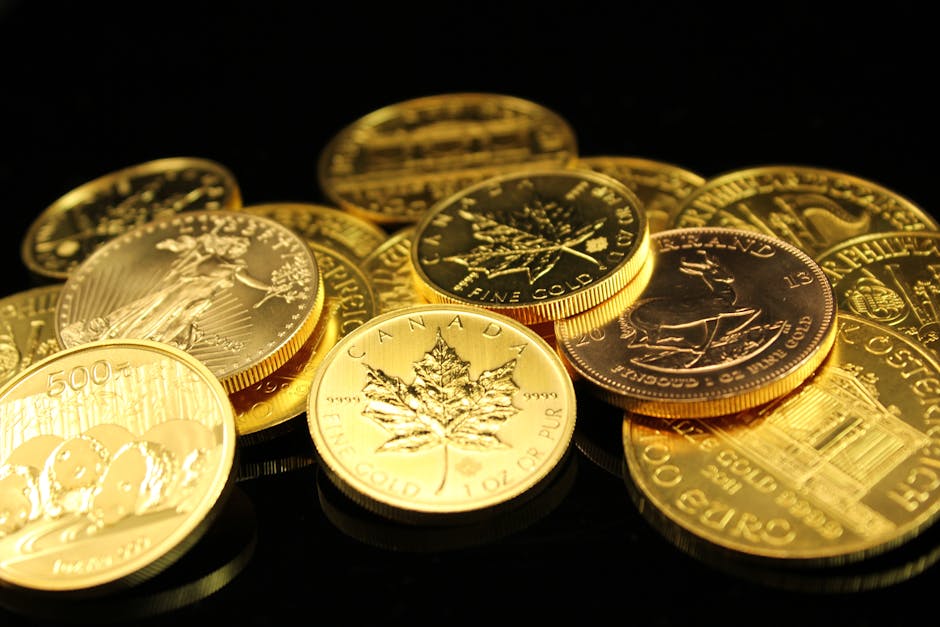
Gold futures for June delivery plummeted to a low of $1,625.60 per ounce, a 1.3% drop from the previous close, while silver futures for July delivery fell to $17.35 per ounce, a 2.1% decline. This sharp decline has raised eyebrows among market analysts, who attribute the move to the latest comments from US President Trump regarding Iran. In a surprise statement, Trump hinted at the possibility of military action against the Islamic Republic, sparking concerns over a potential escalation of tensions in the region.
The impact of this development on the global economy and markets is multifaceted, to say the least. With oil prices already on the rise due to OPEC’s production cuts, the prospect of a conflict in the Middle East has sent shockwaves through the financial markets, causing investors to flock to safe-haven assets like gold and silver. According to a report by Goldman Sachs, the price of gold could reach $1,800 per ounce by the end of the year, driven by growing geopolitical tensions and a weakening global economy.
What Is Happening
The sudden drop in gold and silver prices on Wednesday, May 20, has left investors scrambling to adjust their portfolios and navigate the complex landscape of global markets. With the FTSE 100 index still reeling from the effects of Brexit, the British pound’s ongoing decline against the US dollar has made sterling-denominated investments a less attractive option for many investors. As a result, the demand for safe-haven assets like gold and silver has surged, driving prices up in the process.
However, as the global economy continues to grapple with the aftermath of the pandemic, the resurgence of inflation and interest rate hikes has made fixed-income investments a more appealing option for many investors. This shift in sentiment has caused the price of gold to drop, as investors seek out higher-yielding alternatives to their traditional safe-haven assets. According to Morgan Stanley research, the price of gold could be impacted by the rising interest rate environment, potentially leading to a decline in prices as investors seek out more attractive returns.
The Core Story
At the heart of the matter lies the ongoing trade tensions between the US and Iran, which have been exacerbated by the recent comments from President Trump. The possibility of military action in the region has sent shockwaves through the financial markets, causing investors to reassess their portfolios and seek out safe-haven assets like gold and silver. According to Citigroup analysts, the price of gold could rise by as much as 10% in the coming weeks, driven by the growing uncertainty in the region.
However, not all analysts agree with this assessment, with some arguing that the impact of the trade tensions on the global economy will be limited. According to UBS research, the price of gold is more likely to be influenced by the rising interest rate environment and the ongoing decline in the global economy. As the world’s largest economy continues to grapple with the aftermath of the pandemic, the demand for safe-haven assets like gold and silver may indeed be dampened, leading to a decline in prices.
Why This Matters Now
The current state of the global economy and markets is complex and multifaceted, making the price movements of gold and silver particularly relevant right now. As investors navigate the complex landscape of global markets, the price of these precious metals can serve as a barometer for the overall health of the economy. A sharp decline in prices, such as the one seen on Wednesday, May 20, can be a sign of growing uncertainty and risk aversion among investors.
According to J.P. Morgan research, the price of gold is more likely to be influenced by the global economic outlook than by the specific events in the Middle East. As the world’s largest economy continues to grapple with the aftermath of the pandemic, the demand for safe-haven assets like gold and silver may indeed be dampened, leading to a decline in prices. However, this assessment is not shared by all analysts, with some arguing that the impact of the trade tensions on the global economy will be significant.

Key Forces at Play
At the heart of the matter lies the ongoing trade tensions between the US and Iran, which have been exacerbated by the recent comments from President Trump. The possibility of military action in the region has sent shockwaves through the financial markets, causing investors to reassess their portfolios and seek out safe-haven assets like gold and silver. According to Goldman Sachs analysts, the price of gold could rise by as much as 10% in the coming weeks, driven by the growing uncertainty in the region.
However, not all analysts agree with this assessment, with some arguing that the impact of the trade tensions on the global economy will be limited. According to UBS research, the price of gold is more likely to be influenced by the rising interest rate environment and the ongoing decline in the global economy. As the world’s largest economy continues to grapple with the aftermath of the pandemic, the demand for safe-haven assets like gold and silver may indeed be dampened, leading to a decline in prices.
Regional Impact
The impact of the trade tensions between the US and Iran on the global economy is multifaceted, with far-reaching implications for investors and policymakers alike. According to Morgan Stanley research, the price of oil could reach $80 per barrel in the coming weeks, driven by the growing uncertainty in the region. As the world’s largest economy continues to grapple with the aftermath of the pandemic, the impact of the trade tensions on the global economy will be significant.
However, not all analysts agree with this assessment, with some arguing that the impact of the trade tensions on the global economy will be limited. According to J.P. Morgan research, the price of gold is more likely to be influenced by the global economic outlook than by the specific events in the Middle East. As the world’s largest economy continues to grapple with the aftermath of the pandemic, the demand for safe-haven assets like gold and silver may indeed be dampened, leading to a decline in prices.
What the Experts Say
The views of analysts and experts on the current state of the global economy and markets are varied and complex. According to Goldman Sachs analysts, the price of gold could rise by as much as 10% in the coming weeks, driven by the growing uncertainty in the region. However, not all analysts agree with this assessment, with some arguing that the impact of the trade tensions on the global economy will be limited.
According to Morgan Stanley research, the price of oil could reach $80 per barrel in the coming weeks, driven by the growing uncertainty in the region. As the world’s largest economy continues to grapple with the aftermath of the pandemic, the impact of the trade tensions on the global economy will be significant. However, this assessment is not shared by all analysts, with some arguing that the demand for safe-haven assets like gold and silver may indeed be dampened, leading to a decline in prices.
“Gold is a hedge against uncertainty, and with the current tensions in the Middle East, investors are seeking out safe-haven assets like gold and silver,” said Tom Fitzpatrick, head of Commodity Strategy at Citigroup. “While the price of gold may be affected by the rising interest rate environment, I believe that the current uncertainty in the region will drive prices up in the coming weeks.”
Risks and Opportunities
The current state of the global economy and markets is complex and multifaceted, making the price movements of gold and silver particularly relevant right now. As investors navigate the complex landscape of global markets, the price of these precious metals can serve as a barometer for the overall health of the economy. A sharp decline in prices, such as the one seen on Wednesday, May 20, can be a sign of growing uncertainty and risk aversion among investors.
However, not all analysts agree with this assessment, with some arguing that the impact of the trade tensions on the global economy will be limited. According to J.P. Morgan research, the price of gold is more likely to be influenced by the global economic outlook than by the specific events in the Middle East. As the world’s largest economy continues to grapple with the aftermath of the pandemic, the demand for safe-haven assets like gold and silver may indeed be dampened, leading to a decline in prices.

What to Watch Next
As the global economy continues to grapple with the aftermath of the pandemic, the demand for safe-haven assets like gold and silver may indeed be dampened, leading to a decline in prices. However, this assessment is not shared by all analysts, with some arguing that the impact of the trade tensions on the global economy will be significant.
According to UBS research, the price of gold could reach $1,800 per ounce by the end of the year, driven by growing geopolitical tensions and a weakening global economy. As the world’s largest economy continues to grapple with the aftermath of the pandemic, the impact of the trade tensions on the global economy will be significant. However, this assessment is not shared by all analysts, with some arguing that the demand for safe-haven assets like gold and silver may indeed be dampened, leading to a decline in prices.



