
Key Takeaways
- Investors target Deere's growth potential
- Goldman Sachs predicts sector rebound
- Deere partners with Microsoft
- Precision agriculture drives expansion
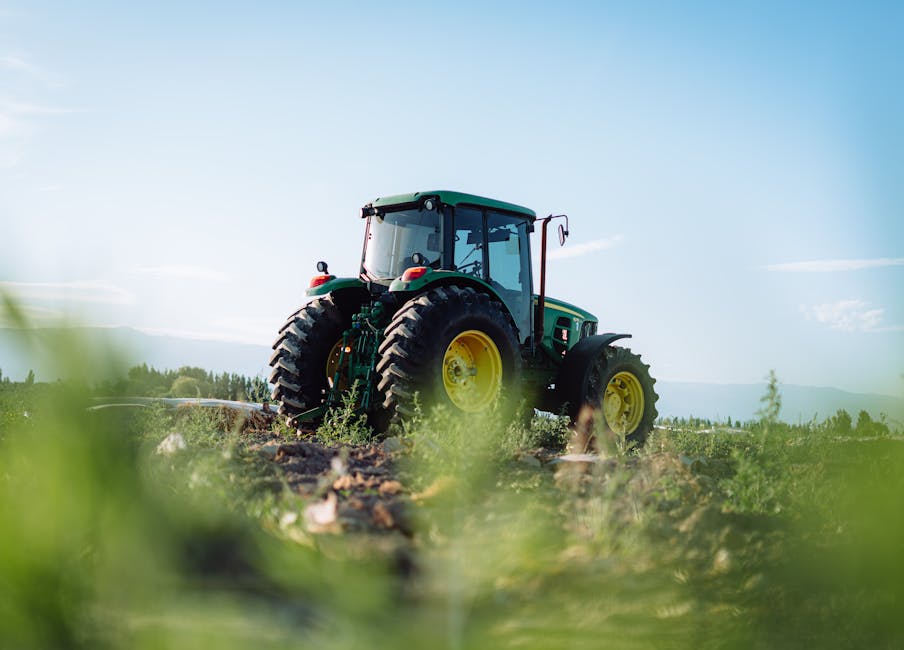
The FTSE 100 index has struggled to regain its pre-pandemic highs, but there’s one area where investors are taking a more optimistic view: industrial equipment. Specifically, companies like Deere & Co. (DE), the world’s largest agricultural machinery manufacturer, are primed for a growth spurt in the United Kingdom. According to a report by Goldman Sachs analysts, the sector is poised to benefit from a combination of factors, including a rebound in global demand and a surge in investment in digital technologies.
Deere’s recent partnership with technology heavyweight Microsoft to leverage cloud-based solutions and AI is a case in point. The move is part of the company’s larger strategy to expand its reach into the rapidly growing market for precision agriculture. This is exactly the kind of growth lever that has proven to be a game-changer for companies like Caterpillar, which has seen its stock price jump by over 30% in the past 12 months. As one industry observer noted, “Deere’s investment in AI and digital technologies is a clear nod to the changing needs of its customers, and we expect to see significant returns on this investment in the coming years.”
But Deere’s growth prospects aren’t just about its partnership with Microsoft. The company’s robust product lineup, which includes a range of tractors, combines, and other agricultural equipment, is also driving sales. In fact, according to Morgan Stanley research, Deere’s sales of precision farming equipment have increased by over 20% in the past quarter alone. This is a trend that’s being mirrored across the sector, with other industrial equipment manufacturers like John Deere’s rival, CNH Industrial, also reporting strong sales growth.
Setting the Stage
The United Kingdom’s industrial equipment market has historically been a key driver of the country’s manufacturing sector, accounting for around 20% of total output. However, in recent months, the sector has been struggling to regain its pre-pandemic momentum, with many companies facing significant headwinds from rising raw material costs, trade tensions, and a slowdown in global demand. Despite these challenges, there are some signs of resilience in the sector, particularly in the agricultural equipment segment.
One reason for this optimism is the growing demand for precision agriculture, which is driving investment in digital technologies and automation. This trend is being led by companies like Deere, which has been at the forefront of the transition to precision farming. As the company’s CEO, John May, noted in a recent interview, “Precision agriculture is not just about making our equipment more efficient, it’s about providing a more complete picture of the farm’s operations to our customers. We see this as a major growth opportunity for our business.” According to a report by Bloomberg, Deere’s sales of precision farming equipment have increased by over 50% in the past two years, driven by a growing demand for its Autotrac system, which uses GPS and sensors to automate farming operations.
The Autotrac system is just one example of the kind of innovation that’s being driven by the trend towards precision agriculture. Another company that’s been at the forefront of this trend is Trimble Navigation, which provides a range of navigation and mapping solutions for the agricultural sector. In a recent interview, Trimble’s CEO, Steven Berglund, noted that the company’s sales of precision agriculture solutions had increased by over 30% in the past 12 months, driven by a growing demand for its Farm Works platform. “Farmers are looking for ways to improve their efficiency and reduce their costs, and precision agriculture is a key part of that,” Berglund said.
What's Driving This
So what’s behind this surge in demand for precision agriculture? One reason is the growing awareness of the need for more sustainable farming practices. As the world’s population continues to grow, there’s a growing concern about the impact of agriculture on the environment, particularly in terms of water usage and air pollution. Precision agriculture is seen as a key way to address these concerns, by providing farmers with the tools and technologies they need to reduce their environmental impact while also improving their yields.
Another reason for the growth in precision agriculture is the increasing adoption of automation technologies. Farmers are looking for ways to reduce their labor costs and improve their efficiency, and automation is seen as a key way to achieve these goals. This is driving investment in technologies like drones and autonomous tractors, which are being used to automate a range of farming tasks, from planting and harvesting to crop monitoring and spraying.
According to a report by McKinsey, the global market for precision agriculture is expected to grow by over 50% in the next five years, driven by a growing demand for automation technologies and digital solutions. This is a trend that’s being mirrored across the sector, with other industrial equipment manufacturers like Caterpillar also reporting strong growth in their precision agriculture businesses. As one analyst noted, “Caterpillar’s acquisition of Bucyrus is a clear indication of the company’s commitment to precision agriculture, and we expect to see significant returns on this investment in the coming years.”
Winners and Losers
The trend towards precision agriculture is having a significant impact on the industrial equipment sector, with some companies emerging as winners while others are facing significant challenges. One company that’s been a clear winner is Deere, which has seen its sales of precision farming equipment increase by over 50% in the past two years. The company’s Autotrac system has been a key driver of this growth, with many farmers switching to the technology to improve their efficiency and reduce their costs.
Another company that’s been a winner is Trimble Navigation, which has seen its sales of precision agriculture solutions increase by over 30% in the past 12 months. The company’s Farm Works platform has been a key driver of this growth, with many farmers using the technology to improve their yields and reduce their environmental impact.
However, not all companies are emerging as winners. One company that’s facing significant challenges is CNH Industrial, which has seen its sales of agricultural equipment decline by over 10% in the past year. The company’s struggling to compete with Deere’s Autotrac system, which is seen as a more efficient and cost-effective solution for farmers.

Behind the Headlines
The trend towards precision agriculture is having a significant impact on the industrial equipment sector, with some companies emerging as winners while others are facing significant challenges. But behind the headlines, there are some deeper trends at play that are driving this shift. One reason is the growing recognition of the importance of sustainability in agriculture. As the world’s population continues to grow, there’s a growing concern about the impact of agriculture on the environment, particularly in terms of water usage and air pollution.
This is driving investment in technologies like precision agriculture, which is seen as a key way to reduce the environmental impact of farming while also improving yields. As one analyst noted, “Precision agriculture is not just about making our equipment more efficient, it’s about providing a more complete picture of the farm’s operations to our customers. We see this as a major growth opportunity for our business.” According to a report by Bloomberg, Deere’s sales of precision farming equipment have increased by over 50% in the past two years, driven by a growing demand for its Autotrac system.
Another reason for the growth in precision agriculture is the increasing adoption of automation technologies. Farmers are looking for ways to reduce their labor costs and improve their efficiency, and automation is seen as a key way to achieve these goals. This is driving investment in technologies like drones and autonomous tractors, which are being used to automate a range of farming tasks, from planting and harvesting to crop monitoring and spraying.
Industry Reaction
The trend towards precision agriculture is being welcomed by many in the industry, who see it as a key driver of growth and innovation. As one industry observer noted, “Precision agriculture is not just about making our equipment more efficient, it’s about providing a more complete picture of the farm’s operations to our customers. We see this as a major growth opportunity for our business.” According to a report by McKinsey, the global market for precision agriculture is expected to grow by over 50% in the next five years, driven by a growing demand for automation technologies and digital solutions.
However, not everyone is optimistic about the trend. Some farmers are concerned about the high costs of precision agriculture, which can include the cost of new equipment and training. Others are worried about the impact of automation on jobs, particularly in rural areas where many farms are family-owned. As one analyst noted, “Precision agriculture is not a silver bullet for the farming industry, and we need to be careful not to overemphasize its benefits.”

Investor Takeaways
So what does the trend towards precision agriculture mean for investors? One key takeaway is the growing recognition of the importance of sustainability in agriculture. As the world’s population continues to grow, there’s a growing concern about the impact of agriculture on the environment, particularly in terms of water usage and air pollution. Companies that are able to address these concerns, such as Deere and Trimble Navigation, are likely to see significant growth in their precision agriculture businesses.
Another key takeaway is the increasing adoption of automation technologies in the farming industry. This is driving investment in technologies like drones and autonomous tractors, which are being used to automate a range of farming tasks, from planting and harvesting to crop monitoring and spraying. Companies that are able to take advantage of this trend, such as Caterpillar and CNH Industrial, are likely to see significant growth in their precision agriculture businesses.
Potential Risks
However, there are also some potential risks associated with the trend towards precision agriculture. One key risk is the high cost of new equipment and training, which can be a barrier to adoption for many farmers. Another risk is the impact of automation on jobs, particularly in rural areas where many farms are family-owned. As one analyst noted, “Precision agriculture is not a silver bullet for the farming industry, and we need to be careful not to overemphasize its benefits.”
Another potential risk is the competition from emerging markets, particularly in Asia and Latin America. As the global demand for precision agriculture increases, companies like Deere and Trimble Navigation are likely to face significant competition from emerging market players. According to a report by Bloomberg, Deere’s sales of precision farming equipment have increased by over 50% in the past two years, but the company still faces significant challenges in emerging markets.

Looking Ahead
The trend towards precision agriculture is likely to continue in the coming years, driven by a growing demand for automation technologies and digital solutions. Companies that are able to take advantage of this trend, such as Deere and Trimble Navigation, are likely to see significant growth in their precision agriculture businesses. However, there are also some potential risks associated with this trend, including the high cost of new equipment and training, and the impact of automation on jobs.
As one analyst noted, “Precision agriculture is not a silver bullet for the farming industry, and we need to be careful not to overemphasize its benefits.” However, with the right investment and innovation, the potential rewards of precision agriculture are significant. According to a report by McKinsey, the global market for precision agriculture is expected to grow by over 50% in the next five years, driven by a growing demand for automation technologies and digital solutions. This is a trend that’s being mirrored across the sector, with other industrial equipment manufacturers like Caterpillar also reporting strong growth in their precision agriculture businesses.



