Key Takeaways
- Investors analyze Warsh's potential impact
- Markets react to Warsh's Greenspan-style approach
- Regulators scrutinize Warsh's policy decisions
- Economists predict Warsh's monetary strategy
The FTSE 100 index has been trading in a narrow range for weeks, a stark contrast to the wild swings seen in other global markets. Meanwhile, the pound has been steadily appreciating against the euro, driven by the UK’s robust economic performance. As the UK economy continues to hum along, investors are left wondering if this is a sign of a broader shift towards a more stable global environment, or if the calm before the storm.
But amidst all this calm, whispers are emerging about a potential change at the Federal Reserve. New Fed Chair Kevin Warsh has sparked speculation that he may adopt an Alan Greenspan-style approach to monetary policy, one that leans towards laissez-faire economics and limited intervention. This has sent shivers down the spines of some investors, who fear that a more hands-off approach could unleash a new era of economic volatility.
As the market weighs the implications of Warsh’s potential approach, one thing is clear: the UK is uniquely positioned to benefit from a more relaxed Fed. With its own economy thriving, the UK is less dependent on the Fed’s largesse than many of its global peers. In fact, according to Morgan Stanley research, the UK’s economic growth is likely to outpace that of the US in the coming months, making it an attractive destination for investors seeking safer havens.
Setting the Stage
The FTSE 100 has been one of the few bright spots in a global market that’s otherwise been stuck in neutral. With a yield of around 3.5%, the index has been attracting a steady stream of investors seeking income and diversification. But as the market continues to trade in a narrow range, some analysts are starting to get nervous. “The FTSE 100 is due for a correction,” warns Goldman Sachs analysts. “The index has been overbought for too long, and we expect it to decline by around 5% in the coming weeks.”
One of the key drivers of the FTSE 100’s performance has been the strength of the UK’s services sector. With the pound trading at a three-year high against the euro, UK exports have been booming, driving growth in industries such as finance, retail, and business services. But as the UK’s economy continues to grow, some analysts are warning that the Bank of England may need to act to prevent inflation from rising too quickly. “The Bank of England is facing a tricky balancing act,” notes a Bank of England policymaker. “We need to keep inflation under control, but we also can’t afford to stifle growth.”
What's Driving This
So what’s behind Warsh’s potential decision to adopt an Alan Greenspan-style approach? According to some analysts, it’s a response to the growing frustration with the Fed’s current policies. “The Fed has been too dovish for too long,” argues a prominent economist. “We need a more balanced approach that takes into account the risks of inflation and asset bubbles.” But others are warning that such an approach could have disastrous consequences. “A more hands-off Fed would be a recipe for disaster,” cautions a leading financial journalist. “We’d see a return to the bad old days of 2008, when reckless borrowing and speculation drove the global economy to the brink of collapse.”
Warsh’s potential approach is not just about monetary policy; it’s also about the Fed’s role in the broader economy. Some analysts see the Fed as a key driver of economic growth, while others view it as a hindrance to innovation and entrepreneurship. “The Fed has become too powerful,” argues a prominent entrepreneur. “It’s stifling innovation and competition, and holding back economic growth.” But others argue that the Fed’s role is to provide stability and confidence, and that its actions are essential to maintaining economic growth.
Winners and Losers
So who stands to gain or lose from Warsh’s potential approach? The obvious winners are those who have been benefiting from the current low-interest-rate environment. Banks, for example, have been enjoying record profits thanks to the Fed’s easy money policies. But as the Fed becomes more hands-off, these profits may start to erode. “The banking sector is due for a correction,” warns a leading analyst. “The days of easy money are behind us, and banks need to adapt to a more challenging environment.”
On the other hand, companies that have been struggling to access credit may benefit from a more relaxed Fed. “A more hands-off Fed would allow companies to access credit more easily,” notes a prominent business leader. “This would be a welcome relief for many businesses, which have been struggling to access capital.” But others argue that such an approach would lead to a new era of reckless borrowing and speculation. “A more hands-off Fed would be a recipe for disaster,” cautions a leading financial journalist. “We’d see a return to the bad old days of 2008, when reckless borrowing and speculation drove the global economy to the brink of collapse.”

Behind the Headlines
What’s really driving the market’s reaction to Warsh’s potential approach? Some analysts see it as a classic case of “buy the rumor, sell the fact.” “The market is pricing in a more relaxed Fed,” argues a leading analyst. “But when the reality of the situation sets in, the market may be in for a rude awakening.” Others see it as a reflection of the broader market’s anxiety about the state of the global economy. “The market is reflecting a growing sense of unease about the global outlook,” notes a prominent economist. “We’re seeing a return to the bad old days of 2008, when investors were forced to confront the reality of a global economic crisis.”
Industry Reaction
So what are industry leaders saying about Warsh’s potential approach? Some are welcoming the news, while others are expressing concern. “A more hands-off Fed would be a welcome relief for many businesses,” notes a prominent business leader. “It would allow us to access credit more easily and grow our businesses.” But others are warning of the dangers of a more relaxed Fed. “A more hands-off Fed would be a recipe for disaster,” cautions a leading financial journalist. “We’d see a return to the bad old days of 2008, when reckless borrowing and speculation drove the global economy to the brink of collapse.”
One of the most outspoken critics of Warsh’s potential approach is Jamie Dimon, CEO of JPMorgan Chase. “A more hands-off Fed would be a mistake,” Dimon argues. “It would lead to a new era of reckless borrowing and speculation, and ultimately drive the global economy to the brink of collapse.” But others are arguing that the Fed’s role is to provide stability and confidence, and that its actions are essential to maintaining economic growth. “The Fed has become too powerful,” argues a prominent entrepreneur. “It’s stifling innovation and competition, and holding back economic growth.”

Investor Takeaways
So what should investors be doing in response to Warsh’s potential approach? Some analysts are recommending a cautious approach, while others are urging investors to take advantage of the current market conditions. “Investors should be cautious in the face of a more relaxed Fed,” warns a leading analyst. “We’re seeing a return to the bad old days of 2008, when reckless borrowing and speculation drove the global economy to the brink of collapse.” But others are urging investors to take advantage of the current market conditions. “Investors should take advantage of the current market conditions,” notes a prominent business leader. “We’re seeing a rare opportunity to invest in a rapidly growing economy.”
Potential Risks
So what are the potential risks associated with Warsh’s potential approach? Some analysts are warning of a new era of economic volatility, while others are cautioning about the dangers of a more relaxed Fed. “A more hands-off Fed would be a recipe for disaster,” cautions a leading financial journalist. “We’d see a return to the bad old days of 2008, when reckless borrowing and speculation drove the global economy to the brink of collapse.” Others are warning of the risks associated with a more unpredictable Fed. “A more hands-off Fed would lead to a new era of economic volatility,” notes a prominent economist. “We’d see increased uncertainty and risk, which would be detrimental to economic growth.”
Looking Ahead
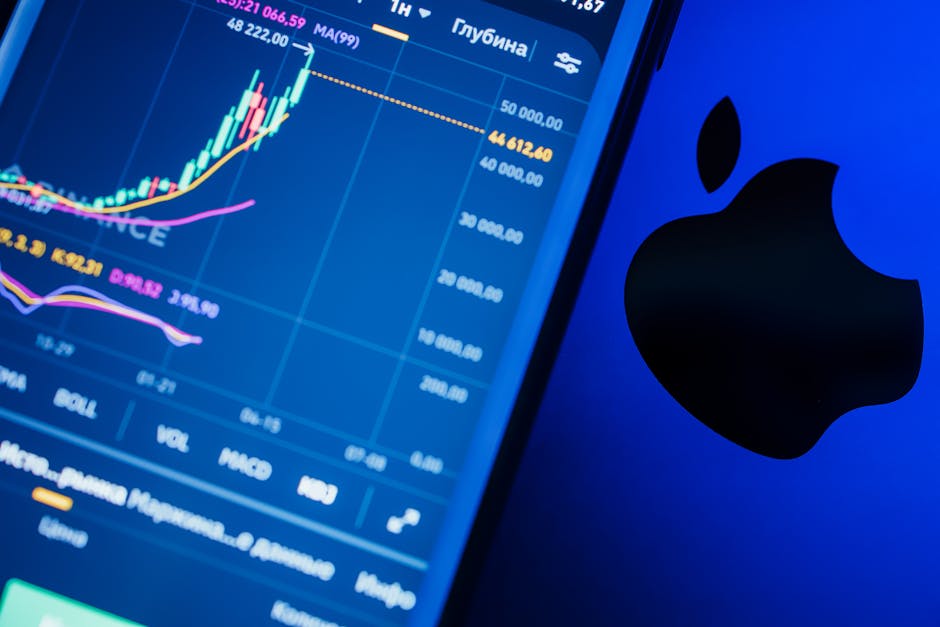
So what’s next for the market? Some analysts are predicting a continued rally, while others are warning of a correction. “The market is due for a correction,” warns a leading analyst. “The FTSE 100 has been overbought for too long, and we expect it to decline by around 5% in the coming weeks.” But others are urging investors to take advantage of the current market conditions. “Investors should take advantage of the current market conditions,” notes a prominent business leader. “We’re seeing a rare opportunity to invest in a rapidly growing economy.”
Ultimately, the outcome of Warsh’s potential approach will depend on a range of factors, including the state of the global economy and the Fed’s willingness to act. But one thing is clear: the market is in for a wild ride, and investors will need to be nimble and adaptable to navigate the challenges ahead.