
Key Takeaways
- Investors weigh gold's value amidst market volatility
- Experts warn of global trends impacting Australia
- Markets drive gold prices to $1,800
- Traders analyze S&P 500's record highs
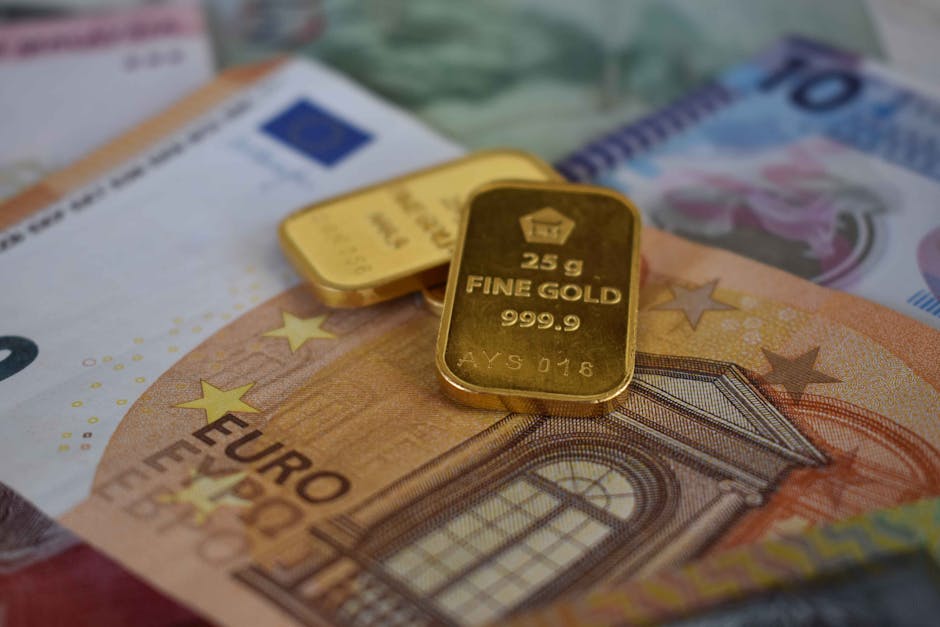
Gold prices have been hovering around $1,800 per ounce for months, with many investors wondering if it’s time to buy the dip as the S&P 500 and Nasdaq hit all-time highs. But what’s driving this trend, and is it a sign of a broader market shift? In Australia, the local gold market has been particularly volatile, with the ASX-listed gold miners like Newcrest Mining and Resolute Mining experiencing wild swings in share price. Meanwhile, the Australian dollar has been strengthening against the US dollar, making gold more expensive for investors.
This volatile market is a stark contrast to the relative calm in the US gold market, where prices have been steadily increasing over the past few years. But experts warn that the Australian market is not immune to global trends, and that the current price movement is a sign of a deeper shift in investor sentiment. “The gold market is a global phenomenon, and what happens in the US has a ripple effect on markets around the world,” says James Steel, a senior analyst at HSBC. “The current price movement is a sign that investors are becoming more cautious, and that’s a trend that’s likely to continue in the coming months.”
In the US, the gold market has been driven by a combination of factors, including inflation concerns, a strengthening dollar, and a decline in gold mining production. The recent price rally has been led by investors seeking safe-haven assets, and gold has been a major beneficiary of this trend. But as the S&P 500 and Nasdaq continue to hit all-time highs, many investors are wondering if gold is still a viable investment option. “Gold is a hedge against inflation and market volatility, but it’s not a direct play on the stock market,” says Steve Eisman, a well-known hedge fund manager. “If the market continues to rise, gold prices may not move as much as investors expect.”
What Is Happening
The gold market has been experiencing a wild ride over the past few months, with prices swinging wildly in response to global economic trends. The current price movement is driven by a combination of factors, including inflation concerns, a strengthening dollar, and a decline in gold mining production. According to data from the World Gold Council, global gold demand has been increasing steadily over the past few years, driven by a combination of factors including central bank purchases and jewelry demand. But the supply side of the market has been struggling, with many gold miners experiencing declining production due to geological challenges and rising costs.
In Australia, the gold market has been particularly volatile, with prices swinging wildly in response to changes in the local currency and global economic trends. The Australian dollar has been strengthening against the US dollar, making gold more expensive for investors. At the same time, the local gold mining industry has been experiencing declining production, with many miners struggling to stay profitable. According to data from the Australian Bureau of Statistics, gold production in Australia declined by 12% in the first quarter of this year compared to the same period last year.
The Core Story
The core story of the gold market is one of supply and demand imbalance. On the supply side, many gold miners are struggling to stay profitable due to declining production and rising costs. At the same time, demand for gold is increasing, driven by a combination of factors including central bank purchases and jewelry demand. The resulting supply-demand imbalance has driven up gold prices, making it an attractive investment option for many investors. But as the S&P 500 and Nasdaq continue to hit all-time highs, many investors are wondering if gold is still a viable investment option.
One major driver of the current gold price movement is the increasing demand for gold from central banks. According to data from the World Gold Council, central banks have been buying gold at a record pace in recent years, driven by concerns over inflation and market volatility. This trend is likely to continue in the coming months, as central banks seek to diversify their reserves and protect against market downturns. “Central banks are major players in the gold market, and their demand for gold is driving up prices,” says David Marsh, a well-known gold analyst.
Why This Matters Now
The current gold price movement matters now because it’s a sign of a broader shift in investor sentiment. As the S&P 500 and Nasdaq continue to hit all-time highs, many investors are becoming more cautious, seeking safe-haven assets like gold. This trend is driven by concerns over inflation, market volatility, and global economic uncertainty. According to data from the Institute for Supply Management, the US manufacturing sector has been experiencing a slowdown in recent months, driven by concerns over trade tensions and economic uncertainty. This trend is likely to continue in the coming months, making gold a more attractive investment option for many investors.

Key Forces at Play
There are several key forces at play in the gold market, including inflation concerns, a strengthening dollar, and a decline in gold mining production. Inflation concerns are driving up demand for gold, as investors seek to protect their purchasing power against rising prices. At the same time, a strengthening dollar is making gold more expensive for investors, reducing demand for the precious metal. Finally, declining gold mining production is reducing the supply of gold available to the market, driving up prices.
According to data from the World Gold Council, the global gold mining industry has been experiencing declining production over the past few years, driven by a combination of factors including geological challenges and rising costs. This trend is likely to continue in the coming months, making gold even scarcer and driving up prices. “The gold mining industry is facing significant challenges, including declining production and rising costs,” says Peter Newman, a well-known gold analyst. “These trends are likely to continue in the coming months, driving up gold prices.”
Regional Impact
The gold market is a global phenomenon, and the current price movement is having a significant impact on markets around the world. In Australia, the local gold market has been particularly volatile, with prices swinging wildly in response to changes in the local currency and global economic trends. The Australian dollar has been strengthening against the US dollar, making gold more expensive for investors. At the same time, the local gold mining industry has been experiencing declining production, with many miners struggling to stay profitable.
According to data from the Australian Bureau of Statistics, gold production in Australia declined by 12% in the first quarter of this year compared to the same period last year. This trend is likely to continue in the coming months, making gold even scarcer and driving up prices. “The Australian gold market is particularly volatile, driven by changes in the local currency and global economic trends,” says James Steel, a senior analyst at HSBC. “Investors need to be aware of these trends and adjust their investment strategy accordingly.”
What the Experts Say
There are several experts who are closely following the gold market and offering insights into the current price movement. According to Steve Eisman, a well-known hedge fund manager, gold is a hedge against inflation and market volatility, but it’s not a direct play on the stock market. “Gold is a safe-haven asset, but it’s not a direct play on the stock market,” says Eisman. “If the market continues to rise, gold prices may not move as much as investors expect.”
David Marsh, a well-known gold analyst, agrees that gold is a safe-haven asset, but notes that the current price movement is driven by a combination of factors including inflation concerns and a decline in gold mining production. “Central banks are major players in the gold market, and their demand for gold is driving up prices,” says Marsh. “At the same time, declining gold mining production is reducing the supply of gold available to the market, driving up prices.”
Risks and Opportunities
There are several risks and opportunities in the gold market, including inflation concerns, a strengthening dollar, and a decline in gold mining production. Inflation concerns are driving up demand for gold, as investors seek to protect their purchasing power against rising prices. At the same time, a strengthening dollar is making gold more expensive for investors, reducing demand for the precious metal. Finally, declining gold mining production is reducing the supply of gold available to the market, driving up prices.
According to data from the World Gold Council, the global gold mining industry has been experiencing declining production over the past few years, driven by a combination of factors including geological challenges and rising costs. This trend is likely to continue in the coming months, making gold even scarcer and driving up prices. “The gold mining industry is facing significant challenges, including declining production and rising costs,” says Peter Newman, a well-known gold analyst. “These trends are likely to continue in the coming months, driving up gold prices.”

What to Watch Next
There are several key trends to watch in the gold market, including inflation concerns, a strengthening dollar, and a decline in gold mining production. Inflation concerns are driving up demand for gold, as investors seek to protect their purchasing power against rising prices. At the same time, a strengthening dollar is making gold more expensive for investors, reducing demand for the precious metal. Finally, declining gold mining production is reducing the supply of gold available to the market, driving up prices.
According to data from the World Gold Council, the global gold mining industry has been experiencing declining production over the past few years, driven by a combination of factors including geological challenges and rising costs. This trend is likely to continue in the coming months, making gold even scarcer and driving up prices. “The gold mining industry is facing significant challenges, including declining production and rising costs,” says Peter Newman, a well-known gold analyst. “These trends are likely to continue in the coming months, driving up gold prices.”
In conclusion, the gold market is a complex and volatile phenomenon, driven by a combination of factors including inflation concerns, a strengthening dollar, and a decline in gold mining production. As the S&P 500 and Nasdaq continue to hit all-time highs, many investors are wondering if gold is still a viable investment option. But as the experts note, gold is a safe-haven asset, and its price movement is driven by a combination of factors including inflation concerns and a decline in gold mining production.


