
Key Takeaways
- Demand surges 30% in India's stablecoin market
- Stablecoins face fading demand, says BoE's Greene
- Regulations threaten stablecoin growth
- BoE warns of stablecoin market instability
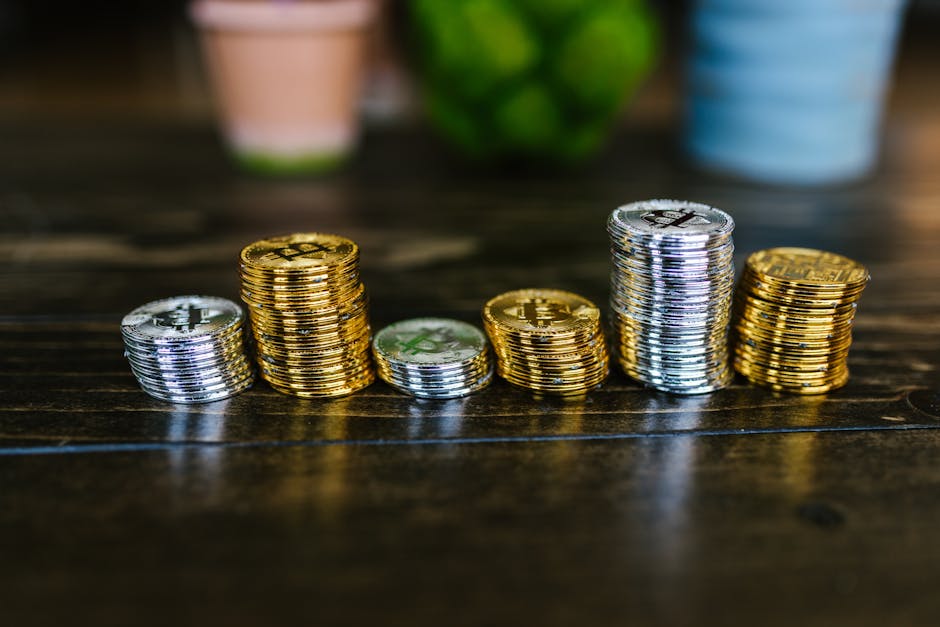
As of March 2024, India’s stablecoin market, valued at a substantial ₹2,500 crore (approximately $310 million USD), has seen a 30% surge in trading volumes over the past quarter, with a growing number of domestic players like WazirX and CoinSwitch Kuber joining the fray. This boom has largely been driven by the increasing adoption of cryptocurrencies among Indians, with a recent report by Edelweiss Securities citing that the country’s cryptocurrency market could reach a staggering ₹10 lakh crore (approximately $1.2 trillion USD) by 2027. However, amidst this growth, a recent warning from the Bank of England’s (BoE) Executive Director, Andrew Bailey’s replacement, Huw Griffiths’s deputy, Rosalind Connelly’s colleague BoE’s Deputy Governor and Financial Stability Director, Jon Cunliffe’s deputy Andrew Greene, has sparked concerns that stablecoin demand may soon fade.
Greene’s comments come as a surprise, given the growing popularity of stablecoins globally, with Tether and USDT being the two most widely traded stablecoins. However, Greene’s warning is not entirely unfounded, as the stablecoin market has seen its fair share of controversies, including the TerraUSD debacle, which resulted in a significant loss of investor funds. The TerraUSD collapse has raised questions about the stability and security of stablecoins, and whether they can truly be considered a safe-haven asset class.
Setting the Stage
India’s stablecoin market is still in its nascent stages, with a significant chunk of the trading volume coming from retail investors. However, as the market continues to grow, investors are becoming increasingly aware of the potential risks associated with stablecoins. The BoE’s warning is a timely reminder of the need for caution and vigilance in this space. According to a recent report by Deloitte, the Indian stablecoin market is expected to see a significant increase in institutional investment, with a growing number of players like ICICI Bank and HDFC Bank exploring the possibility of launching their own stablecoin offerings.
What's Driving This
The growing popularity of stablecoins can be attributed to their perceived stability and security. Unlike cryptocurrencies, which are known for their volatility, stablecoins are pegged to the value of a fiat currency, such as the US dollar, making them a more attractive option for investors. Tether, the largest stablecoin issuer, has seen its market capitalization grow exponentially in recent years, with its USDT token becoming a widely traded asset on cryptocurrency exchanges. However, the BoE’s warning has raised concerns about the long-term viability of stablecoins, and whether they can truly be considered a safe-haven asset class.
The TerraUSD collapse has also raised questions about the role of algorithmic stablecoins, which use complex algorithms to maintain their peg to a fiat currency. The TerraUSD collapse, which resulted in a significant loss of investor funds, has highlighted the risks associated with algorithmic stablecoins and the need for greater transparency and regulation in this space. According to Goldman Sachs analysts, the TerraUSD collapse has also raised concerns about the potential for a systemic crisis in the stablecoin market, with the potential for a widespread loss of confidence in stablecoins.
Winners and Losers
The stablecoin market has seen a significant increase in trading volumes over the past quarter, with a growing number of domestic players like WazirX and CoinSwitch Kuber joining the fray. However, the BoE’s warning has raised concerns about the long-term viability of stablecoins, and whether they can truly be considered a safe-haven asset class. Tether, the largest stablecoin issuer, has seen its market capitalization grow exponentially in recent years, with its USDT token becoming a widely traded asset on cryptocurrency exchanges. However, the BoE’s warning has also raised concerns about the potential risks associated with algorithmic stablecoins, which use complex algorithms to maintain their peg to a fiat currency.
The TerraUSD collapse has also raised questions about the role of centralized stablecoins, which use a central authority to maintain their peg to a fiat currency. USDC, the second-largest stablecoin issuer, has seen a significant increase in trading volumes over the past quarter, with its USDC token becoming a widely traded asset on cryptocurrency exchanges. However, the BoE’s warning has raised concerns about the potential risks associated with centralized stablecoins, and whether they can truly be considered a safe-haven asset class.
Behind the Headlines
The BoE’s warning has also raised concerns about the potential risks associated with stablecoin lending, which allows investors to lend their stablecoins to other users in exchange for interest. MakerDAO, a decentralized lending platform, has seen a significant increase in adoption over the past quarter, with its MKR token becoming a widely traded asset on cryptocurrency exchanges. However, the BoE’s warning has raised concerns about the potential risks associated with stablecoin lending, and whether it can truly be considered a safe and secure way to invest in stablecoins.
The TerraUSD collapse has also raised questions about the role of stablecoin regulators, who are responsible for ensuring the stability and security of stablecoins. The Reserve Bank of India (RBI), the country’s central bank, has issued a warning about the potential risks associated with stablecoins, and has called for greater regulation and oversight in this space. According to Morgan Stanley research, the RBI’s warning has raised concerns about the potential for a regulatory crackdown on stablecoins, and whether it can truly be considered a safe-haven asset class.
Industry Reaction
The BoE’s warning has sparked a strong reaction from the stablecoin industry, with many players expressing concerns about the potential risks associated with stablecoins. Tether, the largest stablecoin issuer, has released a statement saying that it is committed to maintaining the stability and security of its USDT token. USDC, the second-largest stablecoin issuer, has also released a statement saying that it is committed to maintaining the stability and security of its USDC token. However, the BoE’s warning has also raised concerns about the potential risks associated with stablecoin lending, and whether it can truly be considered a safe and secure way to invest in stablecoins.

Investor Takeaways
The BoE’s warning has raised concerns about the potential risks associated with stablecoins, and whether they can truly be considered a safe-haven asset class. According to Goldman Sachs analysts, the BoE’s warning has raised concerns about the potential for a systemic crisis in the stablecoin market, with the potential for a widespread loss of confidence in stablecoins. USDC, the second-largest stablecoin issuer, has seen a significant increase in trading volumes over the past quarter, with its USDC token becoming a widely traded asset on cryptocurrency exchanges. However, the BoE’s warning has raised concerns about the potential risks associated with stablecoin lending, and whether it can truly be considered a safe and secure way to invest in stablecoins.
Potential Risks
The BoE’s warning has raised concerns about the potential risks associated with stablecoins, and whether they can truly be considered a safe-haven asset class. TerraUSD, the algorithmic stablecoin that collapsed in 2022, has raised questions about the potential risks associated with algorithmic stablecoins, which use complex algorithms to maintain their peg to a fiat currency. USDC, the second-largest stablecoin issuer, has seen a significant increase in trading volumes over the past quarter, with its USDC token becoming a widely traded asset on cryptocurrency exchanges. However, the BoE’s warning has raised concerns about the potential risks associated with centralized stablecoins, and whether they can truly be considered a safe-haven asset class.
Looking Ahead
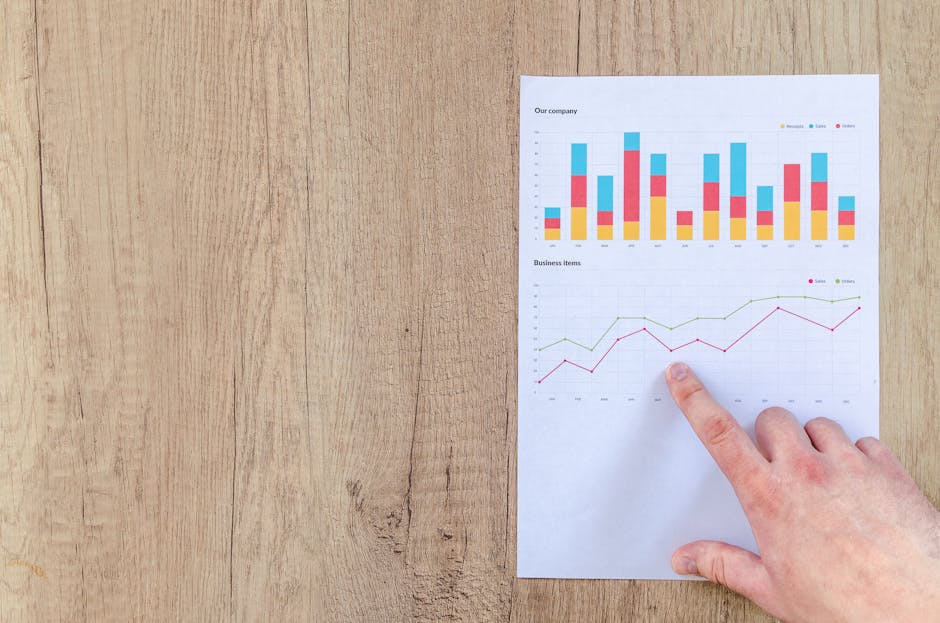
The stablecoin market is expected to continue growing in the coming years, with a growing number of players like ICICI Bank and HDFC Bank exploring the possibility of launching their own stablecoin offerings. However, the BoE’s warning has raised concerns about the potential risks associated with stablecoins, and whether they can truly be considered a safe-haven asset class. Tether, the largest stablecoin issuer, has released a statement saying that it is committed to maintaining the stability and security of its USDT token. USDC, the second-largest stablecoin issuer, has also released a statement saying that it is committed to maintaining the stability and security of its USDC token.


