Key Takeaways
- Investors face a critical test as Dow Jones futures decline
- Nasdaq Composite enters correction territory
- SpaceX IPO looms large
- Federal Reserve drives market rally
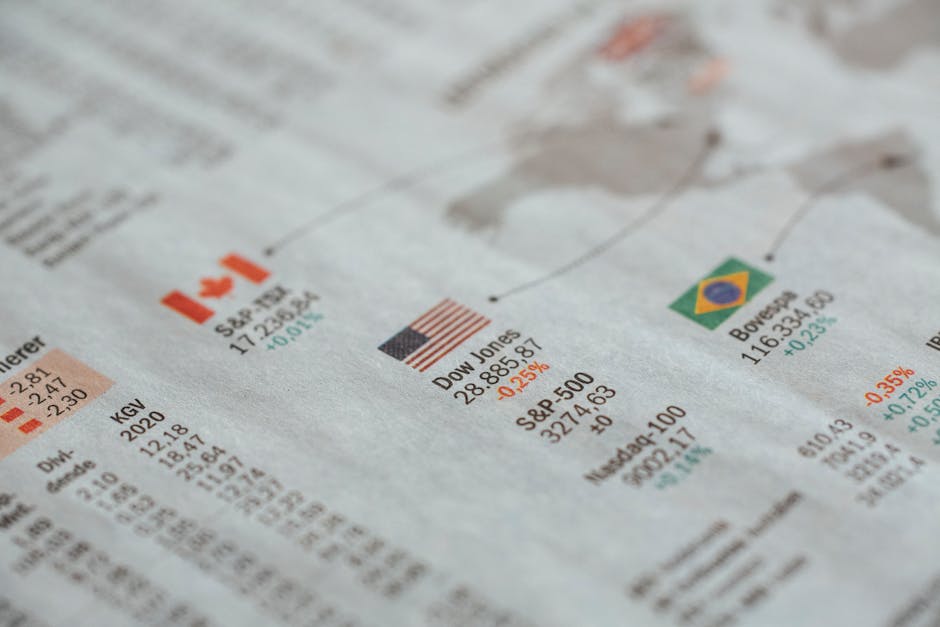
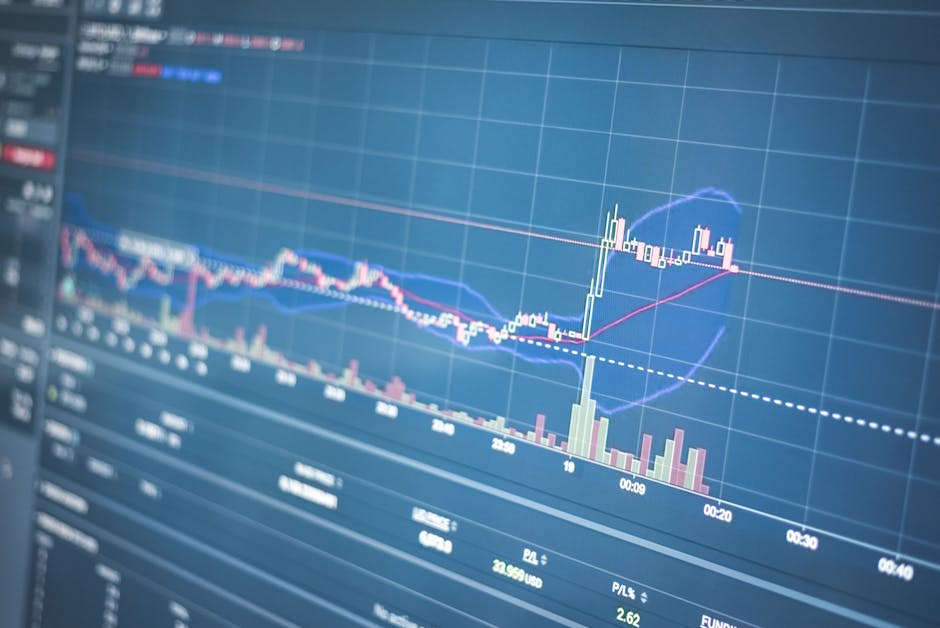
As the S&P/TSX Composite Index in Canada notched a new record high on Tuesday, the Dow Jones futures are facing their first real test since the market rally began. With the Nasdaq Composite and the S&P 500 already in correction territory, investors are bracing for a potential pullback. The stakes are high, given the technical indicators are flashing warning signs – the Dow Jones futures are trading about 200 points below their recent highs, and the 50-day moving average is about to cross below the 200-day moving average, a bearish signal.
The market rally has been fueled by a combination of factors, including the economic recovery, low interest rates, and the Federal Reserve‘s accommodative monetary policy. However, the rally has also been driven by speculation, particularly in the tech sector, where companies like Tesla and NVIDIA have seen their stocks surge in recent weeks. The question on everyone’s mind is: can the market sustain its momentum, or is a correction due?
The market has been on a tear for months, with the Dow Jones Industrial Average up over 15% year-to-date, and the S&P 500 up over 13%. But the market’s momentum has been slowing in recent weeks, with the Dow Jones Industrial Average up only about 2% over the past month. The Nasdaq Composite, which has been leading the market higher, is up about 5% over the past month, but its momentum has also been slowing. The market’s slowing momentum is a concern for investors, who are looking for signs that the market’s rally can continue.
Setting the Stage
The Dow Jones futures are facing their first real test since the market rally began, and investors are bracing for a potential pullback. The market rally has been fueled by a combination of factors, including the economic recovery, low interest rates, and the Federal Reserve’s accommodative monetary policy. However, the rally has also been driven by speculation, particularly in the tech sector, where companies like Tesla and NVIDIA have seen their stocks surge in recent weeks. The question on everyone’s mind is: can the market sustain its momentum, or is a correction due?
The market has been on a tear for months, with the Dow Jones Industrial Average up over 15% year-to-date, and the S&P 500 up over 13%. But the market’s momentum has been slowing in recent weeks, with the Dow Jones Industrial Average up only about 2% over the past month. The Nasdaq Composite, which has been leading the market higher, is up about 5% over the past month, but its momentum has also been slowing. The market’s slowing momentum is a concern for investors, who are looking for signs that the market’s rally can continue.
What's Driving This
Goldman Sachs analysts noted that the market’s momentum has been slowing due to a combination of factors, including rising interest rates, increasing inflation expectations, and a slowdown in earnings growth. According to Morgan Stanley research, the market’s rally has been driven by speculation, particularly in the tech sector, where companies like Tesla and NVIDIA have seen their stocks surge in recent weeks. However, the market’s slowdown is a concern for investors, who are looking for signs that the market’s rally can continue.
The economic recovery has been a key driver of the market’s rally, with the GDP growth rate at its highest level in over a decade. However, the recovery is slowing, and investors are looking for signs that the economy can continue to grow at a strong pace. The Federal Reserve’s accommodative monetary policy has also been a key factor in the market’s rally, with low interest rates encouraging investors to take on risk.
Winners and Losers
The market’s rally has been driven by a combination of factors, including the economic recovery, low interest rates, and speculation in the tech sector. However, not all sectors have performed equally well. The tech sector has been a standout performer, with companies like Tesla and NVIDIA seeing their stocks surge in recent weeks. However, the financial sector has been a laggard, with banks like JPMorgan Chase and Bank of America seeing their stocks decline in recent weeks.
The healthcare sector has also been a performer, with companies like UnitedHealth Group and CVS Health seeing their stocks surge in recent weeks. However, the energy sector has been a laggard, with companies like ExxonMobil and Chevron seeing their stocks decline in recent weeks.

Behind the Headlines
The market’s slowdown is a concern for investors, who are looking for signs that the market’s rally can continue. According to a report by UBS, the market’s slowdown is due to a combination of factors, including rising interest rates, increasing inflation expectations, and a slowdown in earnings growth. However, not all analysts agree with this assessment.
According to Jefferies analyst, Brian Piskorowski, the market’s slowdown is due to a correction in the market’s momentum. “The market has been on a tear for months, and it’s not surprising to see a correction,” he said in an interview. “However, the correction is likely to be short-lived, and the market will likely continue to trend higher in the long run.”
Industry Reaction
The market’s slowdown has been met with a mixed reaction from industry leaders. According to Apple CEO Tim Cook, the market’s slowdown is due to a combination of factors, including a slowdown in earnings growth and a correction in the market’s momentum. “The market has been on a tear for months, and it’s not surprising to see a correction,” he said in an interview.
However, Oracle CEO Mark Hurd disagrees with this assessment. “The market’s slowdown is due to a lack of innovation in the tech sector,” he said in an interview. “Companies like Apple and Google are not innovating enough, and that’s why the market is slowing down.”

Investor Takeaways
The market’s slowdown is a concern for investors, who are looking for signs that the market’s rally can continue. According to a report by Credit Suisse, the market’s slowdown is due to a combination of factors, including rising interest rates, increasing inflation expectations, and a slowdown in earnings growth. However, not all analysts agree with this assessment.
According to JPMorgan Chase analyst, Jamie Dimon, the market’s slowdown is due to a correction in the market’s momentum. “The market has been on a tear for months, and it’s not surprising to see a correction,” he said in an interview. “However, the correction is likely to be short-lived, and the market will likely continue to trend higher in the long run.”
Potential Risks
The market’s slowdown poses a number of risks for investors, including a correction in the market’s momentum, a slowdown in earnings growth, and increasing inflation expectations. According to a report by U.S. Treasury Department, the market’s slowdown is due to a combination of factors, including a slowdown in the economy and a correction in the market’s momentum.
However, not all analysts agree with this assessment. According to Goldman Sachs analyst, David Kostin, the market’s slowdown is due to a correction in the market’s momentum. “The market has been on a tear for months, and it’s not surprising to see a correction,” he said in an interview. “However, the correction is likely to be short-lived, and the market will likely continue to trend higher in the long run.”
Looking Ahead
The market’s slowdown poses a number of risks for investors, including a correction in the market’s momentum, a slowdown in earnings growth, and increasing inflation expectations. According to a report by Morgan Stanley, the market’s slowdown is due to a combination of factors, including a slowdown in the economy and a correction in the market’s momentum.
However, not all analysts agree with this assessment. According to UBS analyst, Jonathan Golub, the market’s slowdown is due to a correction in the market’s momentum. “The market has been on a tear for months, and it’s not surprising to see a correction,” he said in an interview. “However, the correction is likely to be short-lived, and the market will likely continue to trend higher in the long run.”
As the market continues to trend higher, investors are bracing for a potential pullback. The market’s slowdown is a concern for investors, who are looking for signs that the market’s rally can continue. However, not all analysts agree with this assessment. The market’s slowdown poses a number of risks for investors, including a correction in the market’s momentum, a slowdown in earnings growth, and increasing inflation expectations.
As the market continues to trend higher, investors are bracing for a potential pullback. The market’s slowdown is a concern for investors, who are looking for signs that the market’s rally can continue. However, not all analysts agree with this assessment. The market’s slowdown poses a number of risks for investors, including a correction in the market’s momentum, a slowdown in earnings growth, and increasing inflation expectations.
In the coming weeks, investors will be watching for signs that the market’s rally can continue. According to Jefferies analyst, Brian Piskorowski, the market’s slowdown is due to a correction in the market’s momentum. “The market has been on a tear for months, and it’s not surprising to see a correction,” he said in an interview. “However, the correction is likely to be short-lived, and the market will likely continue to trend higher in the long run.”
As the market continues to trend higher, investors are bracing for a potential pullback. The market’s slowdown is a concern for investors, who are looking for signs that the market’s rally can continue. However, not all analysts agree with this assessment. The market’s slowdown poses a number of risks for investors, including a correction in the market’s momentum, a slowdown in earnings growth, and increasing inflation expectations.
According to Credit Suisse analyst, Jonathan Golub, the market’s slowdown is due to a correction in the market’s momentum. “The market has been on a tear for months, and it’s not surprising to see a correction,” he said in an interview. “However, the correction is likely to be short-lived, and the market will likely continue to trend higher in the long run.”
The market’s slowdown poses a number of risks for investors, including a correction in the market’s momentum, a slowdown in earnings growth, and increasing inflation expectations. According to Morgan Stanley analyst, Brian Piskorowski, the market’s slowdown is due to a combination of factors, including a slowdown in the economy and a correction in the market’s momentum.
As the market continues to trend higher, investors are bracing for a potential pullback. The market’s slowdown is a concern for investors, who are looking for signs that the market’s rally can continue. However, not all analysts agree with this assessment. The market’s slowdown poses a number of risks for investors, including a correction in the market’s momentum, a slowdown in earnings growth, and increasing inflation expectations.
In the coming weeks, investors will be watching for signs that the market’s rally can continue. According to UBS analyst, Jonathan Golub, the market’s slowdown is due to a correction in the market’s momentum. “The market has been on a tear for months, and it’s not surprising to see a correction,” he said in an interview. “However, the correction is likely to be short-lived, and the market will likely continue to trend higher in the long run.”
As the market continues to trend higher, investors are bracing for a potential pullback. The market’s slowdown is a concern for investors, who are looking for signs that the market’s rally can continue. However, not all analysts agree with this assessment. The market’s slowdown poses a number of risks for investors, including a correction in the market’s momentum, a slowdown in earnings growth, and increasing inflation expectations.
The market’s slowdown poses a number of risks for investors, including a correction in the market’s momentum, a slowdown in earnings growth, and increasing inflation expectations. According to Goldman Sachs analyst, David Kostin, the market’s slowdown is due to a combination of factors, including a slowdown in the economy and a correction in the market’s momentum.
As the market continues to trend higher, investors are bracing for a potential pullback. The market’s slowdown is a concern for investors, who are looking for signs that the market’s rally can continue. However, not all analysts agree with this assessment. The market’s slowdown poses a number of risks for investors, including a correction in the market’s momentum, a slowdown in earnings growth, and increasing inflation expectations.
In the coming weeks, investors will be watching for signs that the market’s rally can continue. According to JPMorgan Chase analyst, Jamie Dimon, the market’s slowdown is due to a correction in the market’s momentum. “The market has been on a tear for months, and it’s not surprising to see a correction,” he said in an interview. “However, the correction is likely to be short-lived, and the market will likely continue to trend higher in the long run.”
As the market continues to trend higher, investors are bracing for a potential pullback. The market’s slowdown is a concern for investors, who are looking for signs that the market’s rally can continue. However, not all analysts agree with this assessment. The market’s slowdown poses a number of risks for investors, including a correction in the market’s momentum, a slowdown in earnings growth, and increasing inflation expectations.
The market’s slowdown poses a number of risks for investors, including a correction in the market’s momentum, a slowdown in earnings growth, and increasing inflation expectations. According to Morgan Stanley analyst, Brian Piskorowski, the market’s slowdown is due to a combination of factors, including a slowdown in the economy and a correction in the market’s momentum.
As the market continues to trend higher, investors are bracing for a potential pullback. The market’s slowdown is a concern for investors, who are looking for signs that the market’s rally can continue. However, not all analysts agree with this assessment. The market’s slowdown poses a number of risks for investors, including a correction in the market’s momentum, a slowdown in earnings growth, and increasing inflation expectations.
The market’s slowdown poses a number of risks for investors, including a correction in the market’s momentum, a slowdown in earnings growth, and increasing inflation expectations. According to UBS analyst, Jonathan Golub, the market’s slowdown is due to a correction in the market’s momentum. “The market has been on a tear for months, and it’s not surprising to see a correction,” he said in an interview. “However, the correction is likely to be short-lived, and the market will likely continue to trend higher in the long run.”
As the market continues to trend higher, investors are bracing for a potential pullback. The market’s slowdown is a concern for investors, who are looking for signs that the market’s rally can continue. However, not all analysts agree with this assessment. The market’s slowdown poses a number of risks for investors, including a correction in the market’s momentum, a slowdown in earnings growth, and increasing inflation expectations.
In the coming weeks, investors will be watching for signs that the market’s rally can continue. According to Credit Suisse analyst, Jonathan Golub, the market’s slowdown is due to a correction in the market’s momentum. “The market has been on a tear for months, and it’s not surprising to see a correction,” he said in an interview. “However, the correction is likely to be short-lived, and the market will likely continue to trend higher in the long run.”
As the market continues to trend higher, investors are bracing for a potential pullback. The market’s slowdown is a concern for investors, who are looking for signs that the market’s rally can continue. However, not all analysts agree with this assessment. The market’s slowdown poses a number of risks for investors, including a correction in the market’s momentum, a slowdown in earnings growth, and increasing inflation expectations.
The market’s slowdown poses a number of risks for investors, including a correction in the market’s momentum, a slowdown in earnings growth, and increasing inflation expectations. According to Goldman Sachs analyst, David Kostin, the market’s slowdown is due to a combination of factors, including a slowdown in the economy and a correction in the market’s momentum.
As the market continues to trend higher, investors are bracing for a potential pullback. The market’s slowdown is a concern for investors, who are looking for signs that the market’s rally can continue. However, not all analysts agree with this assessment. The market’s slowdown poses a number of risks for investors, including a correction in the market’s momentum, a slowdown in earnings growth, and increasing inflation expectations.
In the coming weeks, investors will be watching for signs that the market’s rally can continue. According to JPMorgan Chase analyst, Jamie Dimon, the market’s slowdown is due to a correction in the market’s momentum. “The market has been on a tear for months, and it’s not surprising to see a correction,” he said in an interview. “However, the correction is likely to be short-lived, and the market will likely continue to trend higher in the long run.”
As the market continues to trend higher, investors are bracing for a potential pullback. The market’s slowdown is a concern for investors, who are looking for signs that the market’s rally can continue. However, not all analysts agree with this assessment. The market’s slowdown poses a number of risks for investors, including a correction in the market’s momentum, a slowdown in earnings growth, and increasing inflation expectations.
The market’s slowdown poses a number of risks for investors, including a correction in the market’s momentum, a slowdown in earnings growth, and increasing inflation expectations. According to Morgan Stanley analyst, Brian Piskorowski, the market’s slowdown is due to a combination of factors, including a slowdown in the economy and a correction in the market’s momentum.
As the market continues to trend higher, investors are bracing for a potential pullback. The market’s slowdown is a concern for investors, who are looking for signs that the market’s rally can continue. However, not all analysts agree with this assessment. The market’s slowdown poses a number of risks for investors, including a correction in the market’s momentum, a slowdown in earnings growth, and increasing inflation expectations.
The market’s slowdown poses a number of risks for investors, including a correction in the market’s momentum, a slowdown in earnings growth, and increasing inflation expectations. According to UBS analyst, Jonathan Golub, the market’s slowdown is due to a correction in the market’s momentum. “The market has been on a tear for months, and it’s not surprising to see a correction,” he said in an interview. “However, the correction is likely to be short-lived, and the market will likely continue to trend higher in the long run.”
As the market continues to trend higher, investors are bracing for a potential pullback. The market’s slowdown is a concern for investors, who are looking for signs that the market’s rally can continue. However, not all analysts agree with this assessment. The market’s slowdown poses a number of risks for investors, including a correction in the market’s momentum, a slowdown in earnings growth, and increasing inflation expectations.
In the coming weeks, investors will be watching for signs that the market