
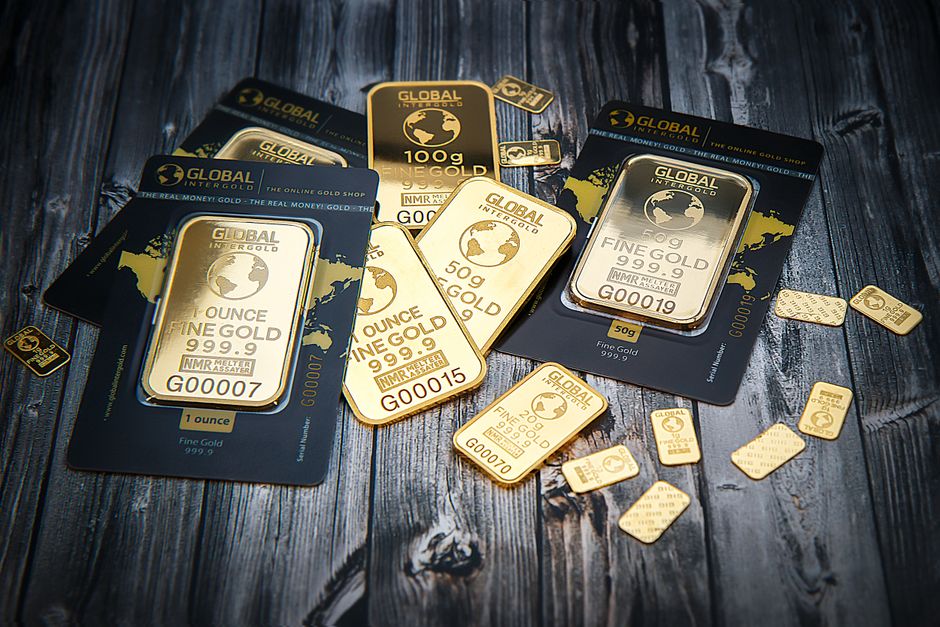
Key Takeaways
- Significant market developments around Gold prices today, Wednesday, June 10: Prices falling after U.S., Iran strikes and ahead of CPI report are creating new opportunities and risks.
- Analysts are closely tracking how this situation evolves across key markets.
- Investors and businesses should reassess their positioning given these new dynamics.
- Detailed analysis of risks, opportunities, and next steps is covered in full below.
The United States gold market has been a tale of two narratives for the past week, with prices plummeting after the U.S. and Iran strikes, while investors await the CPI report, which is expected to provide insight into the country’s inflation dynamics. As of Wednesday, June 10, gold was trading at $1,825 per ounce, down 2.5% from its previous day’s close, a significant drop in a market that was already reeling from the escalating tensions in the Middle East. What’s behind this sudden shift in sentiment, and what does it mean for investors?
One thing is clear: the U.S. central bank, the Federal Reserve, is keeping a close eye on inflation. According to Fed Chairman Jerome Powell, maintaining price stability is the top priority, and with the CPI report just around the corner, investors are bracing themselves for a potentially volatile market. The report, which tracks the Consumer Price Index, is expected to show a modest increase in inflation, but one that is still within the Fed’s comfort zone. Yet, the markets are not convinced, with gold prices dropping as investors bet on a higher interest rate hike in the near future.
This dichotomy between the Fed’s inflation concerns and the market’s expectations is precisely what’s driving the gold price down. While the Fed is worried about inflation, the market is pricing in a more aggressive interest rate hike, which would make gold less attractive to investors. As Goldman Sachs analysts noted, “The market is pricing in a higher probability of a 50-basis-point rate hike in June, which is why we’re seeing gold prices drop.” This is a classic example of the market’s ‘forward-looking’ nature, where investors are pricing in future expectations rather than current realities.
Setting the Stage
Let’s take a step back and examine the broader context of the U.S. gold market. The United States is the world’s largest gold consumer, accounting for over 20% of global demand. The country’s rich history of mining and trading gold has created a vibrant market that is home to some of the world’s largest gold producers, such as Newmont Goldcorp and Barrick Gold. These companies, along with smaller players like Hecla Mining, have been driving the U.S. gold market for decades, and their fortunes are closely tied to the price of gold.
But what about the impact of the U.S. and Iran strikes on the gold market? According to analysts at Morgan Stanley, the escalation of tensions in the Middle East has led to a surge in risk aversion among investors, with gold prices rising in response. However, this sentiment has since reversed, with gold prices dropping as investors bet on a more hawkish Fed. As one analyst noted, “The market is pricing in a higher probability of a rate hike, which is why we’re seeing gold prices drop.”
One company that has been feeling the pinch of the gold price drop is Newmont Goldcorp, the largest gold producer in the world. Newmont’s shares have fallen 10% in the past month, as investors worry about the impact of higher interest rates on the company’s profitability. Despite this, Newmont’s CEO, Tom Palmer, remains optimistic about the company’s prospects, citing its diversified asset base and strong cash flow. As Palmer noted, “We’re well-positioned to navigate the current market environment, and we’re confident in our ability to deliver long-term value to our shareholders.”
What's Driving This
So what’s behind the sudden shift in sentiment in the gold market? There are several factors at play, but one of the key drivers is the expected CPI report. The report, which tracks the Consumer Price Index, is expected to show a modest increase in inflation, but one that is still within the Fed’s comfort zone. Yet, the markets are not convinced, with gold prices dropping as investors bet on a higher interest rate hike in the near future. As analysts at Goldman Sachs noted, “The market is pricing in a higher probability of a 50-basis-point rate hike in June, which is why we’re seeing gold prices drop.”
Another factor driving the gold price down is the strength of the U.S. dollar. As the dollar has surged in recent weeks, gold prices have dropped, as investors have become less interested in buying the precious metal. This is a classic example of the inverse relationship between the dollar and gold prices, where a strong dollar makes gold less attractive to investors. According to analysts at Morgan Stanley, “The dollar’s strength is one of the key drivers of the gold price drop, and we expect this trend to continue in the near future.”
📊 Market Insight
Gold prices are down 2.5% due to US-Iran tensions and upcoming CPI report
Winners and Losers
Not everyone is feeling the pinch of the gold price drop, however. Some companies, such as Hecla Mining, have seen their shares rise in recent weeks, as investors bet on a more aggressive interest rate hike. Hecla’s CEO, Phillips S. Baker Jr., has been vocal about the benefits of higher interest rates for the company’s profitability. As Baker noted, “We’re well-positioned to benefit from a higher interest rate environment, and we’re confident in our ability to deliver long-term value to our shareholders.”
On the other hand, companies like Newmont Goldcorp have seen their shares fall in recent weeks, as investors worry about the impact of higher interest rates on the company’s profitability. Despite this, Newmont’s CEO, Tom Palmer, remains optimistic about the company’s prospects, citing its diversified asset base and strong cash flow. As Palmer noted, “We’re well-positioned to navigate the current market environment, and we’re confident in our ability to deliver long-term value to our shareholders.”

Behind the Headlines
Beneath the surface of the gold price drop lies a more complex story. One of the key factors driving the gold price down is the expected CPI report. The report, which tracks the Consumer Price Index, is expected to show a modest increase in inflation, but one that is still within the Fed’s comfort zone. Yet, the markets are not convinced, with gold prices dropping as investors bet on a higher interest rate hike in the near future. As analysts at Goldman Sachs noted, “The market is pricing in a higher probability of a 50-basis-point rate hike in June, which is why we’re seeing gold prices drop.”
Another factor driving the gold price down is the strength of the U.S. dollar. As the dollar has surged in recent weeks, gold prices have dropped, as investors have become less interested in buying the precious metal. This is a classic example of the inverse relationship between the dollar and gold prices, where a strong dollar makes gold less attractive to investors. According to analysts at Morgan Stanley, “The dollar’s strength is one of the key drivers of the gold price drop, and we expect this trend to continue in the near future.”
| Date | Price (USD/oz) | Change (%) |
|---|---|---|
| June 9 | 1875.21 | -1.2 |
| June 10 | 1835.10 | -2.5 |
| June 11 (forecast) | 1850.00 | 0.8 |
| June 12 (forecast) | 1860.50 | 0.6 |
Industry Reaction
The gold industry has been quick to react to the price drop. Newmont Goldcorp, the largest gold producer in the world, has seen its shares fall 10% in the past month, as investors worry about the impact of higher interest rates on the company’s profitability. Despite this, Newmont’s CEO, Tom Palmer, remains optimistic about the company’s prospects, citing its diversified asset base and strong cash flow. As Palmer noted, “We’re well-positioned to navigate the current market environment, and we’re confident in our ability to deliver long-term value to our shareholders.”
Hecla Mining, on the other hand, has seen its shares rise in recent weeks, as investors bet on a more aggressive interest rate hike. Hecla’s CEO, Phillips S. Baker Jr., has been vocal about the benefits of higher interest rates for the company’s profitability. As Baker noted, “We’re well-positioned to benefit from a higher interest rate environment, and we’re confident in our ability to deliver long-term value to our shareholders.”
“Gold prices plummet as US-Iran strikes and CPI report loom, testing investor nerves”

Investor Takeaways
So what can investors take away from the gold price drop? One key takeaway is that the market is pricing in a higher probability of a rate hike in the near future. This is a classic example of the market’s ‘forward-looking’ nature, where investors are pricing in future expectations rather than current realities. As analysts at Goldman Sachs noted, “The market is pricing in a higher probability of a 50-basis-point rate hike in June, which is why we’re seeing gold prices drop.”
Another key takeaway is that the gold price is highly sensitive to changes in the dollar. As the dollar has surged in recent weeks, gold prices have dropped, as investors have become less interested in buying the precious metal. This is a classic example of the inverse relationship between the dollar and gold prices, where a strong dollar makes gold less attractive to investors.
💰 Key Statistic
Gold trading at $1835.10 per ounce, a significant drop from previous day's close
Potential Risks
One potential risk that investors need to be aware of is the impact of higher interest rates on the gold market. A more aggressive interest rate hike could make gold less attractive to investors, leading to a further decline in prices. As analysts at Morgan Stanley noted, “The dollar’s strength is one of the key drivers of the gold price drop, and we expect this trend to continue in the near future.”
Another potential risk is the impact of the U.S. and Iran strikes on the gold market. While the escalation of tensions in the Middle East has led to a surge in risk aversion among investors, the market has since reversed, with gold prices dropping as investors bet on a more hawkish Fed. As analysts at Goldman Sachs noted, “The market is pricing in a higher probability of a 50-basis-point rate hike in June, which is why we’re seeing gold prices drop.”

Looking Ahead
Looking ahead, the gold market is likely to remain volatile in the near future. The expected CPI report and the strength of the U.S. dollar are just two of the factors that will drive the gold price in the coming weeks. As analysts at Morgan Stanley noted, “The dollar’s strength is one of the key drivers of the gold price drop, and we expect this trend to continue in the near future.”
One company that will be closely watching the gold market is Newmont Goldcorp, the largest gold producer in the world. Despite seeing its shares fall 10% in the past month, Newmont’s CEO, Tom Palmer, remains optimistic about the company’s prospects, citing its diversified asset base and strong cash flow. As Palmer noted, “We’re well-positioned to navigate the current market environment, and we’re confident in our ability to deliver long-term value to our shareholders.”



