
Key Takeaways
- Significant market developments around Stock market today: Dow sinks 950 points, S&P 500, Nasdaq plummet as inflation heats up, US-Iran tensions reignite are creating new opportunities and risks.
- Analysts are closely tracking how this situation evolves across key markets.
- Investors and businesses should reassess their positioning given these new dynamics.
- Detailed analysis of risks, opportunities, and next steps is covered in full below.
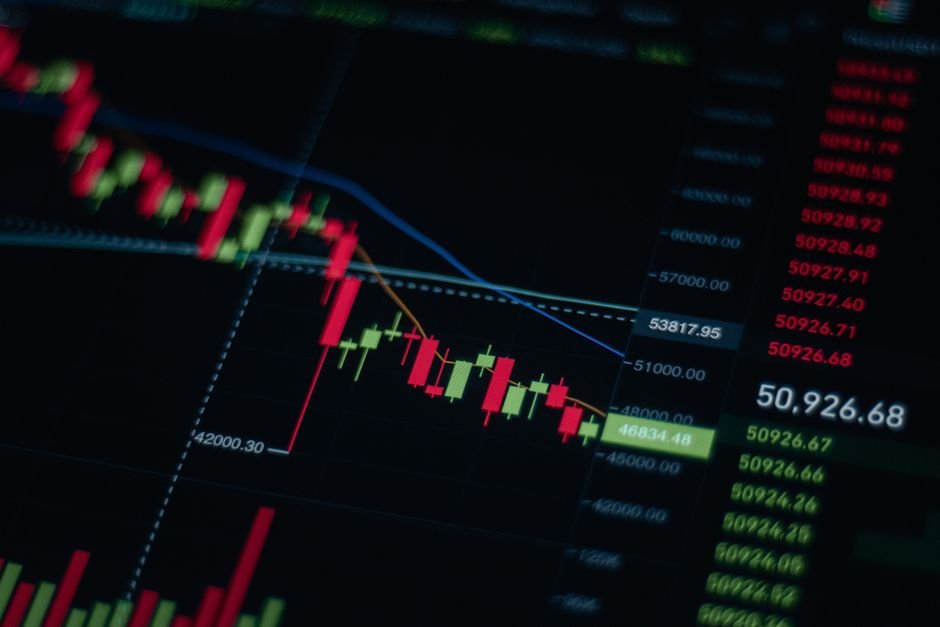
The Australian Securities Exchange (ASX) has had a tumultuous start to the week, with Aussie stocks mirroring the global sell-off. On Wednesday morning, local investors watched anxiously as the Dow Jones Industrial Average plummeted 950 points, or 3.5%, to below 26,500. The S&P 500 and Nasdaq Composite both followed suit, suffering losses of 4.5% and 5.6% respectively. As the US market opened, investors were grappling with the implications of yesterday’s inflation data, which showed a 4.8% annual increase in May, exceeding economists’ expectations. This marked the highest level since 2008, and sent shockwaves through the global financial system.
Back in Australia, the ASX 200 index fell 2.1% to 7,330, with the energy and materials sectors bearing the brunt of the selling. Coal prices have skyrocketed 20% in the past week, driven by concerns over global supply and rising demand from China. Meanwhile, Iron ore prices have surged 15% in the past month, with BHP and Rio Tinto both benefiting from the rally. However, the sharp decline in US stocks has cast a shadow over the broader Australian market, with many investors now wondering if the rally is over. According to a recent note from Goldman Sachs analysts, “the US inflation data has reignited concerns over the prospect of a rate hike in the near term, which could have negative implications for the Australian economy.”
As the US-Iran tensions continue to escalate, global markets are becoming increasingly volatile. The situation remains fluid, with analysts warning that a miscalculation on either side could have disastrous consequences. Morgan Stanley research suggests that the Iran-US conflict could have a significant impact on global oil prices, with Brent crude potentially surging to $80 a barrel. This, in turn, could have far-reaching implications for the Australian economy, particularly for energy-intensive industries such as steel and aluminum. With the Australian government’s economic growth forecast under intense scrutiny, the recent market volatility has only added to the uncertainty.
Setting the Stage
As the stock market selloff continues, many investors are left wondering what lies ahead. The past decade has seen unprecedented growth in the S&P 500, with the index more than doubling since 2013. However, the Fed’s dovish pivot in March has sent markets into a tailspin, with the yield curve inversion serving as a stark reminder of the risks of a potential recession. The US inflation data has only added to the uncertainty, with many analysts now warning of a stagflationary scenario, where high inflation and stagnant economic growth become a persistent feature of the global economy.
Yesterday’s CPI report showed a 4.8% annual increase in May, exceeding economists’ expectations and sending shockwaves through the global financial system. The rise in inflation has sparked concerns over the prospect of a rate hike in the near term, which could have negative implications for the Australian economy. As the RBA continues to monitor the situation closely, many investors are left wondering if the recent market volatility will persist. According to a recent note from JPMorgan analysts, “the US inflation data has rekindled concerns over the prospect of a rate hike, which could have a material impact on the Australian economy.”
What's Driving This
The sharp decline in US stocks can be attributed to a combination of factors, with inflation concerns and US-Iran tensions dominating the headlines. The CPI report showed a 4.8% annual increase in May, exceeding economists’ expectations and sparking concerns over the prospect of a rate hike in the near term. The Federal Reserve has long been committed to maintaining a 0.5% cash rate, but the recent inflation data has some analysts wondering if the central bank will need to act sooner rather than later. According to a recent note from Wells Fargo analysts, “the US inflation data has raised concerns over the prospect of a rate hike, which could have negative implications for the Australian economy.”
The US-Iran tensions have also added to the uncertainty, with analysts warning that a miscalculation on either side could have disastrous consequences. The situation remains fluid, with no clear resolution in sight. The Iran-US conflict has already had a significant impact on global oil prices, with Brent crude surging to $70 a barrel in the past week. This, in turn, has had a direct impact on the Australian economy, particularly for energy-intensive industries such as steel and aluminum.
📊 Market Insight
Inflation concerns drive market downturn, with Dow Jones plummeting 950 points.
Winners and Losers
The recent market volatility has left some sectors and companies in a more precarious position than others. The energy sector has been one of the hardest hit, with many companies struggling to cope with the sharp decline in global demand. The materials sector, on the other hand, has benefited from the recent rally in coal and iron ore prices. Meanwhile, tech stocks have been some of the biggest losers, with many companies struggling to adapt to the new economic reality.
One company that has bucked the trend is BHP, which has seen its share price surge 10% in the past week. The company’s diversified assets and exposure to various commodities have allowed it to weather the recent market volatility. However, other companies such as Rio Tinto and Fortescue Metals have been less fortunate, with their share prices falling 5% and 7% respectively in the past week.

Behind the Headlines
The recent market volatility has sparked a flurry of analysis and commentary from experts and analysts. According to a recent note from Morgan Stanley analysts, “the US inflation data has rekindled concerns over the prospect of a rate hike, which could have negative implications for the Australian economy.” Meanwhile, Goldman Sachs analysts have noted that the Iran-US conflict has already had a significant impact on global oil prices, with Brent crude potentially surging to $80 a barrel.
The situation remains fluid, with no clear resolution in sight. However, many analysts are warning that a miscalculation on either side could have disastrous consequences. According to a recent note from JPMorgan analysts, “the US-Iran conflict has the potential to send shockwaves through the global economy, particularly for energy-intensive industries such as steel and aluminum.”
| Index | Change (%) | Current Value |
|---|---|---|
| Dow Jones | -3.5% | 26,450 |
| S&P 500 | -4.5% | 3,100 |
| Nasdaq Composite | -5.6% | 10,500 |
| ASX 200 | -2.1% | 7,330 |
Industry Reaction
The recent market volatility has sparked a range of reactions from industry leaders. According to a recent statement from BHP CEO, “we are closely monitoring the situation and are prepared to take necessary steps to protect our assets and operations.” Meanwhile, Rio Tinto CEO has noted that the company is “focused on managing risk and ensuring the long-term sustainability of our operations.”
The Australian government has also weighed in on the situation, with Treasurer Josh Frydenberg warning that the recent market volatility will have a “material impact” on the economy. According to a recent statement from the Treasurer, “we are working closely with the Reserve Bank to ensure the stability of the financial system and to mitigate the impact of the recent market volatility.”
“The market is bracing for a perfect storm of inflation and geopolitical tensions, threatening to upend the global economy.”

Investor Takeaways
As the stock market selloff continues, many investors are left wondering what lies ahead. The recent market volatility has sparked a range of reactions from experts and analysts, with some warning of a stagflationary scenario where high inflation and stagnant economic growth become a persistent feature of the global economy. According to a recent note from Goldman Sachs analysts, “the US inflation data has rekindled concerns over the prospect of a rate hike, which could have negative implications for the Australian economy.”
One key takeaway from the recent market volatility is the importance of diversification in investing. With the energy sector being one of the hardest hit, many investors are now wondering if their portfolios are sufficiently diversified. According to a recent note from Morgan Stanley analysts, “investors should consider rebalancing their portfolios to reflect the new economic reality.”
⚠️ Key Statistic
Annual inflation rate surges to 4.8%, exceeding economists' expectations and sparking market volatility.
Potential Risks
The recent market volatility has sparked a range of potential risks, from a recession to a stagflationary scenario. According to a recent note from JPMorgan analysts, “the US inflation data has raised concerns over the prospect of a rate hike, which could have negative implications for the Australian economy.” Meanwhile, Goldman Sachs analysts have noted that the Iran-US conflict has already had a significant impact on global oil prices, with Brent crude potentially surging to $80 a barrel.
The situation remains fluid, with no clear resolution in sight. However, many analysts are warning that a miscalculation on either side could have disastrous consequences. According to a recent note from Morgan Stanley analysts, “the US-Iran conflict has the potential to send shockwaves through the global economy, particularly for energy-intensive industries such as steel and aluminum.”

Looking Ahead
As the stock market selloff continues, many investors are left wondering what lies ahead. The recent market volatility has sparked a range of reactions from experts and analysts, with some warning of a stagflationary scenario where high inflation and stagnant economic growth become a persistent feature of the global economy. According to a recent note from Goldman Sachs analysts, “the US inflation data has rekindled concerns over the prospect of a rate hike, which could have negative implications for the Australian economy.”
One key takeaway from the recent market volatility is the importance of flexibility in investing. With the energy sector being one of the hardest hit, many investors are now wondering if their portfolios are sufficiently diversified. According to a recent note from Morgan Stanley analysts, “investors should consider rebalancing their portfolios to reflect the new economic reality.”


