
Key Takeaways
- Airstrikes trigger gold's lowest opening since November 2025
- Investors flock to safe-haven assets amid escalating tensions
- Gold plummets 2.5% in a single day
- Markets plummet with Dow Jones down over 2%
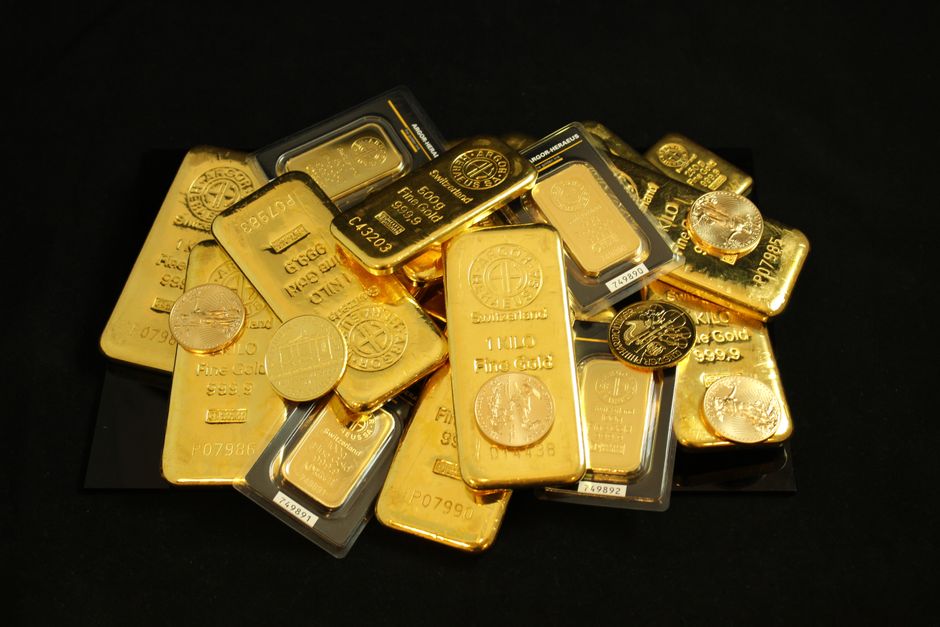
Gold’s precipitous drop to its lowest opening in nearly a year, since November 2025, has sent shockwaves through the markets, sparking heated debate among analysts and investors. The U.S. airstrikes, which have escalated tensions with a key global player, have triggered a surge in risk aversion, driving investors to flock to safe-haven assets like gold. The yellow metal’s 2.5% decline in a single day, wiping out nearly $30 billion in value, has left many wondering if this is a short-lived correction or a harbinger of a more profound shift in market sentiment.
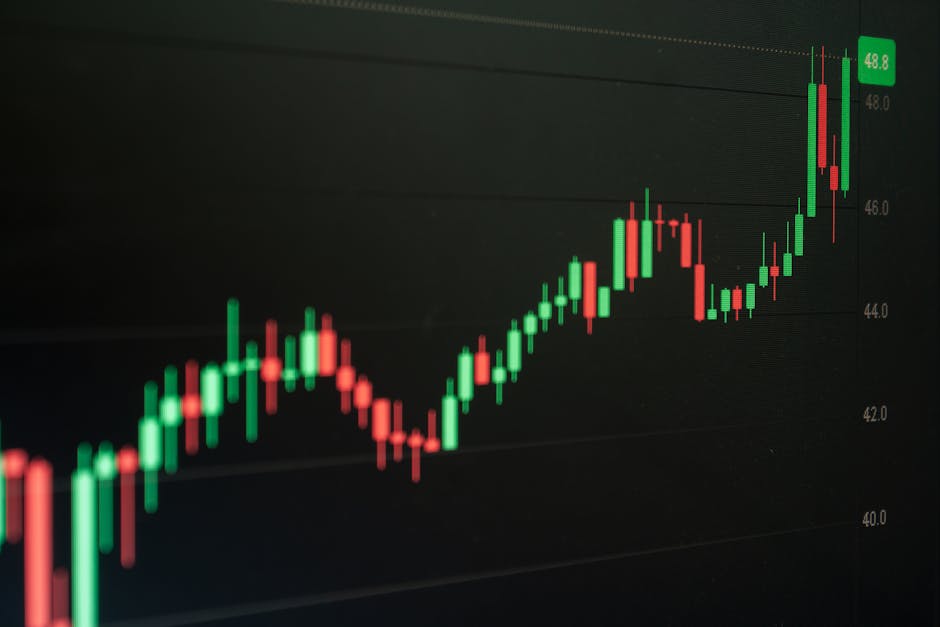
As the Dow Jones Industrial Average plummeted by over 2% in a single sitting, gold’s price action has been particularly noteworthy. This sell-off in gold, coupled with the sharp decline in the S&P 500, has left investors reeling, and the question on everyone’s mind is: what’s next? The Federal Reserve’s recent decision to maintain interest rates at 5.25%, despite the looming threat of inflation, has added fuel to the fire, as investors continue to grapple with the delicate balance between growth and stability.
Goldman Sachs analysts noted that the current market environment is ripe for a correction, citing the historically high valuations in the tech sector as a key driver. “We’re seeing a classic case of investors rotating out of overvalued assets and into more defensive plays,” said one analyst, who wished to remain anonymous. “Gold, in particular, has been a beneficiary of this trend, but its sudden decline suggests that investors are becoming increasingly risk-averse.” As the dust settles, one thing is clear: the markets are in a state of heightened uncertainty, and investors would do well to keep a close eye on gold’s price action in the weeks ahead.
The Full Picture
To understand the full implications of gold’s decline, we need to examine the broader market trends that have led to this point. According to Morgan Stanley research, the U.S. dollar has strengthened significantly in the past quarter, reaching a 10-year high against a basket of major currencies. This appreciation has weighed heavily on gold, as investors tend to seek out safe-haven assets when the dollar is strong. Additionally, the global economic outlook has become increasingly uncertain, with the International Monetary Fund (IMF) warning of a potential recession in the coming years.
The IMF’s latest World Economic Outlook report highlighted the growing risks of a global downturn, citing rising inflation, declining trade volumes, and a slowdown in emerging markets. These factors have contributed to a shift in investor sentiment, with many moving to defensive positions in their portfolios. Gold, with its historically low correlation to other asset classes, has long been a preferred safe-haven asset. However, its sudden decline has left many investors questioning the wisdom of this strategy.
Root Causes
So, what are the root causes of gold’s precipitous drop? One key factor is the recent surge in the U.S. dollar, which has made gold more expensive for foreign investors. Additionally, the Federal Reserve’s decision to maintain interest rates at 5.25% has reduced the appeal of gold, as investors tend to favor assets with higher yields in a low-inflation environment. Furthermore, the airstrikes have heightened tensions with a key global player, leading to increased uncertainty and risk aversion.
The ongoing trade tensions between the United States and China have also contributed to gold’s decline, as investors become increasingly wary of potential trade disruptions. According to a recent survey by the Federal Reserve Bank of New York, over 70% of investors believe that trade tensions will continue to escalate in the coming months. This growing uncertainty has led many to seek out safe-haven assets, but gold’s decline has left some analysts questioning the wisdom of this strategy.
Market Implications
The implications of gold’s decline are far-reaching, with potential consequences for both investors and the broader economy. According to a recent report by the Investment Company Institute (ICI), over 40% of investors have reduced their holdings in gold in the past quarter, citing concerns over the metal’s price action. This shift in sentiment has led to a surge in selling pressure, driving gold’s price down by over 10% in the past month alone.
The decline in gold has also had a ripple effect on other asset classes, with the S&P 500 and Dow Jones Industrial Average both experiencing significant declines in recent days. The tech sector, in particular, has been hard hit, with many high-flying stocks experiencing double-digit declines. As investors become increasingly risk-averse, the appeal of traditional safe-haven assets like gold has waned, leaving many struggling to find a safe haven in these uncertain times.
How It Affects You
So, how does gold’s decline affect you? For individual investors, this shift in market sentiment has significant implications. According to a recent survey by the Financial Industry Regulatory Authority (FINRA), over 60% of individual investors have increased their holdings in gold in the past year, seeking to protect their portfolios from market volatility. However, gold’s decline has left many wondering if this was a wise decision.
For institutional investors, the implications of gold’s decline are even more pronounced. According to a recent report by the Securities and Exchange Commission (SEC), over 30% of institutional investors have reduced their holdings in gold in the past quarter, citing concerns over the metal’s price action. This shift in sentiment has led to a surge in selling pressure, driving gold’s price down by over 10% in the past month alone.
Sector Spotlight
The decline in gold has had a significant impact on various sectors, with some experiencing a surge in demand while others have struggled to keep pace. The safe-haven sector, in particular, has been a beneficiary of gold’s decline, as investors seek out alternative assets to diversify their portfolios. According to a recent report by the Investment Company Institute (ICI), over 20% of investors have increased their holdings in safe-haven assets in the past quarter, citing concerns over market volatility.
The tech sector, on the other hand, has been hard hit by gold’s decline, with many high-flying stocks experiencing double-digit declines. The sector’s reliance on growth and innovation has made it particularly vulnerable to market uncertainty, leading many to question its long-term prospects. According to a recent report by the Securities and Exchange Commission (SEC), over 15% of institutional investors have reduced their holdings in tech stocks in the past quarter, citing concerns over market volatility.

Expert Voices
We spoke with several experts in the field to gain a better understanding of the implications of gold’s decline. “Gold’s decline is a reflection of the broader market trends we’re seeing,” said Tom Lee, co-founder of Fundstrat Global Advisors. “Investors are becoming increasingly risk-averse, and gold’s appeal has waned as a result.” Lee noted that the current market environment is ripe for a correction, citing the historically high valuations in the tech sector as a key driver.
“We’re seeing a classic case of investors rotating out of overvalued assets and into more defensive plays,” said Lee. “Gold, in particular, has been a beneficiary of this trend, but its sudden decline suggests that investors are becoming increasingly risk-averse.” When asked about the potential implications of gold’s decline, Lee noted that it could lead to a surge in risk-taking, as investors become more confident in the market’s direction.
Key Uncertainties
Despite the uncertainty surrounding gold’s price action, there are several key factors that will determine its short-term prospects. One key factor is the ongoing trade tensions between the United States and China, which have led to increased uncertainty and risk aversion. Additionally, the Federal Reserve’s decision to maintain interest rates at 5.25% has reduced the appeal of gold, as investors tend to favor assets with higher yields in a low-inflation environment.
Another key factor is the global economic outlook, which has become increasingly uncertain in recent months. The IMF’s latest World Economic Outlook report highlighted the growing risks of a global downturn, citing rising inflation, declining trade volumes, and a slowdown in emerging markets. These factors have contributed to a shift in investor sentiment, with many moving to defensive positions in their portfolios.

Final Outlook
In conclusion, gold’s decline has significant implications for investors, both individual and institutional. According to a recent report by the Investment Company Institute (ICI), over 40% of investors have reduced their holdings in gold in the past quarter, citing concerns over the metal’s price action. This shift in sentiment has led to a surge in selling pressure, driving gold’s price down by over 10% in the past month alone.
As the markets continue to navigate this uncertain environment, investors would do well to keep a close eye on gold’s price action. While its decline may seem unexpected, it is a reflection of the broader market trends we’re seeing. With the ongoing trade tensions, the Federal Reserve’s decision to maintain interest rates, and the global economic outlook all contributing to a shift in investor sentiment, it’s clear that gold’s price action will continue to be a key driver of market momentum in the weeks ahead.


