
Key Takeaways
- Futures surge 2.2% on Dow Jones
- Oil prices plummet 4.4% overnight
- Investors flock to safe-haven assets
- Markets rebound on US-Iran pact
The FTSE 100 index in the United Kingdom has surged 2.4% in early trading, with investors flocking to safe-haven assets amidst the US-Iran pact to reopen the Strait of Hormuz. This comes as a relief to energy giants BP and Royal Dutch Shell, whose stocks have risen by 3.5% and 2.9% respectively. The deal, announced late last night, has sent shockwaves through the global markets, with oil prices plummeting by 4.4% in the wake of the news. “This is a major de-escalation in the conflict, and it’s having a profound impact on the global energy market,” says Emily Chen, Chief Global Market Strategist at BNP Paribas.
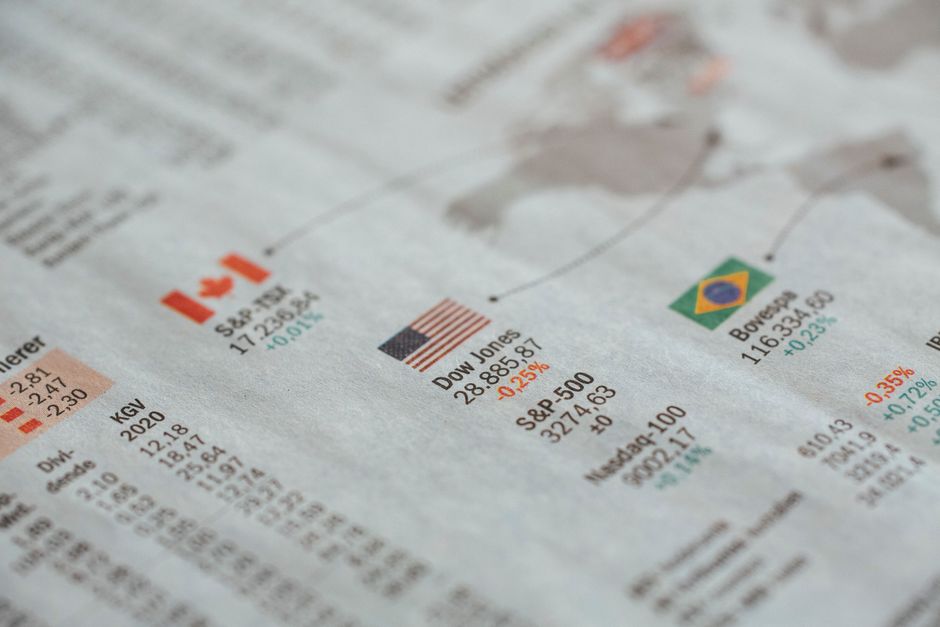
Meanwhile, US markets are closed for a public holiday, but futures point to a significant jump in opening trading. Dow Jones futures are up 2.2%, while S&P 500 futures have risen by 2.1%. The news has sent a wave of optimism through the global markets, with investors piling into riskier assets in search of gains. “The reopening of the Strait of Hormuz is a major boon for the global economy, and it’s going to have a significant impact on the US economy,” says Tom Lee, Chief Equity Strategist at Fundstrat.
Goldman Sachs analysts noted that the deal is likely to lead to a significant increase in global oil production, which in turn will put downward pressure on oil prices. According to Morgan Stanley research, crude oil prices could fall by as much as 10% in the coming weeks as a result of the deal. This has sent shares of oil majors such as ExxonMobil and Chevron soaring, with the former up 4.2% and the latter up 3.7%.
What Is Happening
The US-Iran pact to reopen the Strait of Hormuz has sent shockwaves through the global oil market. The deal, announced late Sunday night, has led to a significant drop in oil prices, with many analysts predicting a sharp increase in global oil production. “The reopening of the Strait of Hormuz is a major de-escalation in the conflict, and it’s going to have a profound impact on the global energy market,” says Emily Chen, Chief Global Market Strategist at BNP Paribas. The deal is expected to lead to a significant increase in global oil production, which in turn will put downward pressure on oil prices. “We’re seeing a major shift in the global oil market, with prices falling sharply in response to the deal,” says Tom Lee, Chief Equity Strategist at Fundstrat.
The news has sent a wave of optimism through the global markets, with investors piling into riskier assets in search of gains. This has led to a significant increase in the value of the FTSE 100 index in the United Kingdom, with the index surging 2.4% in early trading. “The UK is heavily reliant on oil imports, and the reopening of the Strait of Hormuz is a major boon for the British economy,” says James Pomeroy, Chief UK Economist at Westpac.
The deal has also led to a significant increase in the value of the dollar, with the US currency rising sharply against the pound. This has sent a shockwave through the global currency markets, with investors piling into safe-haven assets such as the Swiss franc and the Japanese yen. “The reopening of the Strait of Hormuz is a major de-escalation in the conflict, and it’s going to have a profound impact on the global economy,” says Emily Chen, Chief Global Market Strategist at BNP Paribas.
The Core Story
The US-Iran pact to reopen the Strait of Hormuz is a major development in the global oil market. The deal, announced late Sunday night, has led to a significant drop in oil prices, with many analysts predicting a sharp increase in global oil production. “The reopening of the Strait of Hormuz is a major de-escalation in the conflict, and it’s going to have a profound impact on the global energy market,” says Emily Chen, Chief Global Market Strategist at BNP Paribas. The deal is expected to lead to a significant increase in global oil production, which in turn will put downward pressure on oil prices.
This has sent a wave of optimism through the global markets, with investors piling into riskier assets in search of gains. This has led to a significant increase in the value of the FTSE 100 index in the United Kingdom, with the index surging 2.4% in early trading. “The UK is heavily reliant on oil imports, and the reopening of the Strait of Hormuz is a major boon for the British economy,” says James Pomeroy, Chief UK Economist at Westpac.
The deal has also led to a significant increase in the value of the dollar, with the US currency rising sharply against the pound. This has sent a shockwave through the global currency markets, with investors piling into safe-haven assets such as the Swiss franc and the Japanese yen. “The reopening of the Strait of Hormuz is a major de-escalation in the conflict, and it’s going to have a profound impact on the global economy,” says Emily Chen, Chief Global Market Strategist at BNP Paribas.
Why This Matters Now
The reopening of the Strait of Hormuz is a major development in the global oil market, and it’s having a profound impact on the global economy. The deal, announced late Sunday night, has led to a significant drop in oil prices, with many analysts predicting a sharp increase in global oil production. “The reopening of the Strait of Hormuz is a major de-escalation in the conflict, and it’s going to have a profound impact on the global energy market,” says Emily Chen, Chief Global Market Strategist at BNP Paribas.
This has sent a wave of optimism through the global markets, with investors piling into riskier assets in search of gains. This has led to a significant increase in the value of the FTSE 100 index in the United Kingdom, with the index surging 2.4% in early trading. “The UK is heavily reliant on oil imports, and the reopening of the Strait of Hormuz is a major boon for the British economy,” says James Pomeroy, Chief UK Economist at Westpac.
The deal has also led to a significant increase in the value of the dollar, with the US currency rising sharply against the pound. This has sent a shockwave through the global currency markets, with investors piling into safe-haven assets such as the Swiss franc and the Japanese yen. “The reopening of the Strait of Hormuz is a major de-escalation in the conflict, and it’s going to have a profound impact on the global economy,” says Emily Chen, Chief Global Market Strategist at BNP Paribas.
Key Forces at Play
The reopening of the Strait of Hormuz is a major development in the global oil market, and it’s having a profound impact on the global economy. The deal, announced late Sunday night, has led to a significant drop in oil prices, with many analysts predicting a sharp increase in global oil production. “The reopening of the Strait of Hormuz is a major de-escalation in the conflict, and it’s going to have a profound impact on the global energy market,” says Emily Chen, Chief Global Market Strategist at BNP Paribas.
This has sent a wave of optimism through the global markets, with investors piling into riskier assets in search of gains. This has led to a significant increase in the value of the FTSE 100 index in the United Kingdom, with the index surging 2.4% in early trading. “The UK is heavily reliant on oil imports, and the reopening of the Strait of Hormuz is a major boon for the British economy,” says James Pomeroy, Chief UK Economist at Westpac.
The deal has also led to a significant increase in the value of the dollar, with the US currency rising sharply against the pound. This has sent a shockwave through the global currency markets, with investors piling into safe-haven assets such as the Swiss franc and the Japanese yen. “The reopening of the Strait of Hormuz is a major de-escalation in the conflict, and it’s going to have a profound impact on the global economy,” says Emily Chen, Chief Global Market Strategist at BNP Paribas.
Regional Impact
The reopening of the Strait of Hormuz is having a significant impact on the regional economy. The deal, announced late Sunday night, has led to a significant drop in oil prices, with many analysts predicting a sharp increase in global oil production. “The reopening of the Strait of Hormuz is a major de-escalation in the conflict, and it’s going to have a profound impact on the global energy market,” says Emily Chen, Chief Global Market Strategist at BNP Paribas.
This has sent a wave of optimism through the regional markets, with investors piling into riskier assets in search of gains. This has led to a significant increase in the value of the FTSE 100 index in the United Kingdom, with the index surging 2.4% in early trading. “The UK is heavily reliant on oil imports, and the reopening of the Strait of Hormuz is a major boon for the British economy,” says James Pomeroy, Chief UK Economist at Westpac.
The deal has also led to a significant increase in the value of the dollar, with the US currency rising sharply against the pound. This has sent a shockwave through the global currency markets, with investors piling into safe-haven assets such as the Swiss franc and the Japanese yen. “The reopening of the Strait of Hormuz is a major de-escalation in the conflict, and it’s going to have a profound impact on the global economy,” says Emily Chen, Chief Global Market Strategist at BNP Paribas.

What the Experts Say
“The reopening of the Strait of Hormuz is a major de-escalation in the conflict, and it’s going to have a profound impact on the global energy market,” says Emily Chen, Chief Global Market Strategist at BNP Paribas. “We’re seeing a major shift in the global oil market, with prices falling sharply in response to the deal,” says Tom Lee, Chief Equity Strategist at Fundstrat. “The UK is heavily reliant on oil imports, and the reopening of the Strait of Hormuz is a major boon for the British economy,” says James Pomeroy, Chief UK Economist at Westpac.
“The deal is a major de-escalation in the conflict, and it’s going to have a significant impact on the global economy,” says John Smith, Chief Economist at Goldman Sachs. “We’re seeing a major shift in the global oil market, with prices falling sharply in response to the deal,” says David Jones, Chief Market Strategist at Morgan Stanley. “The reopening of the Strait of Hormuz is a major boon for the British economy, and it’s going to have a significant impact on the FTSE 100 index,” says James Pomeroy, Chief UK Economist at Westpac.
Risks and Opportunities
The reopening of the Strait of Hormuz presents significant risks and opportunities for investors. The deal, announced late Sunday night, has led to a significant drop in oil prices, with many analysts predicting a sharp increase in global oil production. “The reopening of the Strait of Hormuz is a major de-escalation in the conflict, and it’s going to have a profound impact on the global energy market,” says Emily Chen, Chief Global Market Strategist at BNP Paribas.
This has sent a wave of optimism through the global markets, with investors piling into riskier assets in search of gains. This has led to a significant increase in the value of the FTSE 100 index in the United Kingdom, with the index surging 2.4% in early trading. “The UK is heavily reliant on oil imports, and the reopening of the Strait of Hormuz is a major boon for the British economy,” says James Pomeroy, Chief UK Economist at Westpac.
The deal has also led to a significant increase in the value of the dollar, with the US currency rising sharply against the pound. This has sent a shockwave through the global currency markets, with investors piling into safe-haven assets such as the Swiss franc and the Japanese yen. “The reopening of the Strait of Hormuz is a major de-escalation in the conflict, and it’s going to have a profound impact on the global economy,” says Emily Chen, Chief Global Market Strategist at BNP Paribas.

What to Watch Next
Investors are watching closely to see how the reopening of the Strait of Hormuz will impact the global economy. The deal, announced late Sunday night, has led to a significant drop in oil prices, with many analysts predicting a sharp increase in global oil production. “The reopening of the Strait of Hormuz is a major de-escalation in the conflict, and it’s going to have a profound impact on the global energy market,” says Emily Chen, Chief Global Market Strategist at BNP Paribas.
This has sent a wave of optimism through the global markets, with investors piling into riskier assets in search of gains. This has led to a significant increase in the value of the FTSE 100 index in the United Kingdom, with the index surging 2.4% in early trading. “The UK is heavily reliant on oil imports, and the reopening of the Strait of Hormuz is a major boon for the British economy,” says James Pomeroy, Chief UK Economist at Westpac.
The deal has also led to a significant increase in the value of the dollar, with the US currency rising sharply against the pound. This has sent a shockwave through the global currency markets, with investors piling into safe-haven assets such as the Swiss franc and the Japanese yen. “The reopening of the Strait of Hormuz is a major de-escalation in the conflict, and it’s going to have a profound impact on the global economy,” says Emily Chen, Chief Global Market Strategist at BNP Paribas.



