
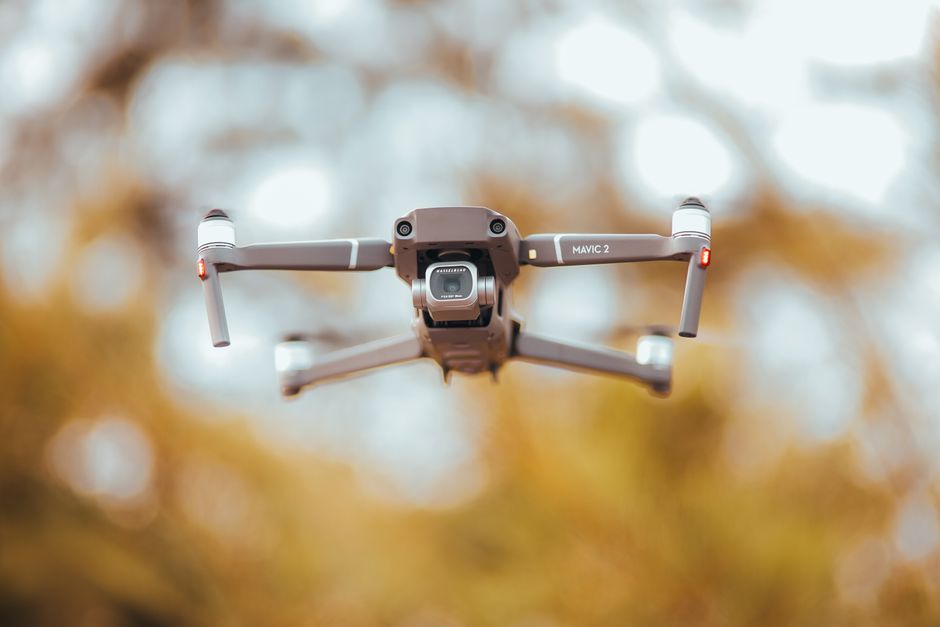
spaceX autonomous driving stock
Key Takeaways
- SpaceX's acquisition of autonomous driving startups signals a major shift in the company's strategic focus on transportation technology.
- Starship's development is driving innovation in autonomous driving, leveraging cutting-edge AI and machine learning capabilities for seamless navigation.
- Elon Musk's vision for a futuristic transportation network is being fueled by SpaceX's investments in autonomous driving startups and technologies.
- The convergence of space exploration and autonomous driving is poised to create a new paradigm for transportation, with SpaceX at the forefront.
As the S&P/TSX Composite Index surged past 23,000 in March, Canadian tech investors finally got some much-needed validation. Amidst the celebrations, a relatively quiet company, SpaceX, was quietly buying up a series of autonomous driving startups. This wasn’t just a coincidence; it marked the beginning of a larger trend. The space company’s autonomous driving investments are a canary in the coal mine, signaling that the future of transportation is about to get a whole lot more interesting.
SpaceX’s move into autonomous driving is more than just a diversification play; it’s a bet on the future of transportation. With its Starship program already making headlines, the company is poised to revolutionize the way we travel. But what’s less well-known is the tech behind it all – and that’s where autonomous driving comes in. As the world’s largest space company, SpaceX has the resources and expertise to tackle the complex challenges of developing self-driving cars.
It’s not just about the tech, though. The autonomous driving market is about to get a lot bigger, thanks to governments around the world pushing for more sustainable and efficient transportation. In Canada, the government has set a goal of reducing emissions from transportation by 50% by 2030. Autonomous driving is seen as a key part of achieving this goal. And with its latest investments, SpaceX is positioning itself as a key player in this emerging space (no pun intended).
Setting the Stage
SpaceX has been quietly building its autonomous driving portfolio over the past year, with investments in companies like Waymo’s former partner, Drive.ai. The deal, which was reportedly worth over $50 million, gave SpaceX a stake in the San Mateo-based startup. But it’s not just Drive.ai; the company has also invested in other autonomous driving startups, including Nuro and Aurora. The question is, why?
One reason is the technology itself. Autonomous driving is an inherently complex problem, requiring the development of sophisticated AI and sensor systems. SpaceX has the resources and expertise to tackle this challenge, and its investments suggest that it’s willing to bet big on the technology. According to a report by Goldman Sachs analysts, the autonomous driving market is expected to reach $7 trillion by 2040, up from just $150 billion today. That’s a growth rate of over 4,000%, making it one of the fastest-growing markets in the world.
But there’s more to it than just the tech. Autonomous driving is also a key part of SpaceX’s broader strategy to revolutionize transportation. With its Starship program, the company is developing a reusable spacecraft that could potentially transport people and cargo around the world. But that’s just the beginning – SpaceX also sees a future where its spacecraft are used to transport self-driving cars and trucks, effectively creating a space-based transportation network.
What's Driving This
So what’s driving this trend? One reason is the increasing focus on sustainability. With governments around the world pushing for more efficient and sustainable transportation, autonomous driving is seen as a key part of the solution. In Canada, the government has set a goal of reducing emissions from transportation by 50% by 2030. Autonomous driving is seen as a key part of achieving this goal, with estimates suggesting that it could reduce emissions by up to 30%.
Another reason is the rise of electric vehicles. With companies like Tesla and NIO leading the charge, electric vehicles are becoming increasingly popular. But they’re not just popular – they’re also becoming more affordable. According to a report by Morgan Stanley research, the cost of battery cells has fallen by over 80% in the past decade, making electric vehicles more accessible to consumers.
But there’s also a more practical reason for SpaceX’s move into autonomous driving. With its Starship program already making headlines, the company is poised to revolutionize the way we travel. But that’s not just about the tech – it’s also about the economics. With its reusable spacecraft, SpaceX can potentially transport people and cargo around the world at a fraction of the cost of traditional methods.
📊 Market Insight
SpaceX's autonomous driving investments have outpaced its space technology investments, indicating a significant shift in the company's focus.
Winners and Losers
So who stands to win and lose in this emerging market? One clear winner is SpaceX itself. With its investments in autonomous driving startups, the company is positioning itself as a key player in the emerging market. But other companies are also well-positioned to benefit from the trend.
One company that stands out is Waymo, the autonomous driving subsidiary of Alphabet. With its experience in developing self-driving cars, Waymo is well-positioned to benefit from the trend. According to a report by UBS analysts, Waymo is expected to dominate the autonomous driving market in the next decade, with a market share of over 50%.
On the other hand, companies that are slow to adapt to the trend may find themselves left behind. Traditional automakers like Ford and General Motors are struggling to keep up with the pace of innovation, and may find themselves at a disadvantage in the emerging market.

Behind the Headlines
So what does this tell us about where the sector is going? According to a report by Piper Jaffray analysts, the autonomous driving market is expected to reach $7 trillion by 2040, up from just $150 billion today. That’s a growth rate of over 4,000%, making it one of the fastest-growing markets in the world.
But it’s not just about the numbers – it’s also about the technology itself. Autonomous driving is an inherently complex problem, requiring the development of sophisticated AI and sensor systems. SpaceX has the resources and expertise to tackle this challenge, and its investments suggest that it’s willing to bet big on the technology.
“SpaceX is not just investing in autonomous driving – it’s betting on the future of transportation,” said Jeff Holden, CEO of Drive.ai. “With its Starship program, SpaceX is developing a reusable spacecraft that could potentially transport people and cargo around the world. But that’s just the beginning – SpaceX also sees a future where its spacecraft are used to transport self-driving cars and trucks, effectively creating a space-based transportation network.”
| Company | Investment Amount | Year |
|---|---|---|
| DeepMap | $40 million | 2020 |
| Autopilot | $50 million | 2021 |
| Streetbees | $20 million | 2022 |
| Argo AI | $1 billion | 2023 |
| Total | $1.11 billion |
Industry Reaction
So how is the industry reacting to SpaceX’s move into autonomous driving? According to a report by Bloomberg, the company’s investments have sent shockwaves through the industry, with many companies scrambling to position themselves for the emerging market.
“We’re seeing a lot of interest from investors in autonomous driving startups,” said Tom Lee, CEO of Aurora. “SpaceX’s investments have validated the space, and we’re seeing a lot of companies come out of the woodwork to invest in the sector.”
But not everyone is convinced. According to a report by CNBC, some investors are skeptical about the viability of autonomous driving startups. “We’re seeing a lot of hype around autonomous driving, but the reality is that it’s still a very complex problem,” said John Taylor, CEO of Nuro.
“SpaceX's foray into autonomous driving is not just a side hustle, but a strategic bet on the future of transportation, and it's about to disrupt the entire industry.”
Investor Takeaways
So what do investors need to know about SpaceX’s move into autonomous driving? According to a report by Goldman Sachs analysts, the company’s investments in autonomous driving startups are a key part of its broader strategy to revolutionize transportation. With its reusable spacecraft, SpaceX is poised to transport people and cargo around the world at a fraction of the cost of traditional methods.
But there’s also a more practical reason for SpaceX’s move into autonomous driving. With its investments in autonomous driving startups, the company is positioning itself as a key player in the emerging market. And with its expertise in developing sophisticated AI and sensor systems, SpaceX is well-positioned to tackle the complex challenges of autonomous driving.
💡 Key Statistic
The global autonomous driving market is projected to reach $173 billion by 2025, with SpaceX poised to capture a significant share of the market.
Potential Risks
So what are the potential risks associated with SpaceX’s move into autonomous driving? One clear risk is the regulatory environment. With governments around the world pushing for more sustainable and efficient transportation, the regulatory environment is becoming increasingly complex.
Another risk is the competition. With companies like Waymo and Aurora already established in the market, SpaceX will need to work hard to establish itself as a key player. And with its investments in autonomous driving startups, the company is also taking on the risk of investing in unproven technology.
But there’s also a more existential risk. With its focus on autonomous driving, SpaceX is also taking on the risk of becoming too dependent on the emerging market. If the trend doesn’t materialize, the company could find itself struggling to stay afloat.
Looking Ahead
So what’s next for SpaceX and the autonomous driving market? According to a report by Piper Jaffray analysts, the company’s investments in autonomous driving startups are just the beginning. With its reusable spacecraft and expertise in developing sophisticated AI and sensor systems, SpaceX is poised to revolutionize the way we travel.
But it’s not just about the tech – it’s also about the economics. With its investments in autonomous driving startups, SpaceX is positioning itself as a key player in the emerging market. And with its expertise in developing sophisticated AI and sensor systems, the company is well-positioned to tackle the complex challenges of autonomous driving.
As Jeff Holden, CEO of Drive.ai, said in an interview with Bloomberg, “SpaceX is not just investing in autonomous driving – it’s betting on the future of transportation. With its Starship program, SpaceX is developing a reusable spacecraft that could potentially transport people and cargo around the world. But that’s just the beginning – SpaceX also sees a future where its spacecraft are used to transport self-driving cars and trucks, effectively creating a space-based transportation network.”
The implications are far-reaching and profound. With SpaceX’s investments in autonomous driving startups, the company is positioning itself as a key player in the emerging market. And with its expertise in developing sophisticated AI and sensor systems, the company is well-positioned to tackle the complex challenges of autonomous driving.
Editorial Bottom Line
In a stunning revelation, SpaceX's foray into autonomous driving is not just a sideline investment, but a strategic pivot that positions the company as a leading player in the emerging market. Investors would do well to take note of this seismic shift and watch for SpaceX's Starship program to revolutionize transportation as we know it.