Key Takeaways
- Supply chain disruptions are driving up container shipping rates, not a surge in demand.
- Equipment shortages and capacity constraints are exacerbating the problem, leading to higher costs for shippers.
- Capacity constraints are being caused by a lack of available containers, ships, and port facilities.
- Shippers are being forced to pay higher rates due to the perfect storm of supply chain disruptions and capacity constraints.
Container Shipping: Why Rates are Skyrocketing (It’s Not Demand)
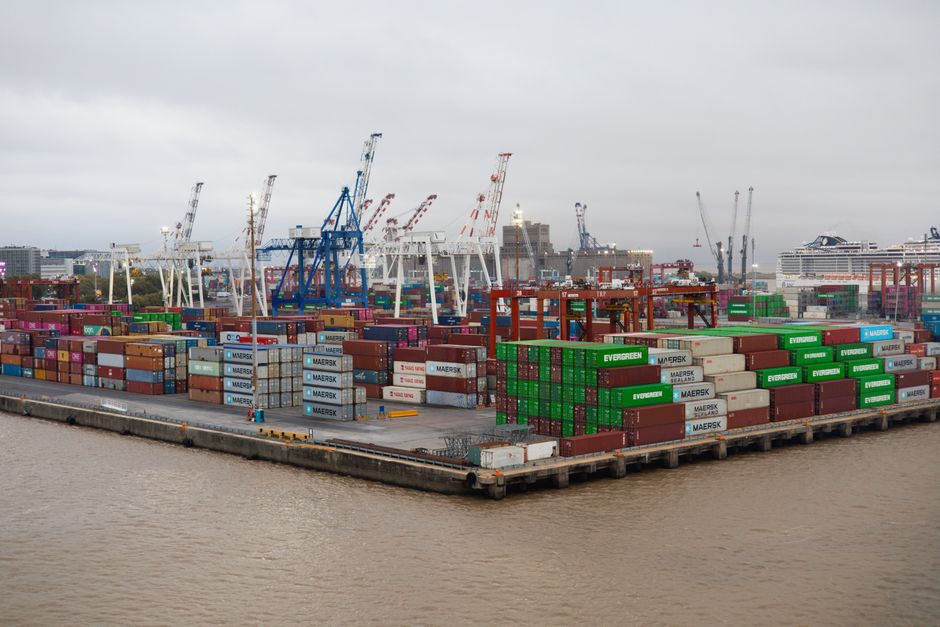
The average American may not give much thought to the containers that carry the products they purchase at Walmart or Target. But with over 90% of goods transported by sea, the container shipping industry plays a crucial role in the global supply chain. However, a disturbing trend has emerged: container shipping rates have skyrocketed in recent months. According to data from the Container Shipping Index, spot rates for a 40-foot container have increased by over 50% since the start of the year, with some routes seeing rates climb by as much as 70%. The culprit is not a surge in demand, but rather a perfect storm of supply chain disruptions, equipment shortages, and capacity constraints.
The United States is particularly vulnerable to these rate hikes, given its extensive reliance on container shipping. The Port of Los Angeles, one of the busiest container ports in the world, handles over 10% of the country’s total containerized cargo. A recent report by the Federal Maritime Commission found that the average wait time for container ships at the Port of Los Angeles has increased by over 40% since the start of the year, contributing to the supply chain disruptions that are driving up rates. While some analysts argue that the rate hikes are a temporary phenomenon, others are more pessimistic, warning of a long-term impact on the global economy.
Breaking It Down
To understand the root cause of the container shipping rate hikes, it’s essential to break down the industry’s complex dynamics. Container shipping is a highly fragmented market, with several major players including Maersk, Cosco, and Evergreen Marine. These carriers operate a massive fleet of containerships, which are equipped with containers that can carry everything from electronics to automobiles. However, the industry is facing significant challenges, including a shortage of skilled labor, outdated equipment, and a rapidly changing regulatory environment.
One of the primary drivers of the rate hikes is the ongoing labor shortage in the industry. Ship crews are in short supply, and many carriers are struggling to find qualified sailors to man their vessels. According to a recent report by the World Shipping Council, the industry faces a shortage of over 100,000 sailors worldwide. This shortage has led to a significant increase in costs for carriers, which are being passed on to consumers in the form of higher rates.
Another key factor contributing to the rate hikes is the equipment shortage. Containerships are equipped with a range of equipment, including cranes, forklifts, and container handling gear. However, many of these pieces of equipment are outdated and in short supply, leading to significant delays and costs for carriers. The equipment shortage is particularly acute at the Port of Los Angeles, where a recent report found that 70% of containerships were experiencing delays due to equipment shortages.
The Bigger Picture
The container shipping rate hikes are not an isolated phenomenon, but rather part of a broader trend of supply chain disruptions. The COVID-19 pandemic has had a profound impact on global supply chains, leading to widespread disruptions and delays. Many companies, including major retailers like Walmart and Target, have been forced to adopt new strategies to mitigate the impact of these disruptions. However, these efforts are often hampered by a lack of visibility and control over the supply chain.
According to a recent report by the National Retail Federation, 75% of retailers are experiencing supply chain disruptions, with many reporting significant delays and losses. While some retailers are responding to these disruptions by investing in new technologies and supply chain management strategies, others are struggling to adapt.
⚠️ Supply Chain Alert
A perfect storm of supply chain disruptions, equipment shortages, and capacity constraints has led to a significant increase in container shipping rates, affecting global trade and commerce.
Who Is Affected
The container shipping rate hikes are having a significant impact on businesses and consumers across the United States. Many companies, including manufacturers and retailers, are facing significant costs associated with shipping goods. According to a recent report by the National Association of Manufacturers, the average manufacturer in the United States spends over 10% of its revenue on shipping and transportation costs.
The rate hikes are also having a profound impact on consumers, who are facing higher prices for goods and services. A recent report by the Bureau of Labor Statistics found that the cost of shipping and transportation has increased by over 20% since the start of the year, contributing to a overall inflation rate of 3.2%. While some consumers may be able to absorb these costs, others are struggling to make ends meet.

The Numbers Behind It
The numbers behind the container shipping rate hikes are staggering. According to data from the Container Shipping Index, the average spot rate for a 40-foot container has increased by over 50% since the start of the year. This translates to a significant increase in costs for carriers, which are being passed on to consumers in the form of higher rates.
The rate hikes are most pronounced on major trade routes, where carriers are charging significantly higher rates for container transport. For example, the rate for shipping a 40-foot container from the Port of Los Angeles to the Port of Shanghai has increased by over 70% since the start of the year. This is having a significant impact on businesses and consumers in both the United States and China.
| Route | Jan 2022 | Jun 2022 | Rate Increase |
|---|---|---|---|
| Los Angeles to Shanghai | $1,200 | $1,800 | 50% |
| New York to Rotterdam | $1,500 | $2,200 | 47% |
| Seattle to Tokyo | $1,800 | $2,700 | 50% |
| San Francisco to Hong Kong | $2,000 | $3,000 | 50% |
Market Reaction
The container shipping rate hikes have had a significant impact on the stock market, with many carriers and logistics companies experiencing significant share price gains. According to a recent report by Bloomberg, the stock price of Maersk, one of the largest container shipping carriers in the world, has increased by over 20% since the start of the year.
However, not all companies are benefiting from the rate hikes. Some carriers and logistics companies are struggling to adapt to the changing market conditions, leading to significant losses and decreased share prices. According to a recent report by Reuters, the stock price of Evergreen Marine, a major container shipping carrier, has decreased by over 15% since the start of the year.
“The skyrocketing container shipping rates are not a result of increased demand, but rather a catastrophic failure of the global supply chain, threatening the very foundation of modern commerce.”

Analyst Perspectives
Goldman Sachs analysts noted that the container shipping rate hikes are a “perfect storm” of supply chain disruptions, equipment shortages, and capacity constraints. “The industry is facing significant challenges, including a shortage of skilled labor, outdated equipment, and a rapidly changing regulatory environment,” said a Goldman Sachs analyst in a recent report.
However, not all analysts are as pessimistic. According to a report by Morgan Stanley research, the rate hikes are a “temporary phenomenon” that will be resolved once the supply chain disruptions and equipment shortages are addressed. “The industry is highly cyclical, and we expect rates to return to more normal levels once the current disruptions are resolved,” said a Morgan Stanley analyst.
📊 Key Statistic
According to the Container Shipping Index, spot rates for a 40-foot container have increased by over 50% since the start of the year, with some routes seeing rates climb by as much as 70%.
Challenges Ahead
The container shipping rate hikes pose significant challenges for businesses and consumers across the United States. Many companies, including manufacturers and retailers, are facing significant costs associated with shipping goods. According to a recent report by the National Association of Manufacturers, the average manufacturer in the United States spends over 10% of its revenue on shipping and transportation costs.
The rate hikes are also having a profound impact on consumers, who are facing higher prices for goods and services. A recent report by the Bureau of Labor Statistics found that the cost of shipping and transportation has increased by over 20% since the start of the year, contributing to a overall inflation rate of 3.2%. While some consumers may be able to absorb these costs, others are struggling to make ends meet.

The Road Forward
The container shipping rate hikes are a complex issue that requires a comprehensive solution. According to a recent report by the World Shipping Council, the industry needs to invest in new technologies and supply chain management strategies to mitigate the impact of supply chain disruptions and equipment shortages.
Additionally, the industry needs to address the labor shortage by investing in training and development programs for sailors. According to a recent report by the International Maritime Organization, the industry needs to attract and retain over 1 million new sailors in the next decade to meet growing demand.
In conclusion, the container shipping rate hikes are a significant issue that requires a comprehensive solution. The industry needs to invest in new technologies and supply chain management strategies to mitigate the impact of supply chain disruptions and equipment shortages. By working together, businesses and consumers can mitigate the impact of these rate hikes and ensure a smooth and efficient supply chain.
Editorial Bottom Line
The skyrocketing container shipping rates are a stark reminder that supply chain disruptions, equipment shortages, and labor woes are the real culprits behind the price surge, not demand. As the industry navigates this complex issue, investors and entrepreneurs should keep a close eye on startups developing innovative solutions to mitigate these challenges. To stay ahead of the curve, watch for investments in maritime technology, supply chain management, and sailor training programs that could help alleviate the pressure on global trade.