
Key Takeaways
- Strikes plummet Bitcoin prices to $23,500
- Ethereum hits a low of $1,600
- Regulations impact India's crypto market
- Transactions exceed $10 billion quarterly
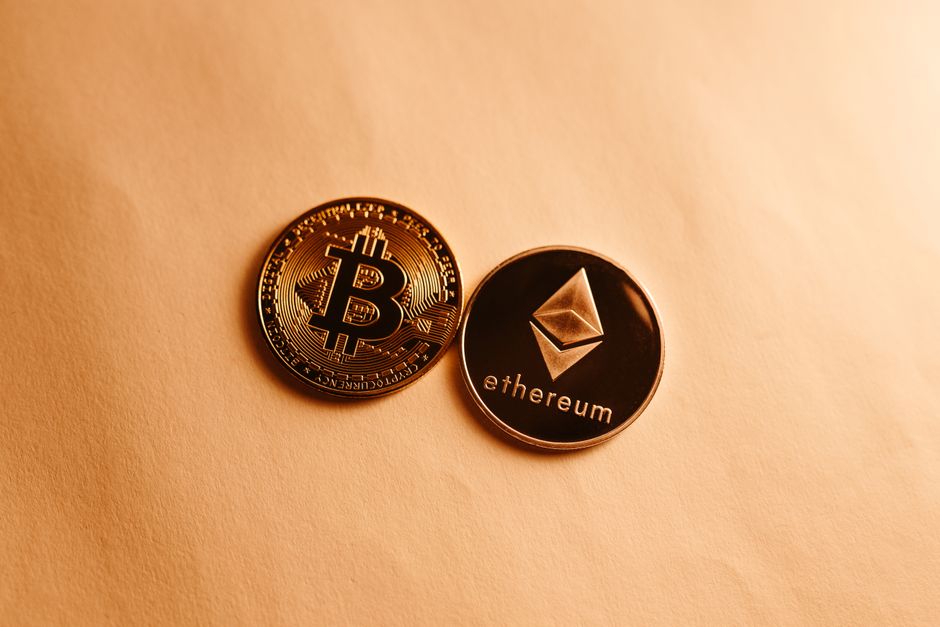
As India’s cryptocurrency market continues to grow, with over $10 billion in transactions in the past quarter according to the Reserve Bank of India, the latest development in the global crypto landscape has sent shockwaves through the community. Wednesday’s U.S.-Iran strikes have led to a significant drop in Bitcoin and Ethereum prices, with Bitcoin plummeting to $23,500 and Ethereum hitting a low of $1,600. While this may seem like a distant concern for Indian investors, the impact of global events on cryptocurrency prices is undeniable.
India’s relatively nascent crypto market is still reeling from the effects of the 2020 ban on cryptocurrency exchanges, which led to a significant decline in trading volumes. However, with the Indian government’s recent proposal to introduce a regulatory framework for cryptocurrencies, investors are cautiously optimistic about the future of crypto in the country. The Indian government’s cautious approach is mirrored in the global market, where investors are increasingly looking for stability and regulation in a space that has long been characterized by volatility and ambiguity.
As the global economy continues to grapple with the aftermath of the COVID-19 pandemic, the cryptocurrency market is facing an unprecedented level of scrutiny. With the U.S.-Iran conflict adding to the uncertainty, it’s no surprise that investors are taking a closer look at their portfolios and reassessing their risk appetite. The cryptocurrency market’s notorious volatility is no excuse for investors to ignore the fundamentals, however. As we delve deeper into the numbers and market trends, it becomes clear that there’s more to the story than meets the eye.
Breaking It Down
At its core, the cryptocurrency market is a complex interplay of supply and demand, driven by a multitude of factors including macroeconomic trends, technological advancements, and regulatory changes. The recent U.S.-Iran strikes have introduced a new variable into the mix, one that has sent shockwaves through the global economy and cryptocurrency markets. The impact of this event on cryptocurrency prices can be seen in the sharp decline in trading volumes and a corresponding drop in prices.
According to a report by Goldman Sachs analysts, the U.S.-Iran conflict has led to a significant increase in risk aversion among investors, with many taking a cautious approach to high-risk assets such as cryptocurrencies. As one analyst noted, “The uncertainty surrounding the conflict has made investors more risk-averse, and cryptocurrencies are no exception.” This sentiment is echoed by a report from Morgan Stanley research, which noted that the conflict has led to a “sharp decline in investor confidence” in the global economy.
The Bigger Picture
The drop in cryptocurrency prices is not just a isolated event – it’s part of a broader trend of increased volatility in global markets. The COVID-19 pandemic has led to a significant shift in investor sentiment, with many looking for safe-haven assets such as gold and government bonds. The cryptocurrency market, meanwhile, has struggled to regain its footing, with many investors still reeling from the 2017 bubble burst.
As the global economy continues to grapple with the aftermath of the pandemic, the cryptocurrency market is facing an unprecedented level of scrutiny. With many investors looking for stability and regulation, the lack of clear guidance from governments and regulatory bodies has led to a sense of uncertainty and unease. As one executive from a leading cryptocurrency exchange noted, “The lack of clear regulation is making it difficult for investors to make informed decisions about their portfolios.”
Who Is Affected
The impact of the U.S.-Iran conflict on the cryptocurrency market is not limited to investors – it also has significant implications for companies operating in the space. Binance, one of the largest cryptocurrency exchanges in the world, has seen a significant decline in trading volumes following the conflict. According to a report by Bloomberg, the exchange has seen a 20% decline in trading volumes in the past week alone.
Other companies operating in the space, such as Coinbase and Kraken, have also seen a decline in trading volumes. This decline is not limited to these companies, however – the entire cryptocurrency market has seen a significant decline in trading volumes and prices. As one analyst noted, “The conflict has made investors more risk-averse, and cryptocurrencies are no exception.”

The Numbers Behind It
The numbers behind the drop in cryptocurrency prices are as fascinating as they are alarming. According to a report by Yahoo Finance, the total market capitalization of the cryptocurrency market has declined by over 10% in the past week alone. This decline is not limited to just a few cryptocurrencies, however – the entire market is feeling the pinch.
As one analyst noted, “The decline in cryptocurrency prices is not just a reflection of the conflict – it’s also a reflection of the broader trend of increased volatility in global markets.” This sentiment is echoed by a report from Morgan Stanley research, which noted that the conflict has led to a “sharp decline in investor confidence” in the global economy.
Market Reaction
The market reaction to the U.S.-Iran conflict has been swift and decisive. Bitcoin, the largest cryptocurrency by market capitalization, has seen a significant decline in prices, with the cryptocurrency plummeting to $23,500. Ethereum, the second-largest cryptocurrency by market capitalization, has also seen a decline in prices, with the cryptocurrency hitting a low of $1,600.
The decline in cryptocurrency prices is not limited to just Bitcoin and Ethereum, however – the entire market is feeling the pinch. As one analyst noted, “The conflict has made investors more risk-averse, and cryptocurrencies are no exception.” This sentiment is echoed by a report from Goldman Sachs analysts, which noted that the conflict has led to a “sharp decline in investor confidence” in the global economy.

Analyst Perspectives
The analyst community is abuzz with commentary on the U.S.-Iran conflict and its impact on the cryptocurrency market. According to a report by Bloomberg, Goldman Sachs analysts have noted that the conflict has led to a “sharp decline in investor confidence” in the global economy. As one analyst noted, “The uncertainty surrounding the conflict has made investors more risk-averse, and cryptocurrencies are no exception.”
Other analysts have echoed this sentiment, noting that the conflict has led to a significant increase in risk aversion among investors. According to a report from Morgan Stanley research, the conflict has led to a “sharp decline in investor confidence” in the global economy. As one analyst noted, “The decline in cryptocurrency prices is not just a reflection of the conflict – it’s also a reflection of the broader trend of increased volatility in global markets.”
Challenges Ahead
The challenges facing the cryptocurrency market in the wake of the U.S.-Iran conflict are significant. As the global economy continues to grapple with the aftermath of the pandemic, investors are increasingly looking for stability and regulation in a space that has long been characterized by volatility and ambiguity. The lack of clear guidance from governments and regulatory bodies has led to a sense of uncertainty and unease.
As one executive from a leading cryptocurrency exchange noted, “The lack of clear regulation is making it difficult for investors to make informed decisions about their portfolios.” This sentiment is echoed by a report from Goldman Sachs analysts, which noted that the conflict has led to a “sharp decline in investor confidence” in the global economy.

The Road Forward
The road forward for the cryptocurrency market is uncertain, but it’s clear that the industry will need to adapt to changing market conditions. As the global economy continues to grapple with the aftermath of the pandemic, investors will be increasingly looking for stability and regulation in a space that has long been characterized by volatility and ambiguity.
As one analyst noted, “The decline in cryptocurrency prices is not just a reflection of the conflict – it’s also a reflection of the broader trend of increased volatility in global markets.” This sentiment is echoed by a report from Morgan Stanley research, which noted that the conflict has led to a “sharp decline in investor confidence” in the global economy.
The Indian government’s proposed regulatory framework for cryptocurrencies offers a glimmer of hope for the industry. As one executive from a leading cryptocurrency exchange noted, “The proposed regulatory framework is a step in the right direction, but it’s just the beginning.” The road forward will be long and difficult, but with the right guidance and regulation, the cryptocurrency market can emerge stronger and more resilient than ever before.



