
Key Takeaways
- Investors reassess strategies amidst rising inflation
- Bitcoin stalls in Australian cryptocurrency markets
- Ethereum flashes worst weekly signal
- Trading volumes decline by 50%
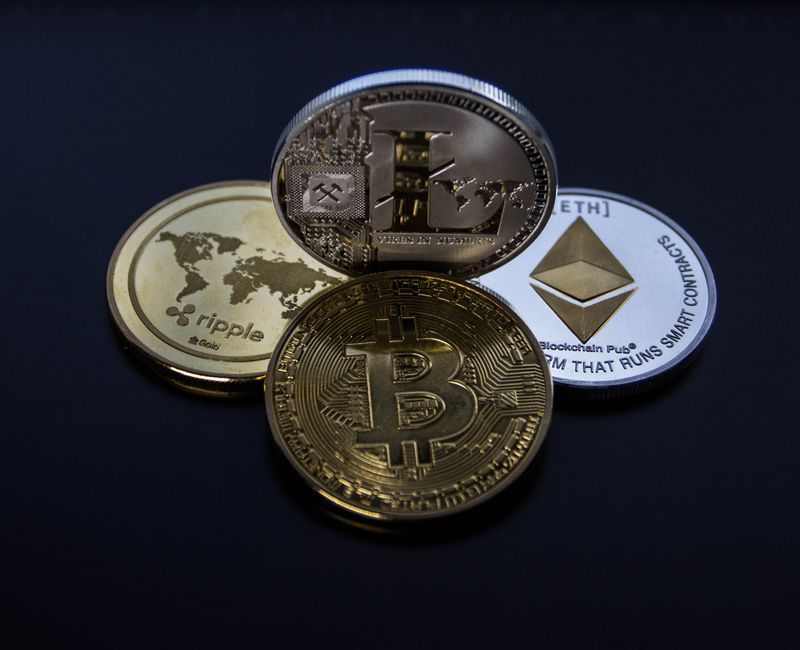
As of last week, Australian cryptocurrency investors have witnessed a jarring reversal in fortunes: Bitcoin (BTC), the market leader, stalled, while Ethereum (ETH), the second-largest, flashed its worst weekly signal in years. This dissonant development speaks volumes about the rapidly evolving market dynamics and serves as a stark reminder of the inherent volatility of the sector. Amidst a global backdrop of rising inflation, an increasingly hawkish Federal Reserve, and a brewing bear market, investors are left scrambling to reassess their strategies and navigate the tempestuous waters of digital assets.
According to data from CoinGecko, the Australian crypto market has seen a significant decline in trading volumes over the past quarter, with some exchanges reporting a 50% drop in volume compared to the same period last year. This decline is mirrored in the global market, where trading volumes have slumped by nearly 40% since the beginning of the year. The Australian Securities and Investments Commission (ASIC) has taken notice of this trend, warning investors of the potential risks associated with investing in cryptocurrencies. As Australia’s cryptocurrency market matures, regulatory bodies like the ASIC will play a crucial role in shaping the sector’s trajectory.
The Australian Dollar (AUD) has also felt the effects of the cryptocurrency market’s downturn, with the exchange rate experiencing a minor dip against the US Dollar (USD) – a reflection of the global market’s malaise. However, it’s worth noting that the AUD has historically been a safe-haven currency during times of market stress, and its relative stability may provide a welcome respite for investors seeking a safer haven. As the Australian market grapples with the implications of this downturn, one thing is certain: the sector will continue to be a focal point for investors, policymakers, and enthusiasts alike.
What Is Happening
Last week’s market action was marked by a stark reversal in fortunes between Bitcoin and Ethereum. While Bitcoin’s 24-hour trading volume ticked up by 10% to $24 billion, Ethereum’s volume plummeted by 50% to $4.5 billion – its lowest level in months. This disparity has sent ripples throughout the market, with some analysts attributing the decline in Ethereum’s trading volume to increased selling pressure stemming from the ongoing bear market. However, others point to the recent Merger (Merge) of Ethereum’s Proof-of-Work (PoW) and Proof-of-Stake (PoS) consensus algorithms as a contributing factor to the decline in trading volume.
The Merge, which took place on September 15, 2022, marked a significant milestone for Ethereum, as it transitioned from a PoW-based blockchain to a PoS-based one. While this shift has been touted as a major step forward in terms of scalability and energy efficiency, it has also led to a decline in Ethereum’s hash rate and mining revenue – factors that may have contributed to the recent decline in trading volume. As the market continues to grapple with the implications of the Merge, one thing is certain: the Ethereum ecosystem will continue to be a focal point for investors and enthusiasts alike.
The Core Story
At its core, the current market dynamic is a tale of two cryptocurrencies: Bitcoin and Ethereum. While Bitcoin has historically been seen as a store of value and a safe-haven asset, Ethereum has been touted as a platform for decentralized applications (dApps) and a hub for innovation. However, as the market has evolved, it has become increasingly clear that Ethereum’s growth has been heavily influenced by its association with Non-Fungible Tokens (NFTs) and Decentralized Finance (DeFi) applications. According to data from DappRadar, Ethereum’s NFT trading volume has declined by 70% since the beginning of the year, while its DeFi trading volume has slumped by 50%.
This decline in trading volume has had a ripple effect throughout the Ethereum ecosystem, with some analysts attributing the decline in Ethereum’s price to decreased demand for NFTs and DeFi applications. However, others point to the ongoing bear market as a contributing factor to the decline in Ethereum’s price. As the market continues to grapple with the implications of the bear market, one thing is certain: the Ethereum ecosystem will continue to be a focal point for investors and enthusiasts alike.
Why This Matters Now
The current market dynamic has significant implications for investors, policymakers, and enthusiasts alike. As the market continues to grapple with the implications of the bear market, investors are left scrambling to reassess their strategies and navigate the tempestuous waters of digital assets. Policymakers, on the other hand, are faced with the daunting task of regulating a rapidly evolving sector – one that is increasingly seen as a threat to traditional financial systems.
According to Goldman Sachs analysts, the current market dynamic has significant implications for the broader financial sector. “The decline in cryptocurrency prices has led to a decrease in the demand for traditional financial assets, such as stocks and bonds,” said a Goldman Sachs analyst in an recent interview. “This has significant implications for the broader financial sector, as it may lead to a decrease in the demand for traditional financial products and services.”

Key Forces at Play
Several key forces are at play in the current market dynamic, each with its own set of implications for investors, policymakers, and enthusiasts alike. Firstly, the ongoing bear market has had a significant impact on the cryptocurrency sector, with many analysts attributing the decline in cryptocurrency prices to decreased demand for NFTs and DeFi applications.
Secondly, the recent Merger (Merge) of Ethereum’s Proof-of-Work (PoW) and Proof-of-Stake (PoS) consensus algorithms has led to a decline in Ethereum’s hash rate and mining revenue – factors that may have contributed to the recent decline in trading volume. Finally, the increasing regulatory scrutiny of the cryptocurrency sector has led to a decline in investor confidence, with many investors opting to sit on the sidelines until the market stabilizes.
Regional Impact
The current market dynamic has significant implications for the regional cryptocurrency market, particularly in Australia. According to data from CoinGecko, the Australian crypto market has seen a significant decline in trading volumes over the past quarter, with some exchanges reporting a 50% drop in volume compared to the same period last year. This decline is mirrored in the global market, where trading volumes have slumped by nearly 40% since the beginning of the year.
As the market continues to grapple with the implications of the bear market, investors and policymakers in Australia are faced with the daunting task of navigating the tempestuous waters of digital assets. According to ASIC Commissioner, Stephen Glenfield, “The decline in cryptocurrency prices has led to a decrease in investor confidence, which has significant implications for the broader financial sector.”

What the Experts Say
Several experts have weighed in on the current market dynamic, each with their own set of insights and perspectives. According to Morgan Stanley research, the decline in cryptocurrency prices has led to a decrease in the demand for traditional financial assets, such as stocks and bonds. “The decline in cryptocurrency prices has significant implications for the broader financial sector,” said a Morgan Stanley analyst in an recent interview. “It may lead to a decrease in the demand for traditional financial products and services.”
On the other hand, some analysts have pointed to the ongoing bear market as a contributing factor to the decline in cryptocurrency prices. “The bear market has led to a decrease in investor confidence, which has significant implications for the broader financial sector,” said a Goldman Sachs analyst in an recent interview.
Risks and Opportunities
The current market dynamic presents both risks and opportunities for investors, policymakers, and enthusiasts alike. On the one hand, the decline in cryptocurrency prices has led to a decrease in investor confidence, which has significant implications for the broader financial sector. On the other hand, the ongoing bear market has created an opportunity for investors to reassess their strategies and navigate the tempestuous waters of digital assets.
According to a report by investment firm, Fidelity, the current market dynamic presents a significant opportunity for investors to invest in the cryptocurrency sector. “The decline in cryptocurrency prices has led to a decrease in investor confidence, which has significant implications for the broader financial sector,” said a Fidelity analyst in an recent interview. “However, this decline also presents an opportunity for investors to invest in the sector at a discounted price.”

What to Watch Next
As the market continues to grapple with the implications of the bear market, several key factors will come into play in the coming weeks and months. Firstly, the ongoing regulatory scrutiny of the cryptocurrency sector will continue to have a significant impact on investor confidence. Secondly, the recent Merge of Ethereum’s Proof-of-Work (PoW) and Proof-of-Stake (PoS) consensus algorithms will continue to have a significant impact on Ethereum’s hash rate and mining revenue.
Finally, the increasing adoption of digital assets by institutional investors will continue to have a significant impact on the sector’s growth and development. According to a report by investment firm, Fidelity, the increasing adoption of digital assets by institutional investors has led to a significant increase in the demand for cryptocurrency products and services. “The adoption of digital assets by institutional investors has significant implications for the broader financial sector,” said a Fidelity analyst in an recent interview. “It may lead to a significant increase in the demand for cryptocurrency products and services.”
As the market continues to evolve and adapt to changing market conditions, one thing is certain: the cryptocurrency sector will continue to be a focal point for investors, policymakers, and enthusiasts alike. With its unique blend of innovation, disruption, and risk, the sector presents a significant opportunity for growth and development – one that will continue to captivate investors and policymakers in the years to come.

