
Key Takeaways
- Regulators scrutinize 3PL stocks
- Shares plummet in response
- Investors reassess logistics sector
- ACCC monitors anticompetitive practices
In Australia, where the economy has been heavily reliant on international trade, the news of a stunning Texas case against C.H. Robinson, a leading third-party logistics (3PL) provider, sent shockwaves through the market. Shares in the company plummeted, taking with them several of its peers in the sector. Meanwhile, the Australian Securities Exchange (ASX) All Ordinaries Index saw a 1.2% decline in the wake of the news, with many traders left wondering what this meant for the future of the logistics industry.
One thing is certain – the logistics sector has been under scrutiny in recent times, with regulatory bodies around the world cracking down on anticompetitive practices. In Australia, the Australian Competition and Consumer Commission (ACCC) has been actively monitoring the sector, as has the US Federal Maritime Commission (FMC) in the United States. C.H. Robinson’s troubles come on the heels of a similar case brought against DHL in Europe, where the company was fined €371 million for its role in a cartel to fix global air freight prices.
Against this backdrop, investors are left to ponder what the implications of this case will be for the 3PL sector as a whole. Will companies begin to feel the pressure to clean up their act, or will they continue to operate as they have, often with little transparency about their business practices? The stakes are high, with 3PL companies generating billions of dollars in revenue each year. As one analyst noted, “The 3PL sector is under the microscope, and it’s hard to ignore the potential consequences of these regulatory actions. This is not just about C.H. Robinson – it’s about the entire sector.”
Breaking It Down
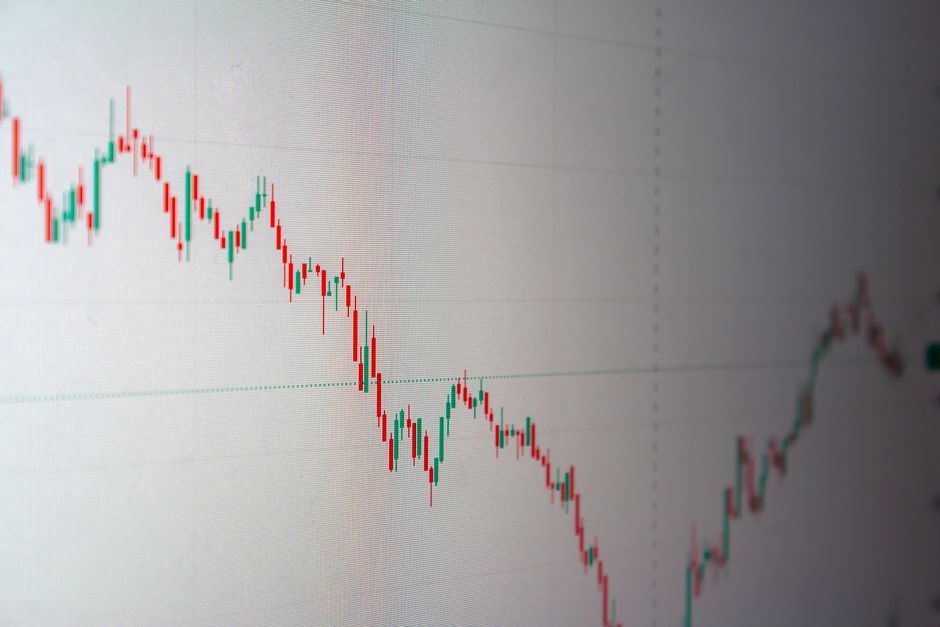
The Texas case against C.H. Robinson centers around allegations that the company colluded with other major logistics providers to fix trucking rates, leading to higher prices for shippers. According to regulatory filings, C.H. Robinson and its alleged co-conspirators – including J.B. Hunt and YRC Freight – engaged in a complex web of price-fixing and bid-rigging schemes that lasted for over a decade. C.H. Robinson, which has always maintained its innocence, has seen its stock price plummet in response to the allegations, losing over 15% of its value in a single trading session.
This is not the first time that C.H. Robinson has been embroiled in controversy. In 2020, the company was hit with a lawsuit by several major clients, including Procter & Gamble and Ford Motor Company, who alleged that the company had engaged in deceptive business practices. However, this latest case is by far the most serious, with regulators seeking to impose significant fines and penalties on the company.
The Bigger Picture
The case against C.H. Robinson is just the tip of the iceberg. Regulatory bodies around the world are cracking down on anticompetitive practices in the logistics sector, with several high-profile cases already making headlines. In the United States, the FMC has launched a full-scale investigation into the practices of several major 3PL companies, with the goal of determining whether they have engaged in price-fixing and other forms of collusion.
Meanwhile, in Europe, the European Commission has been actively monitoring the sector, with several major companies already facing fines and penalties for their role in price-fixing and other anticompetitive behaviors. As one analyst noted, “The logistics sector is one of the most heavily regulated industries in the world, and companies need to be mindful of the potential consequences of their actions. This is not just about avoiding fines – it’s about maintaining a reputation for transparency and fairness.”
Who Is Affected
The case against C.H. Robinson has significant implications for the entire 3PL sector, with several major companies already feeling the heat. J.B. Hunt, which is named as a co-conspirator in the case, has seen its stock price decline in response to the allegations, while YRC Freight has been forced to issue a statement denying any wrongdoing. Meanwhile, DHL, which was fined €371 million in a similar case earlier this year, is likely to face increased scrutiny in the wake of C.H. Robinson’s troubles.
The impact of this case will also be felt by shippers and consumers, who will ultimately bear the brunt of higher prices and reduced competition in the logistics sector. According to research by Morgan Stanley, the 3PL sector is worth over $1.5 trillion globally, with companies generating billions of dollars in revenue each year. As one analyst noted, “The stakes are high, and companies need to be mindful of the potential consequences of their actions. This is not just about avoiding fines – it’s about maintaining a reputation for transparency and fairness.”
The Numbers Behind It
According to regulatory filings, C.H. Robinson and its alleged co-conspirators generated over $10 billion in revenue between 2010 and 2020, with profits of over $1.5 billion. However, the company’s troubles are not limited to its financial performance. In the wake of the allegations, several major clients have begun to re-evaluate their relationships with the company, with some already announcing plans to switch to rival providers.
Meanwhile, regulatory bodies are seeking to impose significant fines and penalties on C.H. Robinson, with estimates suggesting that the company could face fines of up to $1 billion. As one analyst noted, “The financial implications of this case are significant, but they are just one part of the story. The real question is what this means for the future of the logistics sector as a whole.”
Market Reaction
The news of the Texas case against C.H. Robinson sent shockwaves through the market, with shares in the company plummeting in response to the allegations. The ASX All Ordinaries Index saw a 1.2% decline in the wake of the news, with several other 3PL companies also feeling the heat.
However, not everyone is convinced that the case against C.H. Robinson will have a significant impact on the broader market. According to research by Goldman Sachs, the logistics sector is likely to continue growing in the coming years, with companies generating billions of dollars in revenue each year. As one analyst noted, “While this case is significant, it’s just one part of a broader story. The logistics sector is complex and multifaceted, and companies need to be mindful of the potential consequences of their actions.”

Analyst Perspectives
The case against C.H. Robinson has sparked a heated debate among analysts and industry experts, with some calling for greater transparency and accountability in the logistics sector. According to Morgan Stanley research, the 3PL sector is facing increasing pressure from regulatory bodies, with several major companies already facing fines and penalties for their role in price-fixing and other anticompetitive behaviors.
However, not everyone is convinced that the case against C.H. Robinson will have a significant impact on the broader market. According to Goldman Sachs research, the logistics sector is likely to continue growing in the coming years, with companies generating billions of dollars in revenue each year. As one analyst noted, “This case is a wake-up call for the logistics sector, but it’s not the end of the world. Companies need to be mindful of the potential consequences of their actions, but they also need to continue innovating and growing in order to stay ahead of the curve.”
Challenges Ahead
The case against C.H. Robinson highlights the complex and multifaceted nature of the logistics sector, with several major companies already facing regulatory scrutiny. As one analyst noted, “The stakes are high, and companies need to be mindful of the potential consequences of their actions. This is not just about avoiding fines – it’s about maintaining a reputation for transparency and fairness.”
However, the challenges ahead are not limited to regulatory scrutiny. According to research by Morgan Stanley, the 3PL sector is facing increasing pressure from emerging technologies, including blockchain and autonomous vehicles. As one analyst noted, “The logistics sector is at a crossroads, with several major companies already investing heavily in emerging technologies. However, this also creates significant challenges, particularly around regulation and standardization.”

The Road Forward
The case against C.H. Robinson marks a significant turning point for the logistics sector, highlighting the need for greater transparency and accountability among companies. According to Morgan Stanley research, the 3PL sector is likely to continue growing in the coming years, with companies generating billions of dollars in revenue each year.
However, the road ahead is not without its challenges. Regulatory bodies will continue to scrutinize the sector, with several major companies already facing fines and penalties for their role in price-fixing and other anticompetitive behaviors. As one analyst noted, “The stakes are high, and companies need to be mindful of the potential consequences of their actions. This is not just about avoiding fines – it’s about maintaining a reputation for transparency and fairness.”


