Key Takeaways
- Markets plummet as Xi Jinping warns of global disarray
- Investors scramble to protect assets from US blockade
- RBI hikes interest rates to combat inflation
- Sensex falls 2.5% amidst escalating tensions
As the Indian rupee plummeted to a 20-month low against the US dollar, the Bombay Stock Exchange (BSE) Sensex fell by 2.5% in a single day, wiping out over ₹1.5 lakh crore (approximately $18.75 billion USD) from investors’ pockets. This sudden market downturn coincided with a stark warning from Chinese President Xi Jinping, who claimed the world is “crumbling into disarray” amidst a “dangerous” US blockade that has sent shockwaves through global markets. The timing of this statement couldn’t have been more ominous, as investors in India and around the world scramble to protect their nest eggs from the escalating tensions.
India’s economic woes were exacerbated by the Reserve Bank of India’s (RBI) decision to hike interest rates by 50 basis points to combat rising inflation, which has already breached the 7% mark, the highest level in over a decade. This move has increased borrowing costs for consumers and businesses, further stifling economic growth in a country that has struggled to break free from the shackles of a slowdown. The RBI’s actions, however, are a necessary evil, given the precarious state of the global economy.
As the US continues to tighten its grip on global trade, India finds itself caught in the crossfire, with its exports and imports taking a beating from the escalating tensions. The Indian rupee, which had already been battered by the rupee-dollar dynamics, has now become a victim of this trade war, with the central bank forced to intervene in the foreign exchange market to stabilize the currency. The Indian government’s efforts to boost exports and reduce imports have been largely unsuccessful, with the trade deficit widening to a 14-month high in July, further complicating the economic outlook.
The Full Picture
Xi Jinping’s warning comes at a time when the world is already grappling with the aftershocks of the COVID-19 pandemic, which has left deep scars on the global economy. The International Monetary Fund (IMF) has estimated that the global economy will grow by just 3.2% in 2023, a far cry from the 4% growth rate that was forecast just a few months ago. The IMF has also warned that the risks to the global economy are skewed to the downside, with trade tensions, a potential recession in the US, and a slowdown in China posing significant threats to the outlook.
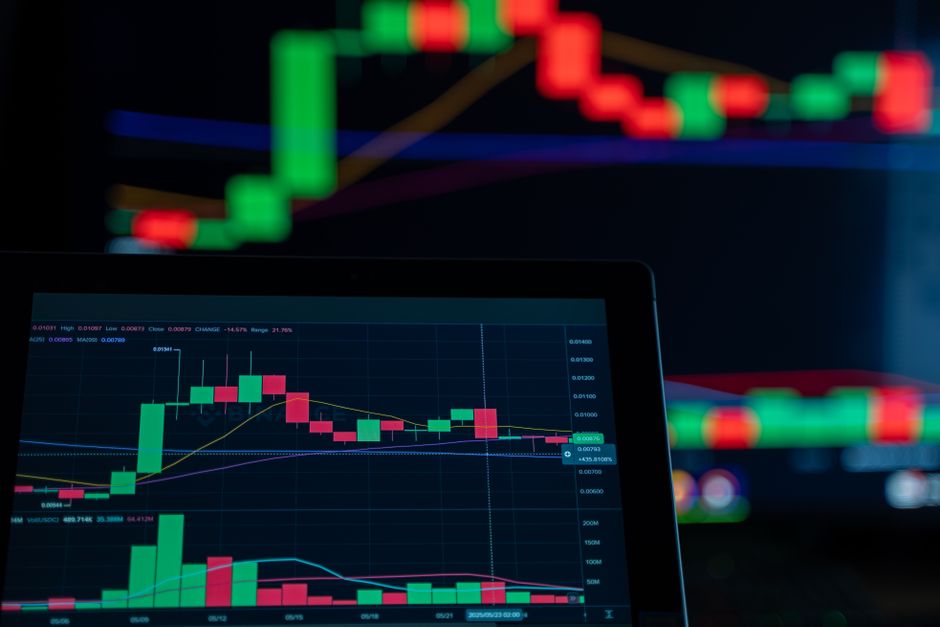
The warning signs are flashing bright red, with markets around the world already reflecting the growing concerns. The VIX index, a measure of market volatility, has surged to its highest level in over a year, while the S&P 500 index has fallen by over 10% in the past two weeks. The Indian market, which was already facing challenges, has been particularly hard hit, with the BSE Sensex falling by over 20% from its peak in January.
Root Causes
At the heart of the crisis is the US-China trade war, which has escalated in recent months with both sides imposing tariffs worth billions of dollars. The US has targeted China with tariffs worth over $250 billion, while China has imposed tariffs worth over $100 billion on US goods. The trade war has had far-reaching consequences, with both countries losing billions of dollars in bilateral trade. The global trade slowdown has also had a devastating impact on countries that rely heavily on exports, including India, which has seen its exports fall by over 15% in the past year.
Goldman Sachs analysts noted that the US-China trade war has already had a significant impact on the global economy, with trade volumes falling by over 10% in the past year. The analysts warned that the trade war could have a “long-term impact” on the global economy, with the potential to slow down economic growth and increase volatility. According to Morgan Stanley research, the trade war could also have a significant impact on emerging markets, which have already been hit hard by the slowdown in global trade.
Market Implications
The market implications of Xi Jinping’s warning are far-reaching, with investors around the world scrambling to protect their portfolios from the escalating tensions. The US dollar has surged to its highest level in over a year, while the safe-haven assets, including gold and bonds, have rallied in response to the growing concerns. The Indian rupee, which has already been battered by the rupee-dollar dynamics, has now become a victim of this trade war, with the central bank forced to intervene in the foreign exchange market to stabilize the currency.
The market implications are particularly significant for Indian investors, who have already seen their portfolios take a beating in recent months. The BSE Sensex has fallen by over 20% from its peak in January, while the Nifty 50 index has fallen by over 15%. The market decline has also had a significant impact on individual investors, with many seeing their portfolios lose value in recent months.

How It Affects You
As investors, it’s essential to take a closer look at your portfolios and make necessary adjustments to protect your nest eggs from the escalating tensions. The first step is to evaluate your exposure to emerging markets, including India, which has been hit hard by the slowdown in global trade. If you have a significant allocation to emerging markets, it may be necessary to reduce your exposure to these markets until the global trade tensions calm down.
It’s also essential to diversify your portfolio by investing in safe-haven assets, including gold and bonds. These assets have historically performed well in times of market volatility and could provide a hedge against the growing concerns. Additionally, consider investing in sectors that are less exposed to the trade tensions, including technology and healthcare.
Sector Spotlight
The sector that has been hit the hardest by the market decline is the pharmaceuticals sector, which has fallen by over 25% in the past two weeks. The sector has been particularly hard hit due to the decline in global trade, which has led to a reduction in demand for pharmaceuticals. The sector is also exposed to the US-China trade war, with many pharmaceutical companies relying heavily on China for the production of active pharmaceutical ingredients (APIs).
Another sector that has been hit hard is the automotive sector, which has fallen by over 20% in the past two weeks. The sector has been particularly hard hit due to the slowdown in global trade, which has led to a reduction in demand for automobiles. The sector is also exposed to the US-China trade war, with many automotive companies relying heavily on China for the production of parts.
Expert Voices
According to Sudarshan Sen, Head of Research at Edelweiss Securities, “The market decline has been particularly hard on emerging markets, which have already been hit hard by the slowdown in global trade. The market volatility is likely to continue in the near term, with the US-China trade war remaining a significant risk to the global economy.”
Another expert, Anuj Gupta, Head of Research at IIFL Securities, noted that “The market decline has been particularly hard on the pharmaceuticals sector, which has fallen by over 25% in the past two weeks. The sector is likely to remain under pressure in the near term due to the decline in global trade and the exposure to the US-China trade war.”
Key Uncertainties
The key uncertainties that will determine the market’s trajectory in the coming weeks are the outcome of the US-China trade talks and the impact of the US-China trade war on the global economy. The trade talks between the US and China have stalled, with both sides refusing to budge on key issues. The US has demanded that China reduce its trade deficit with the US, while China has insisted that the US remove its tariffs.
Another key uncertainty is the impact of the market decline on the global economy. The market decline has already had a significant impact on emerging markets, including India, which has seen its exports fall by over 15% in the past year. The market decline has also had a significant impact on individual investors, with many seeing their portfolios lose value in recent months.

Final Outlook
The market outlook remains uncertain, with investors around the world scrambling to protect their portfolios from the escalating tensions. The US-China trade war remains a significant risk to the global economy, with the potential to slow down economic growth and increase volatility. India’s economic woes are likely to continue in the near term, with the trade deficit widening and the rupee remaining under pressure.
However, there are also opportunities for investors who are willing to take a contrarian view. The market decline has created a buying opportunity for investors who are willing to take a longer-term view. The Indian market has already begun to show signs of recovery, with the BSE Sensex rising by over 5% in the past week. The market is likely to remain volatile in the near term, but investors who are willing to take a risk may be rewarded in the long term.