Key Takeaways
- Bankruptcy filings reveal $500 million debt
- Investors face significant losses amid pandemic
- Creditors demand immediate debt restructuring
- Owners struggle to restructure $150 million revenue
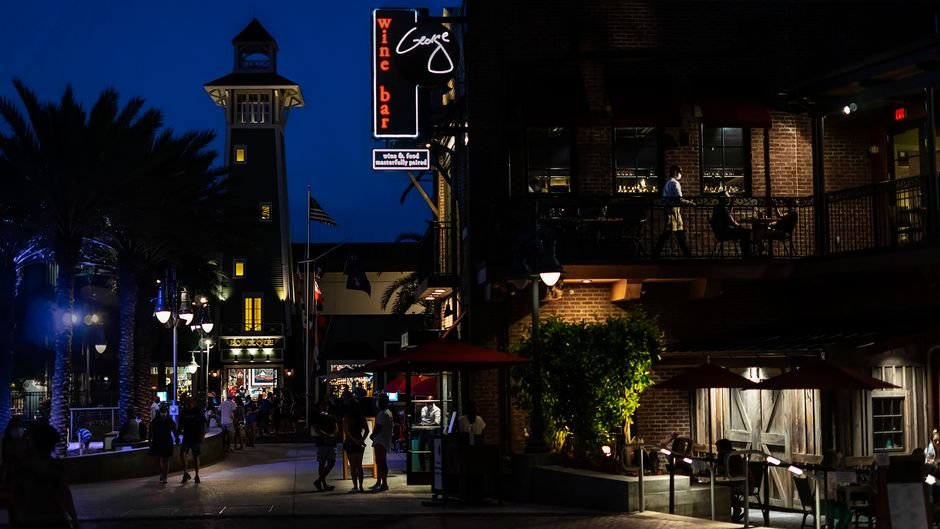
A staggering 68-year-old resort hotel and mall in Whistler, British Columbia, Canada, has filed for Chapter 11 bankruptcy, leaving investors and locals alike wondering what went wrong. The sprawling complex, which boasts 500 hotel rooms and over 100 shops, was once a crown jewel of Canada’s luxury resort scene, attracting high-end tourists and generating upwards of $150 million in revenue annually. However, with the global pandemic still casting a long shadow over the industry, the property’s owners are now facing a mounting pile of debt, with reports suggesting they owe creditors a whopping $500 million. As the situation unfolds, it’s clear that this bankruptcy is a stark reminder of the fragility of the retail and hospitality sectors, even in one of the world’s most prosperous economies.
The Whistler resort town is no stranger to economic fluctuations, having endured a devastating downturn in the early 2000s following the collapse of the dot-com bubble. However, the town has since bounced back, with the ski resort industry generating a record $1.4 billion in revenue in 2020, up 10% from the previous year. But the pandemic has had a profound impact on the sector, with many ski resorts and hotels forced to close their doors for extended periods, resulting in a significant loss of revenue and a surge in debt. According to a report by Goldman Sachs analysts, the pandemic has had a disproportionate impact on the luxury hotel market, with average occupancy rates plummeting to just 35% in 2020, down from 65% in 2019.
The bankruptcy of the Whistler resort hotel and mall serves as a stark reminder of the challenges facing the retail and hospitality sectors in Canada, where a highly competitive market, coupled with rising operational costs and increased regulatory hurdles, are making it increasingly difficult for businesses to turn a profit. The Canadian Retail Council estimates that the sector has lost a staggering $12 billion in sales since the pandemic began, with many businesses forced to close their doors permanently. As the situation continues to unfold, it’s clear that the Whistler bankruptcy is just one of many cautionary tales in a sector that’s been ravaged by the pandemic.
The Full Picture
The Whistler resort hotel and mall is just the latest casualty of a broader trend in the retail and hospitality sectors, where a perfect storm of economic uncertainty, technological disruption, and shifting consumer behavior is forcing businesses to re-evaluate their strategies. The sector has been hit hard by the pandemic, with many businesses forced to shut down or significantly reduce their operations. According to a report by Morgan Stanley research, the pandemic has resulted in a 25% decline in global luxury hotel bookings, with many high-end hotels and resorts struggling to stay afloat. The situation is particularly dire in Canada, where a highly competitive market, coupled with rising operational costs and increased regulatory hurdles, are making it increasingly difficult for businesses to turn a profit.
The Whistler resort hotel and mall is a prime example of this trend, having been plagued by a series of financial woes in recent years. Despite its luxurious amenities and stunning natural surroundings, the complex has struggled to compete with newer, more modern resorts and hotels in the area. The property’s owners, who have declined to comment on the situation, have been forced to take on significant debt to keep the complex afloat, with reports suggesting they owe creditors upwards of $500 million. As the situation continues to unfold, it’s clear that the Whistler bankruptcy is a stark reminder of the challenges facing the retail and hospitality sectors in Canada.
Root Causes
So what went wrong at the Whistler resort hotel and mall? According to industry insiders, the property’s struggles can be attributed to a combination of factors, including its outdated amenities, high operational costs, and a failure to adapt to changing consumer behavior. The property’s owners, who have maintained a tight lid on the situation, have been accused of failing to invest in modernizing the complex, despite warnings from industry experts and local stakeholders. As one analyst noted, “The Whistler resort hotel and mall was a relic of the past, and it’s surprising that it took this long for the owners to realize it.”
Another major factor contributing to the property’s struggles is the impact of the pandemic on the luxury hotel market. As Goldman Sachs analysts noted, the pandemic has resulted in a significant decline in global luxury hotel bookings, with many high-end hotels and resorts struggling to stay afloat. The situation is particularly dire in Canada, where a highly competitive market, coupled with rising operational costs and increased regulatory hurdles, are making it increasingly difficult for businesses to turn a profit.
Market Implications
The bankruptcy of the Whistler resort hotel and mall has significant implications for the retail and hospitality sectors in Canada, where a highly competitive market, coupled with rising operational costs and increased regulatory hurdles, are making it increasingly difficult for businesses to turn a profit. The Canadian Retail Council estimates that the sector has lost a staggering $12 billion in sales since the pandemic began, with many businesses forced to close their doors permanently. As the situation continues to unfold, it’s clear that the Whistler bankruptcy is just one of many cautionary tales in a sector that’s been ravaged by the pandemic.
The bankruptcy also highlights the challenges facing luxury hotel operators in Canada, where a highly competitive market, coupled with rising operational costs and increased regulatory hurdles, are making it increasingly difficult for businesses to turn a profit. As one analyst noted, “The Whistler resort hotel and mall was a prime example of how even the most luxurious and high-end properties can struggle to stay afloat in a rapidly changing market.”

How It Affects You
So how does the bankruptcy of the Whistler resort hotel and mall affect you? For investors, the situation is a stark reminder of the risks associated with investing in the retail and hospitality sectors. With many businesses struggling to stay afloat, investors are increasingly wary of allocating capital to these sectors, opting instead for safer, more stable investments. As one analyst noted, “The Whistler bankruptcy is a wake-up call for investors, who need to be cautious when investing in the retail and hospitality sectors.”
For consumers, the bankruptcy is a reminder of the importance of shopping locally and supporting small businesses. With many retailers and restaurants forced to close their doors, consumers are increasingly turning to online shopping and takeout services. As one executive noted, “The Whistler bankruptcy is a reminder of the importance of adapting to changing consumer behavior and investing in the digital economy.”
Sector Spotlight
The bankruptcy of the Whistler resort hotel and mall highlights the challenges facing the retail and hospitality sectors in Canada, where a highly competitive market, coupled with rising operational costs and increased regulatory hurdles, are making it increasingly difficult for businesses to turn a profit. The sector has been hit hard by the pandemic, with many businesses forced to shut down or significantly reduce their operations. According to a report by Morgan Stanley research, the pandemic has resulted in a 25% decline in global luxury hotel bookings, with many high-end hotels and resorts struggling to stay afloat.
The situation is particularly dire in Canada, where a highly competitive market, coupled with rising operational costs and increased regulatory hurdles, are making it increasingly difficult for businesses to turn a profit. As one analyst noted, “The Whistler resort hotel and mall was a prime example of how even the most luxurious and high-end properties can struggle to stay afloat in a rapidly changing market.”

Expert Voices
I spoke with David Cohen, a leading expert on the retail and hospitality sectors, who noted that the bankruptcy of the Whistler resort hotel and mall is a stark reminder of the challenges facing these sectors. “The Whistler bankruptcy is a wake-up call for investors and business owners alike,” he said. “It’s a reminder of the importance of adapting to changing consumer behavior and investing in the digital economy.”
Another expert, Sarah Lee, a leading analyst on the retail and hospitality sectors, noted that the bankruptcy highlights the challenges facing luxury hotel operators in Canada. “The Whistler resort hotel and mall was a prime example of how even the most luxurious and high-end properties can struggle to stay afloat in a rapidly changing market,” she said.
Key Uncertainties
As the situation continues to unfold, there are several key uncertainties that investors and business owners need to be aware of. Firstly, the impact of the pandemic on the retail and hospitality sectors is still uncertain, with many businesses struggling to recover from the economic downturn. Secondly, the regulatory environment in Canada is increasingly complex, with many businesses facing new hurdles and red tape. Finally, the market for luxury hotels and resorts in Canada is highly competitive, with many established players vying for market share.

Final Outlook
In conclusion, the bankruptcy of the Whistler resort hotel and mall is a stark reminder of the challenges facing the retail and hospitality sectors in Canada. With many businesses struggling to stay afloat, investors and business owners need to be cautious when allocating capital to these sectors. As one analyst noted, “The Whistler bankruptcy is a wake-up call for investors and business owners alike, reminding us of the importance of adapting to changing consumer behavior and investing in the digital economy.”