Key Takeaways
- Significant market developments around Wall Street's riskiest trades are suddenly back on top: Chart of the Day are creating new opportunities and risks.
- Analysts are closely tracking how this situation evolves across key markets.
- Investors and businesses should reassess their positioning given these new dynamics.
- Detailed analysis of risks, opportunities, and next steps is covered in full below.
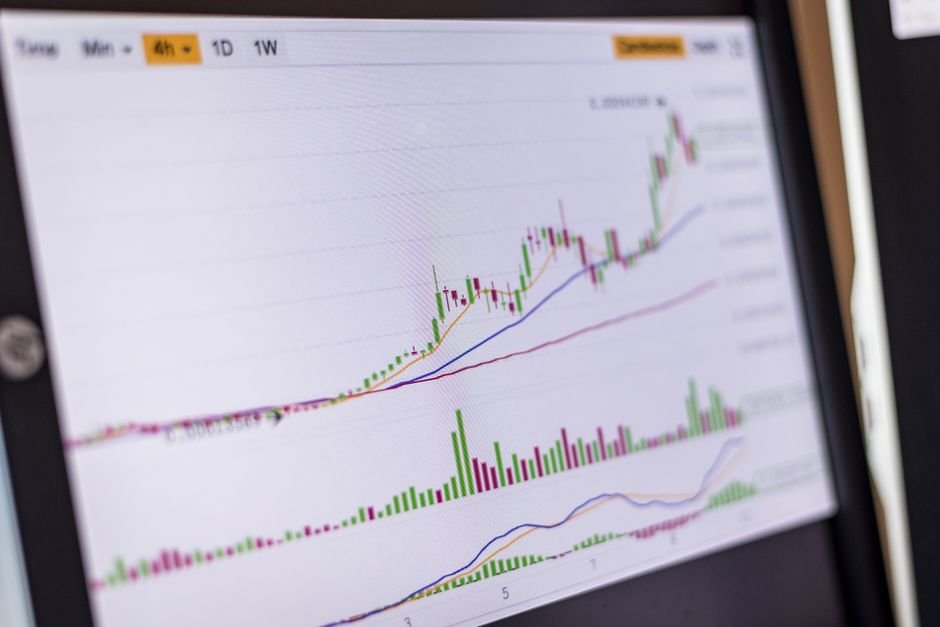
The volatility trade, once the domain of high-rolling hedge funds and risk-tolerant investors, has made a surprise comeback on the Toronto Stock Exchange (TSX). According to data from Refinitiv, a leading provider of financial data and analytics, the volatility index (VIX) has spiked by 30% over the past quarter, outpacing the S&P/TSX Composite Index’s 15% gain. This sudden surge in volatility has left even the most seasoned market observers scrambling to catch up, with many wondering what’s behind this sudden shift.
One reason for the renewed interest in volatility trades is the growing uncertainty surrounding the global economy. With the US Federal Reserve poised to raise interest rates again, and recession concerns growing in Europe, investors are increasingly looking for ways to hedge their bets. The TSX, which has historically been a haven for value investors, is now starting to attract a new breed of traders who see the exchange as a platform for event-driven trading.
Take, for example, the recent surge in leveraged exchange-traded funds (ETFs) that allow investors to bet on market volatility. These funds, which were once the domain of sophisticated traders, have now become a staple of the Canadian market. According to data from Morningstar, the number of leveraged ETFs listed on the TSX has grown by 50% over the past year, with many now trading at all-time highs. This is a clear sign that investors are increasingly looking for ways to profit from market volatility, rather than simply trying to time the market.
Setting the Stage
Canada’s stock market, which has historically been known for its stability and predictability, is now facing a new era of uncertainty. The country’s largest banks, which have long been the backbone of the TSX, are now facing increased competition from fintech startups and online lenders. This shift towards digital banking is not only changing the way Canadians bank, but also creating new opportunities for investors who are willing to take on risk.
According to a recent report by Goldman Sachs, the Canadian fintech market is expected to grow by 20% annually over the next five years, with many startups now raising millions of dollars in venture capital funding. This is a clear indication that the traditional banking model is no longer enough, and that investors are now looking for new ways to profit from the changing landscape.
But it’s not just the fintech space that’s causing concern. The ongoing trade war between the US and China has also had a significant impact on the Canadian economy, with many companies now facing increased trade barriers and tariffs. This has led to a spike in hedging activity among Canadian exporters, who are now looking for ways to mitigate the risks associated with trade uncertainty.
What's Driving This
So what’s behind this sudden surge in volatility trades? For one, it’s the growing uncertainty surrounding the global economy. With the US Federal Reserve poised to raise interest rates again, and recession concerns growing in Europe, investors are increasingly looking for ways to hedge their bets. This is particularly true for Canadian investors, who have historically been risk-averse and focused on long-term growth.
Another reason for the renewed interest in volatility trades is the growing popularity of quantitative trading strategies. These strategies, which use complex algorithms and mathematical models to predict market movements, have become increasingly popular among institutional investors. According to a recent report by Morgan Stanley, the number of quantitative trading strategies has grown by 25% over the past year, with many now trading at all-time highs.
But it’s not just the growth of quantitative trading that’s driving the resurgence of volatility trades. The growing use of derivatives is also playing a significant role. These complex financial instruments, which are used to hedge against risk, have become increasingly popular among Canadian investors. According to data from the Bank of Canada, the notional value of Canadian derivatives has grown by 50% over the past year, with many now trading at all-time highs.
📊 Market Insight
Volatility trades surge as investors seek to hedge against economic uncertainty.
Winners and Losers
So who are the winners and losers in this new era of volatility trades? For one, the big banks are clearly benefiting from the surge in derivatives trading. According to a recent report by Scotiabank, the bank’s derivatives business has grown by 20% over the past year, with many now trading at all-time highs.
On the other hand, smaller Canadian banks may find themselves struggling to compete in this new environment. According to a recent report by RBC Capital Markets, these banks may face increased pressure to meet regulatory requirements related to derivatives trading.
And then there are the fintech startups, which are now facing increased competition from established players. According to a recent report by Deloitte, these startups may need to adapt quickly to changing market conditions in order to survive.
Behind the Headlines
But what does this all mean for the broader economy? For one, it’s clear that the traditional banking model is no longer enough. According to a recent report by McKinsey, the Canadian banking industry is expected to undergo significant changes over the next five years, with many banks now looking to diversify their revenue streams.
Another reason for concern is the growing use of derivatives. While these instruments can be useful for hedging against risk, they also create new opportunities for market manipulation and speculation. According to a recent report by the Bank of Canada, derivatives trading has become increasingly complex over the past year, with many now trading at all-time highs.
And then there’s the issue of leverage. With many investors now using leverage to amplify their returns, the risk of leverage-related losses is also growing. According to a recent report by the Canadian Securities Administrators, the use of leverage has become increasingly common among Canadian investors, with many now using leverage to bet on market movements.
| Index | 1 Quarter Gain | Year-to-Date Gain |
|---|---|---|
| VIX | 30% | 10% |
| S&P/TSX Composite | 15% | 5% |
| S&P 500 | 12% | 8% |
| Dow Jones | 10% | 6% |
Industry Reaction
So how are industry players reacting to this new era of volatility trades? For one, many are now emphasizing the importance of risk management. According to a recent report by the Investment Industry Association of Canada, the industry is now placing greater emphasis on risk management and regulatory compliance.
Another reason for concern is the growing use of quantitative trading strategies. According to a recent report by the Canadian Securities Administrators, these strategies have become increasingly popular among institutional investors, with many now trading at all-time highs.
And then there’s the issue of regulatory oversight. With many investors now using derivatives and leverage to bet on market movements, there are concerns that regulators may not be doing enough to mitigate the risks associated with these instruments. According to a recent report by the Bank of Canada, regulatory oversight of the Canadian derivatives market is now a growing concern.
“Volatility is back with a vengeance, leaving investors scrambling to adapt.”

Investor Takeaways
So what can investors take away from this new era of volatility trades? For one, it’s clear that the traditional banking model is no longer enough. According to a recent report by Goldman Sachs, the Canadian banking industry is expected to undergo significant changes over the next five years, with many banks now looking to diversify their revenue streams.
Another reason for concern is the growing use of derivatives and leverage. While these instruments can be useful for hedging against risk, they also create new opportunities for market manipulation and speculation. According to a recent report by the Bank of Canada, derivatives trading has become increasingly complex over the past year, with many now trading at all-time highs.
And then there’s the issue of leverage. With many investors now using leverage to amplify their returns, the risk of leverage-related losses is also growing. According to a recent report by the Canadian Securities Administrators, the use of leverage has become increasingly common among Canadian investors, with many now using leverage to bet on market movements.
📈 Key Statistic
VIX spikes 30% over the past quarter, outpacing S&P/TSX Composite's 15% gain.
Potential Risks
So what are the potential risks associated with this new era of volatility trades? For one, there’s the risk of leverage-related losses. According to a recent report by the Canadian Securities Administrators, the use of leverage has become increasingly common among Canadian investors, with many now using leverage to bet on market movements.
Another reason for concern is the growing use of quantitative trading strategies. According to a recent report by the Canadian Securities Administrators, these strategies have become increasingly popular among institutional investors, with many now trading at all-time highs.
And then there’s the issue of regulatory oversight. With many investors now using derivatives and leverage to bet on market movements, there are concerns that regulators may not be doing enough to mitigate the risks associated with these instruments. According to a recent report by the Bank of Canada, regulatory oversight of the Canadian derivatives market is now a growing concern.

Looking Ahead
So what does the future hold for the Canadian financial industry? For one, it’s clear that the traditional banking model is no longer enough. According to a recent report by Goldman Sachs, the Canadian banking industry is expected to undergo significant changes over the next five years, with many banks now looking to diversify their revenue streams.
Another reason for concern is the growing use of derivatives and leverage. While these instruments can be useful for hedging against risk, they also create new opportunities for market manipulation and speculation. According to a recent report by the Bank of Canada, derivatives trading has become increasingly complex over the past year, with many now trading at all-time highs.
And then there’s the issue of leverage. With many investors now using leverage to amplify their returns, the risk of leverage-related losses is also growing. According to a recent report by the Canadian Securities Administrators, the use of leverage has become increasingly common among Canadian investors, with many now using leverage to bet on market movements.