
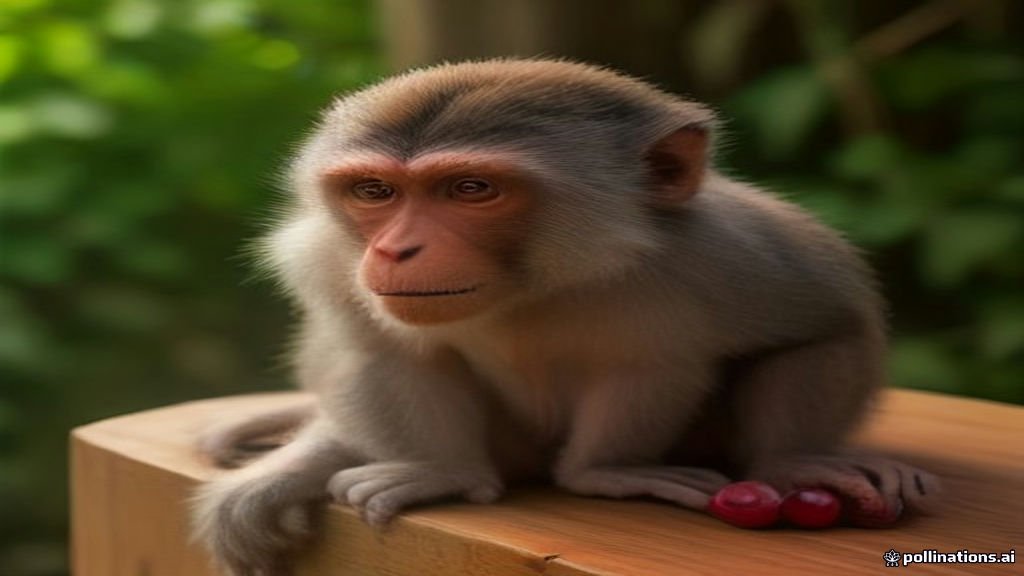
Surviving a Viral Outbreak Makes Macaques Wary of Germs, Study Finds
When COVID-19 swept the globe, millions of humans adopted extreme precautionary habits, wiping down delivered groceries and leaving mail outside to quarantine. Research now shows that humans aren’t the only primates whose behavior shifts toward germophobia after living through a deadly disease outbreak. According to a study published in the journal Royal Society Open Science, macaques at a Texas sanctuary demonstrated a similar leap in caution following a lethal viral event. In 2020, an outbreak of Simian Retrovirus (SRV)—an HIV-like pathogen transmitted through bodily fluids—hit an enclosure housing more than 100 macaques at the facility. The virus proved devastating. Once a monkey is infected, the disease “can take a rapid progression, where about three to four weeks after you initially get infected, you might die,” said Stephan Kaufhold, a cognitive scientist at UC San Diego. Plenty of macaques succumbed to the infection, while others developed chronic immunodeficiency. Sanctuary staff responded by separating the animals into two distinct groups: those who had experienced the outbreak firsthand or witnessed others falling ill, and those who had no exposure to the virus.
The Grape and Epoxy Test
Kaufhold wanted to explore a key biological question. “Something that has been less studied is the question of how flexible this avoidance is,” he said, aiming to determine whether surviving an epidemic makes individual primates more cautious about potential pathogens. To test this, researchers conducted nearly 200 trials from 2022 to 2024, offering individual macaques a choice between two red grapes. While the animals receive a great diet at the sanctuary, grapes aren’t served daily, making them a prized treat. One grape rested on a plain, clean piece of wood. The second sat atop macaque feces encased in clear epoxy—a setup designed to prevent actual ingestion of waste while presenting a glossy, visually repulsive object. The behavioral difference between the two groups was stark. Among macaques with no history of the outbreak, 79% ate the grape resting on the fecal display. By contrast, only 47% of the outbreak veterans were willing to eat it.
Evolutionary Impulse or Coincidence?
Kaufhold suggests the surviving monkeys developed a heightened sensitivity to disgust, an evolutionary mechanism designed to protect bodies from parasites and pathogens. However, outside experts urge careful interpretation. Andrew MacIntosh, a biologist at the Wilder Institute who wasn’t involved in the research, noted that while past exposure to outbreaks could plausibly make animals more risk-averse, the years elapsed between the 2020 outbreak and the 2022–2024 testing period leave room for other influencing factors. MacIntosh also pointed out that SRV spreads through bites and scratches rather than waste. “The mode of transmission of that virus has really nothing to do with fecal contamination,” MacIntosh said. Kaufhold clarified that researchers aren’t suggesting the monkeys understood viral mechanics. Instead, the study indicates a general, evolved surge in caution—a protective instinct that kicks in when pathogens threaten a population, much like the early human reactions to COVID-19.