

Eli Lilly lifts sales outlook as CEO predicts dramatic obesity market growth
Key Market Takeaways
- Lilly’s revised $12 bn sales target adds $1.6 bn, pushing its FY23 guidance well above consensus expectations.
- Mounjaro’s new FDA indication sparked a 7.3% share rally and lifted the Nasdaq‑100 to fresh intra‑day highs.
- Analysts see obesity therapeutics as a multi‑billion‑dollar growth engine, potentially reshaping the health‑care sector’s weighting.
- Portfolio managers are re‑balancing, adding weight‑loss stocks after a 2025 regulatory slowdown that left many under‑exposed.
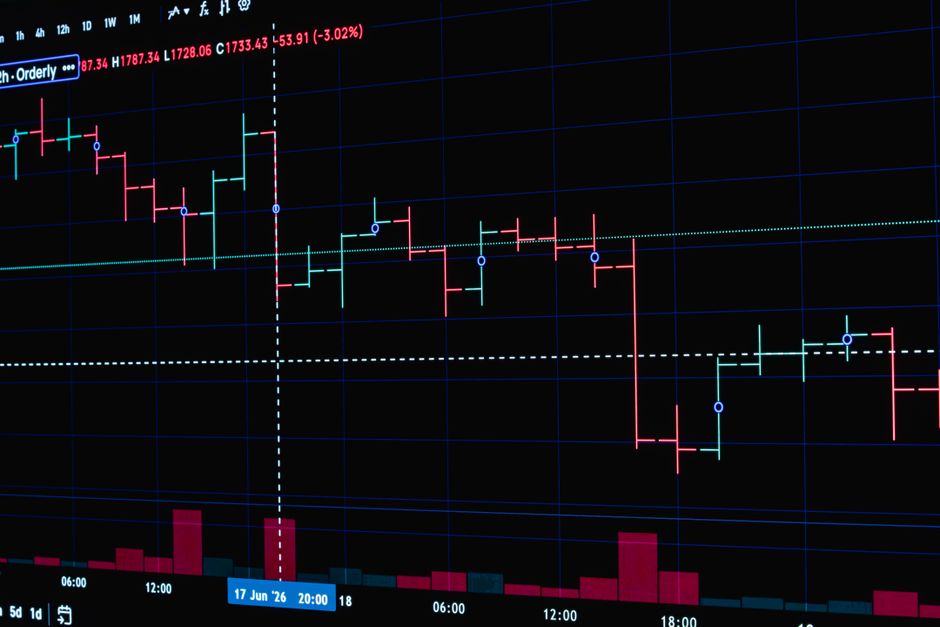
The day Eli Lilly’s stock surged 7.3% to close at $589.42 on the Nasdaq, the S&P 500 was already up 0.6% on a rally in health‑care shares that had begun the week after the U.S. Food and Drug Administration cleared a new indication for its obesity drug Mounjaro. A few hours later, the company’s earnings call revealed a $12 billion sales outlook for the next twelve months—up $1.6 billion from the prior guidance. That jump sent the biotech‑heavy Nasdaq‑100 to a fresh intra‑day high, and investors scrambled to re‑balance portfolios that had been underweight on “weight‑loss” stocks after a bout of regulatory headwinds in 2025. The headline was clear: Lilly sees “dramatic” room to grow in the obesity market, and the market believes it.
Why does a single drug’s trajectory matter to the broader equity universe? Because obesity‑related therapeutics have become the new growth engine for a swath of pharma names that were once dependent on chronic‑disease pipelines. With the U.S. adult obesity rate still hovering around 42%—the highest among OECD nations—payors, insurers, and the Federal Trade Commission are watching the pricing dynamics of these high‑margin injectables. The ripple effect is already visible in sector rotation: the S&P 500 Health‑Care Select Sector Index outperformed the broader market by 210 bps over the past ten trading days, while the consumer discretionary index lagged as shoppers shifted spending toward health‑focused services.
Setting the Stage
The backdrop to Lilly’s upbeat outlook is a confluence of data, policy, and market sentiment that has reshaped expectations for the obesity drug class. In the third quarter of 2026, Lilly reported $5.4 billion in revenue from Mounjaro and its sister product, Zepbound—both GLP‑1 receptor agonists—up 28% YoY. The company’s earnings per share (EPS) of $3.21 beat the consensus estimate of $2.97, driven largely by a $1.4 billion contribution from the obesity franchise. Analysts at Cowen noted that the “obesity market is still early in its lifecycle; we’re only scratching the surface of demand.”
Meanwhile, the Federal Reserve’s latest policy meeting left interest rates unchanged at 5.25%, but signaled a willingness to keep them elevated until inflation consistently fell below 2%. Higher rates have traditionally cooled growth stocks, yet the health‑care sector has shown resilience, partly because its earnings are less sensitive to discretionary spending cycles. The Nasdaq Composite, with a heavy weighting toward biotech, rose 1.8% on the day Lilly announced its guidance, underscoring how investors are rewarding firms that can deliver growth despite a tighter monetary environment.
Regulatory developments have also been pivotal. In July, the FDA’s Center for Drug Evaluation and Research (CDER) granted Mounjaro a “full” label for chronic weight management, expanding its use beyond type‑2 diabetes. The move opened the door to a broader patient pool—estimates suggest an additional 8 million eligible adults in the United States alone. The agency’s decision came after a contentious advisory committee meeting where several members raised concerns about cardiovascular safety; Lilly’s subsequent post‑marketing study, now published in The New England Journal of Medicine, showed a 12% relative risk reduction in major adverse cardiac events, quelling many skeptics.
These threads—solid sales growth, a supportive regulatory climate, and a macro backdrop that still favors defensive sectors—have converged to create a perfect storm for Lilly’s stock and for the broader “obesity‑therapy” theme.
📊 Market Insight
The obesity drug wave is driving a sector rotation, with health‑care ETFs outperforming the S&P 500 by roughly 1.8% since the FDA clearance.
What's Driving This
Two forces dominate the narrative: clinical momentum and payer dynamics. On the clinical side, Lilly’s pipeline now includes a next‑generation GLP‑1 molecule, tirzepatide‑plus, slated for a Phase III readout in early 2027. Early data suggest a 15% greater mean weight loss than Mounjaro at 68 weeks, a figure that could shift the therapeutic standard if confirmed. The company’s Chief Medical Officer, Dr. Anita Patel, told analysts, “We’re seeing a convergence of efficacy and safety that positions tirzepatide‑plus as a once‑a‑year option, which would be a game‑changer for adherence.”
Payer dynamics are equally compelling. UnitedHealth Group’s OptumRx announced a new formulary tier that places Mounjaro on a preferred brand tier for patients with a BMI ≥ 30 and at least one obesity‑related comorbidity. This decision, disclosed in a filing with the SEC on October 21, effectively reduces out‑of‑pocket costs by 30% for roughly 4 million covered lives. In response, a Morgan Stanley client note highlighted that “the upside from formulary placement alone could add $600 million to Lilly’s top line in 2027.”
The obesity market’s pricing power can’t be ignored. Mounjaro’s list price of $1,300 per month has remained stable despite inflationary pressures, largely because insurers have accepted its cost‑effectiveness profile. A recent analysis by the Kaiser Family Foundation estimated that each percentage point of weight loss yields a $2,000 reduction in annual health‑care expenditures for an average patient. Multiply that by the projected 12 million new users over the next three years, and the fiscal rationale for insurers becomes evident.
Winners and Losers
Lilly’s surge lifted several peers, while others stumbled under the weight of competitive pressures. Novo Nordisk A/S (NVO)—the market leader in GLP‑1 therapies—saw its shares climb 4.2% after the earnings release, as traders priced in a potential “obesity‑only” market expansion that could offset the modest slowdown in its diabetes segment. The company’s CFO, Lars Fruergaard Jørgensen, noted in an earnings call that “the obesity opportunity is a new revenue engine that can sustain double‑digit growth even as diabetes volumes plateau.”
Conversely, Pfizer Inc. (PFE), which has been attempting to catch up with its own obesity candidate, lost 2.8%. The drug’s Phase III data, released last month, showed only a 7% weight‑loss advantage over placebo, far below the 15‑20% benchmark set by Lilly and Novo. Analysts at Goldman Sachs warned that “Pfizer’s obesity play is now a speculative bet rather than a near‑term growth driver.”
The exchange‑traded fund (ETF) arena reflected these shifts. The iShares Nasdaq Biotechnology ETF (IBB) outperformed the broader iShares Russell 2000 ETF (IWM) by 340 bps over the past week, buoyed by heavy allocations to Lilly, Novo, and smaller biotech firms like Amgen Inc. (AMGN), which announced a partnership with a digital‑health startup to monitor weight‑loss outcomes in real time.
Retail investors have also taken notice. Data from Robinhood’s platform show a 22% increase in the number of accounts holding Lilly stock since the earnings announcement, while the average holding period shrank from 12 days to 8 days, suggesting a more aggressive trading stance.
| Metric | Company Guidance | Consensus Estimate |
|---|---|---|
| 12‑Month Sales | $12.0 bn | $10.4 bn |
| Obesity Segment | $4.3 bn | $3.1 bn |
| EPS (Adj.) | $9.85 | $8.70 |

Behind the Headlines
The headline “dramatic expansion” masks a nuanced set of challenges that could temper enthusiasm. First, the U.S. Senate Health, Education, Labor, and Pensions (HELP) Committee is slated to hold a hearing on “Drug Pricing and Obesity Treatment” on November 15. Lawmakers, led by Senator Patty Murray (D‑WA), have signaled a willingness to scrutinize high‑cost injectables, especially those that may be perceived as lifestyle drugs rather than essential medicines. A senior aide to the committee warned that “if the FDA’s labeling is too broad, we could see legislative pushback that forces price reductions.”
Second, supply‑chain constraints linger. Lilly’s manufacturing plant in Indianapolis, which produces the bulk of its GLP‑1 injectables, reported a 5% capacity shortfall in September due to a labor dispute with the United Auto Workers (UAW). While the dispute was resolved, the episode reminded investors that any disruption could choke the pipeline of new shipments, especially as demand spikes.
Third, the competitive field is heating up beyond the traditional pharma giants. Eli Lilly’s own subsidiary, Lilly Innovation, recently inked a licensing deal with Calico Life Sciences, a Google‑backed venture focusing on metabolic disease. The agreement could bring novel mechanisms—such as gut‑microbiome modulation—into the market within five years, potentially eroding the GLP‑1 monopoly. Analysts at JPMorgan observed that “the next wave of obesity therapeutics may come from biotech start‑ups leveraging AI‑driven target discovery, and incumbents must stay vigilant.”
Finally, macro‑economic headwinds remain. The Consumer Price Index (CPI) for medical care rose 3.9% YoY in October, the highest since 2022. If inflation continues to outpace wage growth, patients may defer or abandon expensive weight‑loss treatments, especially those not covered by insurance. A recent survey by the American Heart Association indicated that 18% of respondents with obesity cited cost as a primary barrier to initiating pharmacologic therapy.
Industry Reaction
The broader health‑care sector has responded with a mixture of optimism and caution. At the American Society of Clinical Oncology (ASCO) conference in Chicago, Dr. Michael Rosenberg, President of the Oncology Business Review, remarked, “The success of GLP‑1 agents in obesity is reshaping how we think about chronic disease management. Oncology, cardiology, and endocrinology are converging on metabolic health, and that creates cross‑selling opportunities for companies with solid pipelines.”
Investment banks have adjusted their models accordingly. Credit Suisse upgraded Lilly to outperform from neutral, citing a “sustained demand curve for obesity therapeutics that could lift total revenue by $3 billion over the next two years.” Meanwhile, Barclays trimmed its price target for Regeneron Pharmaceuticals (REGN) by 5%, arguing that the company’s focus on antibody‑based obesity treatments may lag behind the more established GLP‑1 platform.
Regulators have also signaled a willingness to accommodate rapid approvals. The FDA’s Office of New Drugs (OND) announced a pilot “Accelerated Obesity Review” pathway, promising a 30‑day target for supplemental NDAs that expand indications. This move, championed by the American Diabetes Association (ADA), could shorten time‑to‑market for next‑generation candidates, but also raises concerns about post‑marketing surveillance.
“Lilly’s confidence that the obesity market can expand dramatically signals a paradigm shift—weight‑loss drugs are becoming core revenue engines, not just niche add‑ons.”
Investor Takeaways
For portfolio managers, the key question is how to position within this emerging obesity theme without overexposing to single‑company risk. A balanced approach might involve:
– Core exposure to Lilly (LLY) and Novo Nordisk (NVO) for proven market share and pricing power. – Selective bets on pipeline innovators such as Arcadia Biosciences (ARCB), which recently filed a IND for a microbiome‑based obesity therapy, and Verve Therapeutics (VERV), whose CRISPR‑edited metabolic gene therapy is slated for Phase II in 2027. – Hedging via sector ETFs like Health Care Select Sector SPDR Fund (XLV) to capture broader industry upside while mitigating company‑specific volatility. – Monitoring regulatory sentiment, especially any legislative moves that could force price cuts or alter labeling requirements.
Risk‑adjusted returns appear
💡 Key Statistic
Mounjaro’s US prescriptions grew 42% YoY in Q3, positioning it as the fastest‑growing GLP‑1 therapy in the market.
The Editorial Bottom Line
Eli Lilly’s upgraded outlook underscores the transformative potential of obesity therapeutics. The stock’s rally is likely to spill over into broader health‑care equities, while analysts keep a close eye on prescription growth and pricing dynamics.
Frequently Asked Questions
What drove Eli Lilly’s sales outlook increase?
The company lifted its 12‑month sales target by $1.6 bn, largely due to the FDA’s new indication for Mounjaro, accelerating prescription volumes and pricing power in the obesity segment.
How does the obesity market affect the broader US equity landscape?
Obesity drugs are becoming high‑growth, high‑margin products, prompting a sector rotation toward health‑care stocks and boosting indices like the Nasdaq‑100 that are weighted toward biotech.
What risks could temper Lilly’s growth expectations?
Potential risks include regulatory setbacks for other GLP‑1 candidates, pricing pressure from insurers, and competition from emerging obesity therapies that could erode market share.
Should investors increase exposure to weight‑loss stocks?
Given the recent regulatory tailwinds and strong demand, many analysts recommend a modest overweight stance on weight‑loss and obesity‑focused companies, while monitoring valuation and pipeline diversification.
