
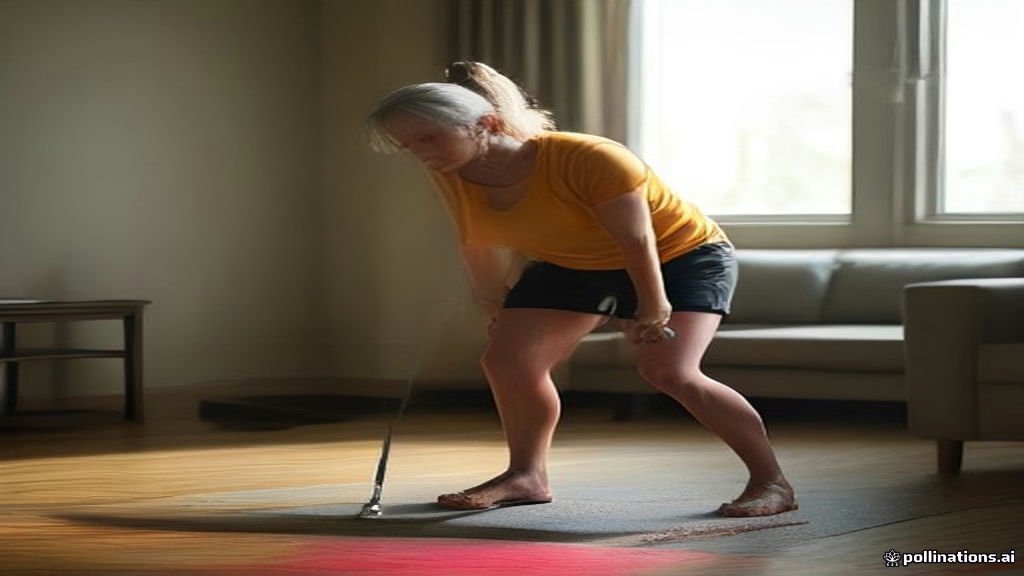
Maintaining Physical Independence in Older Age Demands Focus on Muscle and Movement, Specialist Says
Three out of four Americans aged 50 and older want to remain in their homes as they grow older, according to data from AARP. Yet maintaining that independence depends heavily on daily routine decisions made long before assisted living becomes a consideration.
Dr. Vonda Wright, a double board-certified orthopedic surgeon based in Orlando, Florida, points out that loss of independence in older adults often stems from a few primary challenges: difficulty standing up from a chair, managing personal care, memory impairment. And incontinence. To counter physical decline, Wright emphasizes protecting the entire musculoskeletal system, including bones, muscles, and tendons.
"The missing piece in most conversations between mental health, physical health and independence is your skeletal longevity," Wright said.
Building Strength and Rejecting Continuous Rest
Movement remains fundamental throughout life. "When you think about it, it’s our first skill. We learn to walk when we’re 1," Wright noted, advocating for persistent activity even when joint pain develops. "Even when your hips hurt, even when your knees hurt, you should move on the ground, or get in a pool in chest-high water," she suggested.
While Wright cautions against exercising through acute injuries or severe pain, she rejects the notion that total rest resolves chronic discomfort. Instead, strengthening the surrounding muscles supports failing joints. The Centers for Disease Control and Prevention recommends low-impact options such as walking, cycling, and water exercises to keep older adults mobile.
Rebuilding muscle is possible at virtually any stage of life. Wright cited landmark 1990 research conducted by Dr. Maria Fiatarone at Tufts University, where nine nursing home residents underwent eight weeks of high-intensity resistance training. Participants increased their muscle strength by an average of 174% alongside improvements in muscle size and mobility.
Guidelines from the National Institute on Aging advise older adults to perform muscle-strengthening exercises at least two days a week. Suitable options include resistance bands, hand weights, and body-weight movements, with beginners advised to start gradually and consult a physician or physical therapist.
Nutrition, Mindset, and Family Planning
Proper strength training requires adequate nutrition, yet many seniors significantly decrease their food intake as they age. Wright observes this trend frequently, noting that people can’t build muscle or sustain energy without a protein-forward diet containing sufficient calories. The National Institute on Aging recommends incorporating protein-rich foods such as seafood, dairy, fortified soy products, beans, and lentils throughout the day.
Beyond diet and exercise, mental attitude plays a critical role in long-term health. Wright warns against treating physical decline as an unavoidable consequence of getting older.
Planning for long-term mobility should begin decades earlier, during a person’s 30s and 40s. Wright encourages families to hold direct conversations about long-term care goals and community support options, noting that many elderly parents avoid asking for help because they fear becoming a burden to their children.
Illustrating how targeted assistance maintains autonomy, Wright arranged weekly meal deliveries for her own 86-year-old parents who live with her family, ensuring they receive proper nutrition while retaining their overall independence.