
Flat leaseholders in England and Wales paid an average service charge of £2,405 a year in 2025, data shows.
On average, homeowners with leasehold flats forked out £200.42 per month on service charges in 2025, a 4.6 per cent increase from 2024, estate agency Hamptons said.
Last year marked the first time monthly service charges for leasehold flats surpassed the £200 mark.
The average annual leasehold flat service charge rose 32.6 per cent, from £1,814 to £2,405, in the past five years, and 55.6 per cent over the last decade, according to the findings.
To put these service charge spikes into content, consumer prices index inflation increased by 30.9 per cent over the five year period and 39.8 per cent over the past decade.
More than a third of leasehold flat owners saw their service charge exceed 1 per cent of the value of their flat in 2025, up from 28 per cent a decade ago.
‘Some mortgage lenders become unwilling to lend above this figure’, Hamptons said. So, if you are looking for a mortgage on a £300,000 flat with an annual service charge of £4,000, you could find yourself in a quandary.
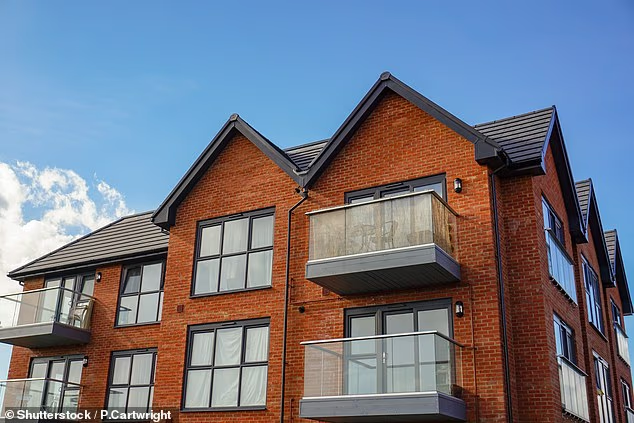
Expensive: Flat leaseholders in England and Wales paid an average service charge of £2,405 a year in 2025, data shows
Flats with a service charge at or below 1 per cent of their value were 50 per cent more likely to sell last year than those with charges of 2 per cent or more.
Fourteen per cent of flats had an annual service charge exceeding 2 per cent of their value in 2025, while 6 per cent, often city centre flats, had a charge exceeding 3 per cent.
Only 14 per cent of leasehold flats in England and Wales had a service charge of less than £100 per month, a figure which has halved from 34 per cent five years ago, Hamptons said.
London has long had the highest service charges in the country and has also seen the largest hikes in recent years.
Across the capital, the average annual service charge for a leasehold flat was £2,801 last year, or £233.45 a month, representing a 6.4 per cent year-on-year increase.
In the past five years, average annual service charges on leasehold owned flats in London have surged by 41.2 per cent. Over the last decade, they have increased by 64.5 per cent.
Hamptons said: ‘Higher charges in the capital typically reflect taller buildings, which offer more amenities and generally cost more to run’.
Nationally, the average annual service charge of a one-bed flat was £2,074 or £172.81 last year, while the average two-bed came in at £2,463 a year or £205.28 per month, up 4.8 per cent on the previous year.

Rising: Average annual leasehold flat service charges have risen sharply in recent years
Across England and Wales, leasehold flat owners typically paid £3,146 a year in service charges for a three-bed flat, equating to £262.16 a month.
Last year was the first time the annual service charge for flats in the three bedroom category surpassed the £3,000 a year mark.
The increase in service charges as a share of value reflected both rising service charges and falling sales values.
Hamptons said flat prices typically sit below their pre-pandemic 2019 levels, with one in five flat sellers in England and Wales last year securing less than they originally paid.
Meanwhile, service charges have risen ‘consistently’ over the same period, Hamptons said.
Sub £100 a month service charges dwindling
The cheapest service charges can often be found in low-rise 1970s and 1980s builds that have stood the test of time.
Around three in 10 leasehold flats in the North East had a service charge of under £100 a month last year, against 28 per cent in both the east midlands and the South West.
There are almost five million leasehold homes in England alone, according to government figures.
Service charges typically cover things like buildings insurance, cleaning, gardening, repairs of communal areas, surveyors’ fees, fire risk assessments and managing agents fees.
For some flats, it can also include things like a gym, concierge and parking.
David Fell, lead analyst at Hamptons, said: ‘Many leaseholders have seen the economic efficiencies of sharing a single roof with their neighbours steadily eroded by rising running costs.
‘Traditionally, the cost of running a flat has been below what owners of houses spend over the long term.
‘However, in recent years, large increases in management and compliance costs that aren’t paid by homeowners have upset the equilibrium.’
He added: ‘While the government is looking to cap ground rents, it is service charges which are usually the single largest cost for leaseholders by some margin.
‘But the unplanned nature of building maintenance means that they can’t be capped.
‘However, the squeeze on leaseholders’ pockets has been exacerbated by bigger administrative bills, with funds being diverted from direct investment in bricks and mortar’.

Every chart tells a story: The number of leasehold flats with a sub £100 a month service charges have plummeted