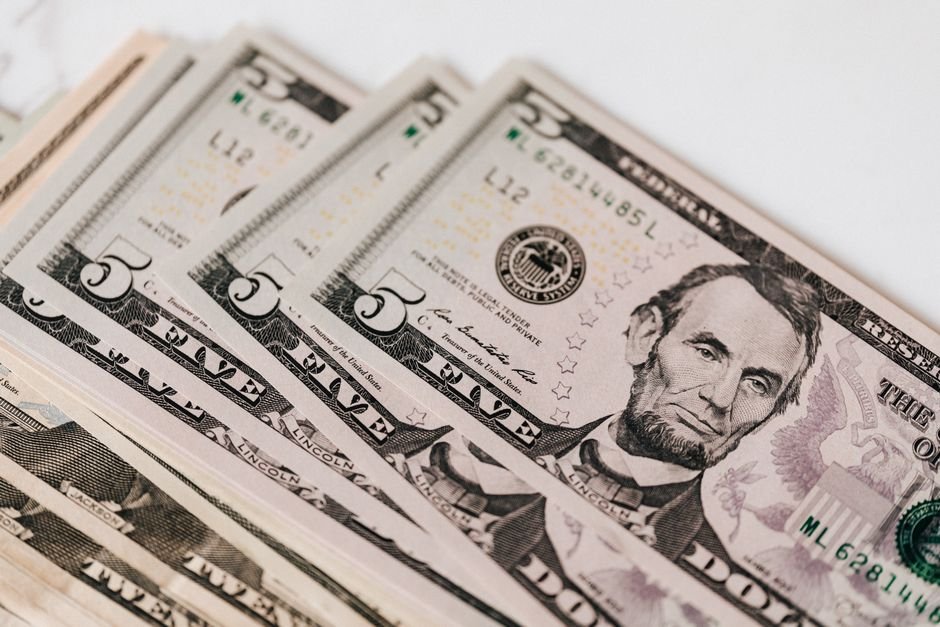
As the global economy continues to grapple with uncertainty, one asset class is making a stunning comeback: gold. The precious metal has long been a safe-haven favorite among investors, and its recent resurgence is sending shockwaves through markets around the world, including Australia. With gold prices clawing their way back toward $4,600, investors and analysts alike are taking notice, wondering what’s driving this trend and what it might mean for the future of the global economy. For Australian businesses and investors, the implications are particularly significant, as the country’s mining sector and currency are closely tied to the fate of gold. As the price of gold continues to rise, it’s essential to understand the underlying factors driving this trend and how it might impact the Australian economy.
What Is Happening
Gold prices have been on a tear in recent months, driven by a combination of factors including a weak US dollar, rising inflation, and geopolitical tensions. As investors seek safe-haven assets to protect their wealth, gold has emerged as a top choice, with prices soaring to levels not seen in years. The recent surge has been particularly dramatic, with gold prices rising by over 10% in a matter of weeks. This rapid appreciation has caught many investors off guard, leaving some to wonder if the trend is sustainable or merely a fleeting blip on the radar. Despite the uncertainty, one thing is clear: gold is back in the spotlight, and its price is likely to remain volatile in the coming months.
Why It Matters
So why does the price of gold matter, particularly in Australia? For starters, the country is home to a thriving mining sector, with many of the world’s largest gold producers operating in Western Australia and other regions. When gold prices rise, these companies see their profits soar, which can have a positive impact on the broader economy. Additionally, a strong gold price can help support the Australian dollar, which is closely tied to the country’s commodity exports. A rising gold price can also make Australian gold exports more competitive on the global market, which can lead to increased demand and higher revenues for local miners. Furthermore, gold is often seen as a hedge against inflation and currency devaluation, making it an attractive asset for investors looking to protect their wealth.

Key Drivers
So what’s driving the current surge in gold prices? One key factor is the weak US dollar, which has been declining in value against other major currencies in recent months. A weak dollar makes gold more attractive to investors, as it becomes cheaper to buy and own. Rising inflation is another key driver, as gold is often seen as a hedge against rising prices and a store of value. Geopolitical tensions, particularly in regions like the Middle East and Eastern Europe, are also contributing to the trend, as investors seek safe-haven assets to protect their wealth. Finally, central bank buying is playing a significant role, with many of the world’s largest central banks, including the Reserve Bank of Australia, increasing their gold reserves in recent years.
Impact on Australia
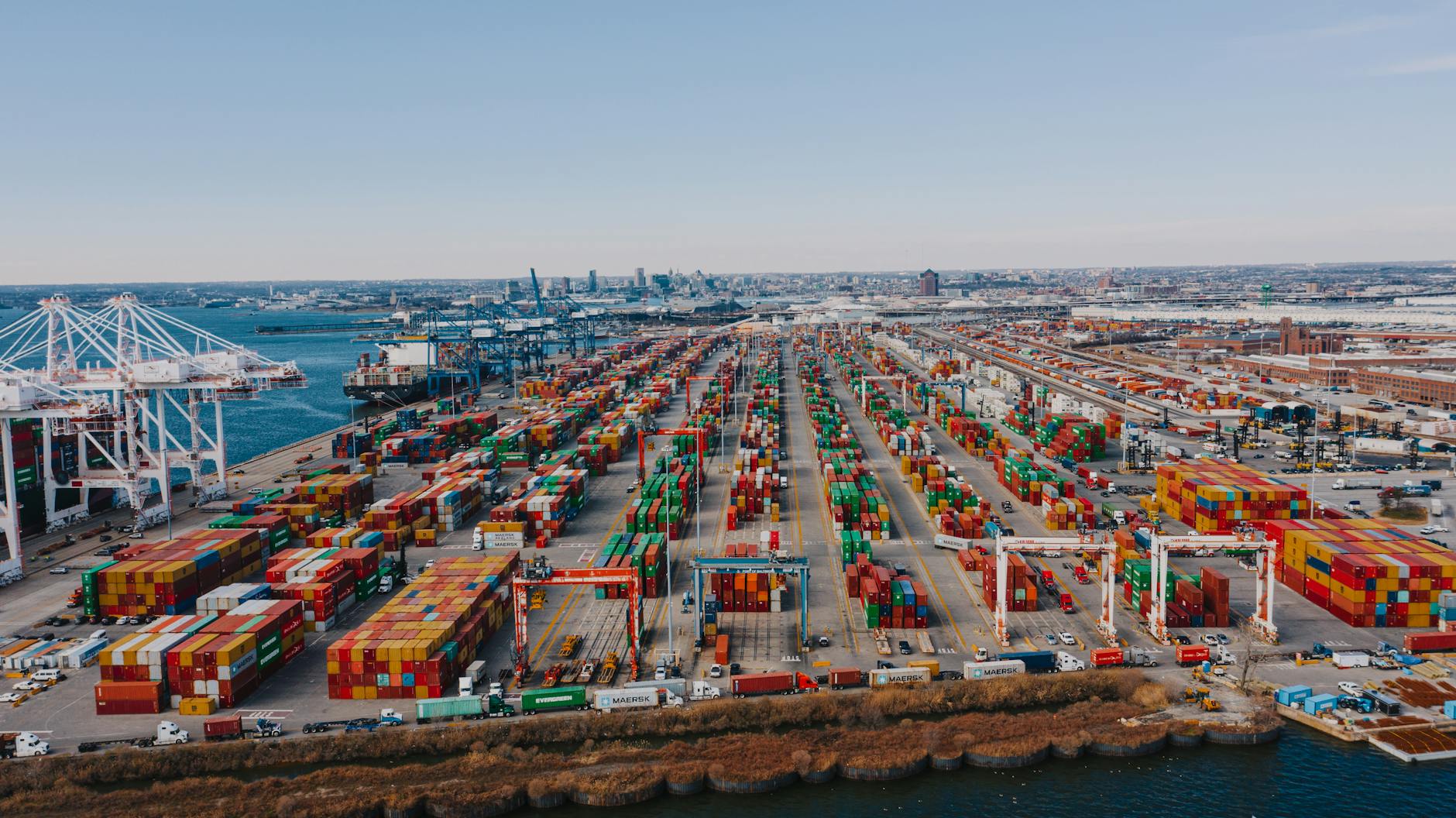
The impact of rising gold prices on Australia is multifaceted. On the one hand, a strong gold price can be a boon for the country’s mining sector, which is a significant contributor to the national economy. Higher gold prices can lead to increased investment in the sector, as well as higher revenues and profits for local miners. This can have a positive impact on employment and economic growth, particularly in regional areas where mining is a major industry. On the other hand, a rising gold price can also lead to higher production costs for other industries, such as manufacturing and construction, which can have a negative impact on the broader economy. Additionally, a strong gold price can make Australian exports more expensive, which can lead to decreased demand and lower revenues for local businesses.
Expert Outlook
So what do experts think about the current trend in gold prices? According to many analysts, the surge in gold prices is likely to continue in the coming months, driven by ongoing geopolitical tensions and a weak US dollar. “Gold is a safe-haven asset that investors turn to in times of uncertainty,” says one expert. “With the global economy facing numerous challenges, including rising inflation and trade tensions, it’s no surprise that gold is back in favor.” Others point to the increasing demand for gold from central banks and investors in emerging markets, which is likely to continue driving up prices in the coming years. However, not all experts are bullish on gold, with some warning that the current trend may be overblown and due for a correction.
What to Watch
As the price of gold continues to rise, there are several key factors to watch in the coming months. One major indicator is the US dollar, which is likely to remain volatile in the face of ongoing trade tensions and monetary policy uncertainty. Another key factor is inflation, which is expected to continue rising in the coming months, driven by higher oil prices and a tight labor market. Geopolitical tensions, particularly in regions like the Middle East and Eastern Europe, will also continue to play a significant role in driving gold prices. Finally, investors should keep an eye on central bank buying, as well as demand from emerging markets, which is likely to remain strong in the coming years. By keeping a close eye on these factors, investors and businesses can better navigate the complex and often volatile world of gold prices, and make more informed decisions about their investments and strategy.