
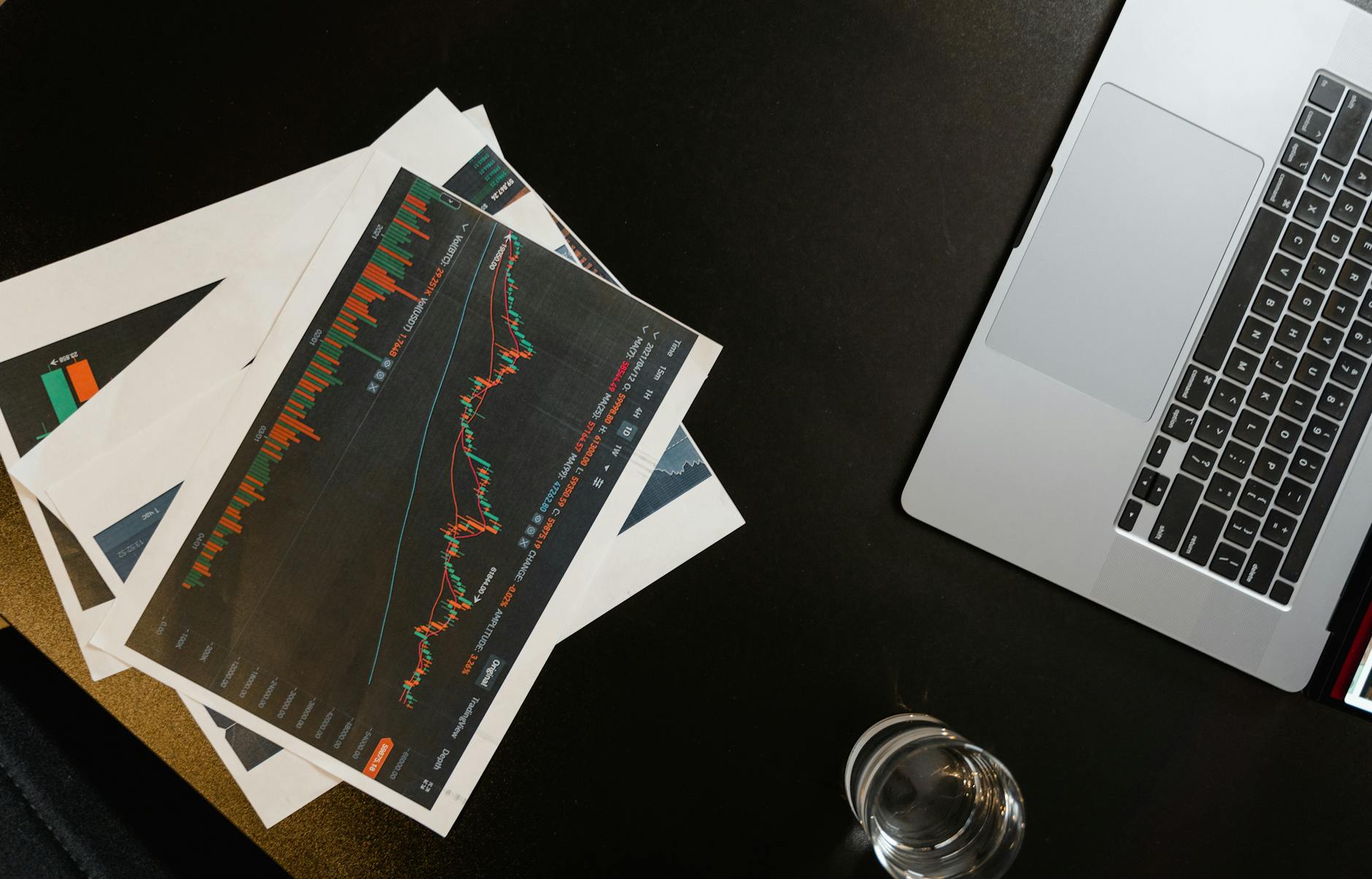
As we dive into a shortened week in the Canadian business landscape, investors are bracing themselves for what could be a volatile few days ahead. The stock market today is already showing signs of unease, with Dow, S&P 500, and Nasdaq futures all taking a tumble. This downward trend is particularly noteworthy given the impending release of the jobs report, an event that has the potential to significantly impact the market’s trajectory. For Canadians, the question on everyone’s mind is: what does this mean for our economy, and how will it affect the local markets and businesses we care about? The answer, much like the stock market itself, is complex and multifaceted, but one thing is clear – the next few days will be crucial in determining the direction of our financial future.
What Is Happening
The current state of the stock market is a direct reflection of the uncertainties that are plaguing the global economy. The decline in Dow, S&P 500, and Nasdaq futures is a clear indication that investors are becoming increasingly cautious, opting to pull back on their investments until the dust settles. This is largely due to the anticipation of the upcoming jobs report, which is expected to provide valuable insights into the current state of the labor market. In Canada, the Toronto Stock Exchange (TSX) is also feeling the effects, with many of its key indices experiencing a similar decline. The energy sector, in particular, is under close watch, given the significant impact that global events can have on oil prices and, by extension, the Canadian economy. As the market continues to fluctuate, it’s essential for investors to stay informed and adapt their strategies accordingly.
Why It Matters
The significance of the current market trends cannot be overstated, especially when considering the potential implications for the Canadian economy. The jobs report, slated for release later this week, will provide critical data on employment rates, wage growth, and other key indicators of economic health. This information will not only influence the decisions of investors but also inform policy decisions made by the Bank of Canada and other regulatory bodies. For Canadian businesses, the outcome of the jobs report could have a direct impact on their operations, from hiring and expansion plans to investment strategies and financial forecasting. Furthermore, the performance of the TSX and other local markets will be closely tied to the overall health of the economy, making it imperative for business leaders and investors alike to stay ahead of the curve.

Key Drivers
Several factors are contributing to the current volatility in the stock market, each playing a role in shaping the economic landscape. One of the primary drivers is the ongoing uncertainty surrounding global trade policies, particularly between the United States and China. The back-and-forth negotiations have created an environment of unpredictability, causing investors to be more risk-averse. Additionally, the recent slowdown in global economic growth has raised concerns about the potential for a recession, further exacerbating market jitters. In Canada, the banking sector is also under scrutiny, with many of the country’s major financial institutions facing increased regulatory pressures and potential changes to lending practices. These factors, combined with the anticipation of the jobs report, are creating a perfect storm of uncertainty that is driving the current market trends.
Impact on Canada
The effects of the current market trends will be felt across various sectors of the Canadian economy. For instance, the energy sector, which is a significant contributor to Canada’s GDP, will be closely watching the movement of oil prices. Any fluctuations could have a direct impact on the profitability of Canadian energy companies, such as Enbridge and Suncor Energy. Similarly, the manufacturing sector, which has been experiencing a slowdown in recent months, could see further declines if the market volatility persists. On the other hand, the technology sector, which has been a bright spot in the Canadian economy, may continue to attract investment, particularly if the jobs report indicates a strong labor market. The Canadian dollar, which has been relatively stable in recent months, could also be affected by the market trends, potentially influencing the country’s trade balances and inflation rates.

Expert Outlook
According to market experts, the current volatility is likely to continue in the short term, at least until the jobs report is released and the market has a chance to react. “The market is in a wait-and-see mode, and until we get some clarity on the jobs report, it’s likely that we’ll see continued volatility,” says a leading market analyst. “However, it’s essential for investors to take a long-term view and not make any knee-jerk reactions based on short-term market fluctuations.” Others are more cautious, warning that the current market trends could be indicative of a more significant issue. “The decline in the stock market is a sign of a broader economic slowdown, and investors need to be prepared for a potentially rocky road ahead,” notes a prominent economist. Regardless of the outlook, one thing is certain – the next few days will be critical in shaping the direction of the Canadian economy.
What to Watch
As we navigate the shortened week ahead, there are several key events and indicators that investors and business leaders should keep a close eye on. The jobs report, scheduled for release later this week, will be the primary focus, as it will provide valuable insights into the state of the labor market and the overall health of the economy. Additionally, investors should watch for any developments in the global trade negotiations, as well as any changes in monetary policy by the Bank of Canada. The performance of the TSX and other local markets will also be crucial, as it will indicate the level of investor confidence in the Canadian economy. Furthermore, the movement of oil prices and the Canadian dollar will be important to monitor, as they will have a direct impact on various sectors of the economy. By staying informed and up-to-date on these key indicators, investors and business leaders can make more informed decisions and navigate the complexities of the current market landscape.



