
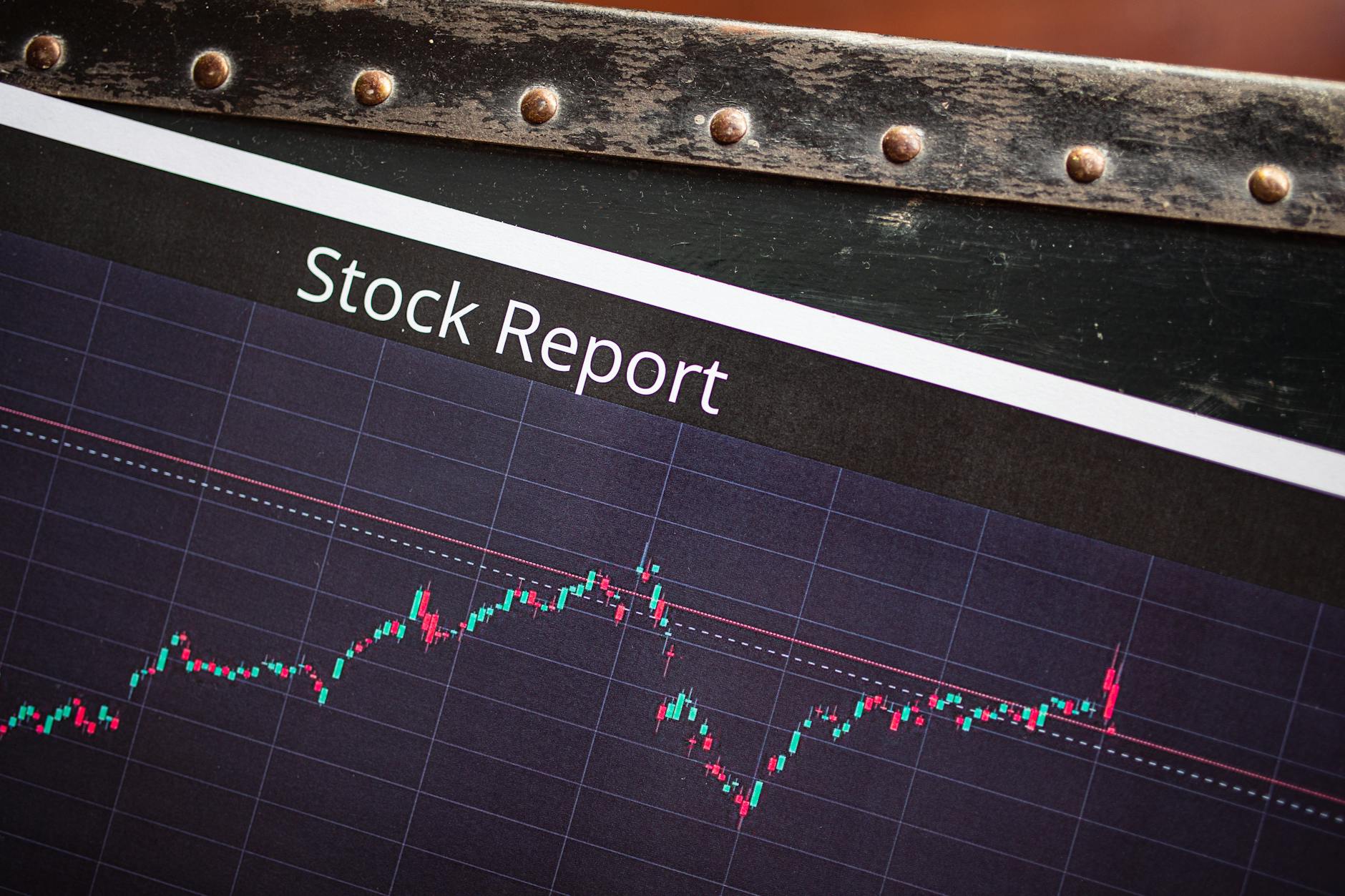
As the global economy teeters on the edge of uncertainty, a stark reality is unfolding in the world of finance: the U.S. debt is suddenly drawing weaker demand, and this trend is happening at a particularly inopportune time. With a staggering $10 trillion that must be rolled over this year, the stakes are high, and the timing couldn’t be more precarious. The onset of the Iran war has introduced a new layer of complexity, further muddying the waters for investors and economists alike. For Canadians, who have long been keen observers of the U.S. economy due to the intricately linked nature of the two nations’ financial systems, this development is especially noteworthy. The bond market, renowned for its unpredictability, seems to be sending a clear message: it remains undefeated, and its verdicts can have far-reaching implications for stock markets, including Canada’s.
What Is Happening
The U.S. Treasury is facing an unprecedented challenge as it seeks to refinance a significant portion of its debt. The sheer scale of $10 trillion is daunting, and the current geopolitical tensions are not helping to alleviate concerns among potential buyers. The Iran war, with its potential to disrupt global oil supplies and exacerbate economic instability, is casting a long shadow over the bond market. Typically, U.S. Treasuries are considered a safe-haven asset, but the sudden weakness in demand suggests that investors are becoming increasingly risk-averse. This hesitation is not entirely surprising, given the backdrop of rising tensions and the inherent unpredictability of conflict. However, it poses a significant challenge for the U.S. government, which relies heavily on the bond market to finance its operations and manage its debt.
Why It Matters
The implications of weaker demand for U.S. debt are multifaceted and far-reaching. For the U.S. economy, a reduction in demand for its bonds could lead to higher borrowing costs, as the government may need to offer higher yields to attract investors. This, in turn, could have a ripple effect on the broader economy, influencing everything from mortgage rates to corporate borrowing costs. The impact on stock markets, including Canada’s, could be significant, as higher borrowing costs can dampen economic growth and reduce corporate profitability. Furthermore, the bond market’s message of caution can influence investor sentiment, potentially leading to increased volatility in equity markets. For Canadian investors, who often look to U.S. markets for investment opportunities, understanding these dynamics is crucial for making informed decisions.
Key Drivers
Several key drivers are contributing to the weaker demand for U.S. debt. The Iran war and its potential to escalate into a broader conflict are undoubtedly significant factors. The geopolitical uncertainty introduced by this conflict has made investors more cautious, leading them to seek safer assets or to demand higher yields for taking on the perceived increased risk. Additionally, the sheer size of the U.S. debt rollover this year is a major concern. The $10 trillion figure is unprecedented, and the challenge of refinancing such a large amount of debt in a potentially volatile market is not to be underestimated. Economic indicators, such as inflation rates and employment figures, also play a critical role in shaping bond market sentiment. As investors weigh the prospects of the U.S. economy against the backdrop of global instability, their decisions on whether to invest in U.S. debt will be influenced by these factors.
Impact on Canada
For Canada, the implications of weaker demand for U.S. debt are particularly relevant due to the close economic ties between the two nations. The Canadian economy is heavily influenced by trends in the U.S., given the significant trade relationship between the two countries. Canadian businesses, especially those with exposures to the U.S. market, could face challenges if higher borrowing costs in the U.S. lead to reduced consumer spending and economic growth. Moreover, Canadian investors with holdings in U.S. stocks or bonds need to be aware of the potential risks and adjust their portfolios accordingly. The Canadian dollar, often sensitive to shifts in global economic sentiment, could also be affected, potentially influencing everything from export competitiveness to the cost of imports. As such, understanding the dynamics at play in the U.S. bond market is essential for both Canadian businesses and investors looking to navigate these complex times.

Expert Outlook
Experts in the field are closely watching the situation unfold, offering insights into what the future might hold. Many analysts believe that the bond market’s current stance is a reflection of deeper concerns about global economic stability and the potential for further geopolitical tensions. The notion that “the bond market remains undefeated” suggests a level of respect for the bond market’s ability to predict economic outcomes, often serving as a leading indicator of broader economic trends. As such, the current weakness in demand for U.S. debt could be an early warning sign of more challenging economic times ahead. For investors, this means adopting a cautious approach, diversifying portfolios, and being prepared for increased volatility. Policymakers, on the other hand, face the daunting task of managing debt while promoting economic growth, a delicate balance that requires careful consideration of monetary and fiscal policies.
What to Watch
Moving forward, several key factors will be worth watching closely. The progression of the Iran war and its impact on global oil prices will be critical, as will the response of central banks to the evolving economic landscape. The U.S. Federal Reserve, in particular, will be under scrutiny for its monetary policy decisions, which could influence bond yields and, by extension, the attractiveness of U.S. debt to investors. Economic data releases, including inflation figures, employment rates, and GDP growth, will also provide valuable insights into the health of the U.S. economy and the bond market’s reaction to it. For Canadian observers, the performance of the Canadian dollar, the trajectory of the TSX, and the actions of the Bank of Canada will be important to monitor, as these will reflect the domestic economy’s response to the global trends. As the situation continues to unfold, staying informed and adaptable will be key for both investors and businesses looking to navigate the challenges and opportunities presented by the current landscape.



