
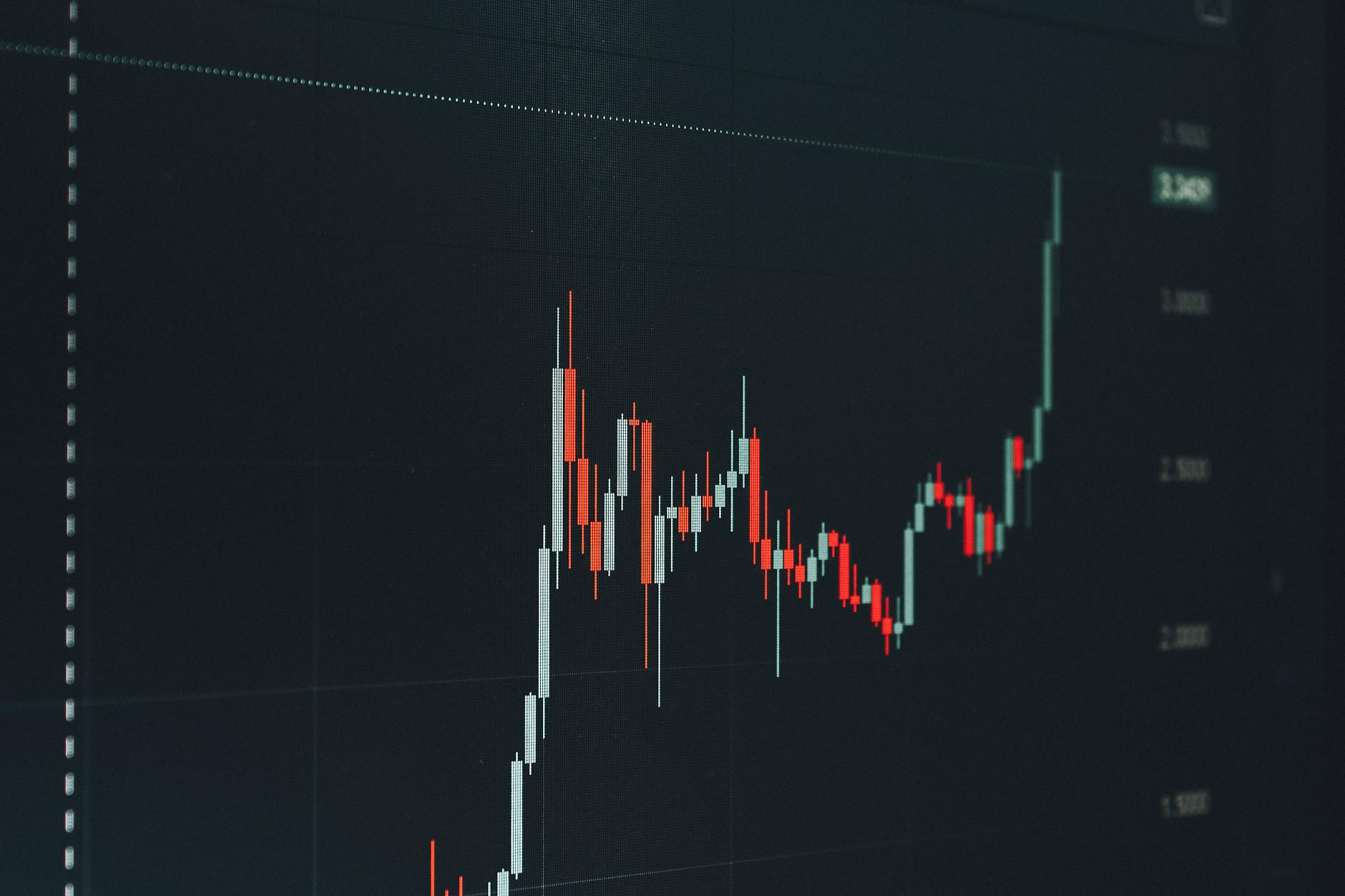
As the UK stock market gears up for a shortened week, investors are bracing themselves for a potentially volatile ride, with futures for the Dow, S&P 500, and Nasdaq all pointing upwards. The upcoming jobs data and ongoing war uncertainty are set to dominate the headlines, making it a crucial period for traders and investors alike. With the UK’s own economic landscape still reeling from the aftermath of Brexit, the performance of these major indices will have a significant impact on the local market. As such, it’s essential for investors to stay informed and up-to-date on the latest developments, and to be prepared for any potential shifts in the market.
What Is Happening
The Dow, S&P 500, and Nasdaq futures are all experiencing a surge, indicating a positive start to the week for the US stock market. This uptrend is largely driven by the anticipation of a strong jobs report, which is expected to show a significant increase in employment rates. However, the ongoing war in Ukraine and the resulting geopolitical tensions are casting a shadow of uncertainty over the market. The UK’s FTSE 100 index is also expected to be influenced by these global events, with many of its constituent companies having significant exposure to international markets. As the week progresses, investors will be keeping a close eye on any developments that could potentially impact the market, including any updates on the war and the upcoming jobs data.
Why It Matters
The performance of the Dow, S&P 500, and Nasdaq has a significant impact on the global economy, and the UK is no exception. Many UK-based companies are listed on these indices, and their performance can have a direct impact on the UK’s own stock market. Furthermore, the jobs data and war uncertainty will have far-reaching implications for the UK economy, influencing everything from interest rates to consumer spending. As such, it’s crucial for investors to stay informed about these developments and to be prepared for any potential shifts in the market. The UK’s economic landscape is already facing significant challenges, including the ongoing impact of Brexit and the COVID-19 pandemic. As a result, the UK stock market is particularly vulnerable to external shocks, making it essential for investors to be vigilant and adaptable.

Key Drivers
Several key drivers are influencing the current market trends, including the upcoming jobs data and the ongoing war in Ukraine. The jobs report is expected to show a significant increase in employment rates, which could lead to a surge in consumer spending and a subsequent boost to the economy. However, the war in Ukraine is casting a shadow of uncertainty over the market, with many investors adopting a cautious approach. The UK’s own economic data is also playing a significant role, with the latest GDP figures showing a slower-than-expected growth rate. As a result, investors are looking to the US market for direction, with the Dow, S&P 500, and Nasdaq serving as key benchmarks. Other drivers, such as interest rates and inflation, are also influencing the market, with the Bank of England’s recent decision to raise interest rates having a significant impact on the UK economy.
Impact on United Kingdom
The impact of the current market trends on the UK is significant, with many local companies and investors exposed to the fluctuations of the Dow, S&P 500, and Nasdaq. The UK’s FTSE 100 index is closely tied to the performance of these indices, and any significant shifts in the market could have a direct impact on the UK economy. Furthermore, the war in Ukraine and the resulting geopolitical tensions are having a significant impact on the UK’s own economic landscape, with many companies facing supply chain disruptions and increased costs. The UK’s financial sector is also being influenced by the current market trends, with many banks and financial institutions having significant exposure to international markets. As a result, investors and traders in the UK need to stay informed and up-to-date on the latest developments, and to be prepared for any potential shifts in the market.

Expert Outlook
According to many experts, the current market trends are set to continue, with the upcoming jobs data and war uncertainty dominating the headlines. Many analysts are predicting a strong jobs report, which could lead to a surge in consumer spending and a subsequent boost to the economy. However, others are adopting a more cautious approach, citing the ongoing war in Ukraine and the resulting geopolitical tensions as significant risks to the market. In the UK, experts are warning of a potential slowdown in economic growth, driven by the ongoing impact of Brexit and the COVID-19 pandemic. As such, investors and traders need to be vigilant and adaptable, staying informed about the latest developments and being prepared for any potential shifts in the market. The UK’s financial sector is also expected to play a significant role in shaping the market, with many banks and financial institutions having significant exposure to international markets.
What to Watch
As the week progresses, investors and traders will be keeping a close eye on several key events and developments, including the upcoming jobs data and any updates on the war in Ukraine. The UK’s own economic data will also be closely watched, with the latest GDP figures and inflation data set to be released in the coming weeks. The performance of the Dow, S&P 500, and Nasdaq will also be closely monitored, with any significant shifts in the market having a direct impact on the UK economy. Furthermore, the Bank of England’s interest rate decisions will be closely watched, with any changes set to have a significant impact on the UK’s financial sector. As the market continues to evolve, investors and traders need to stay informed and up-to-date on the latest developments, and to be prepared for any potential shifts in the market. With the UK’s economic landscape facing significant challenges, it’s essential for investors to be vigilant and adaptable, and to stay ahead of the curve in order to navigate the complex and ever-changing world of the stock market.



