
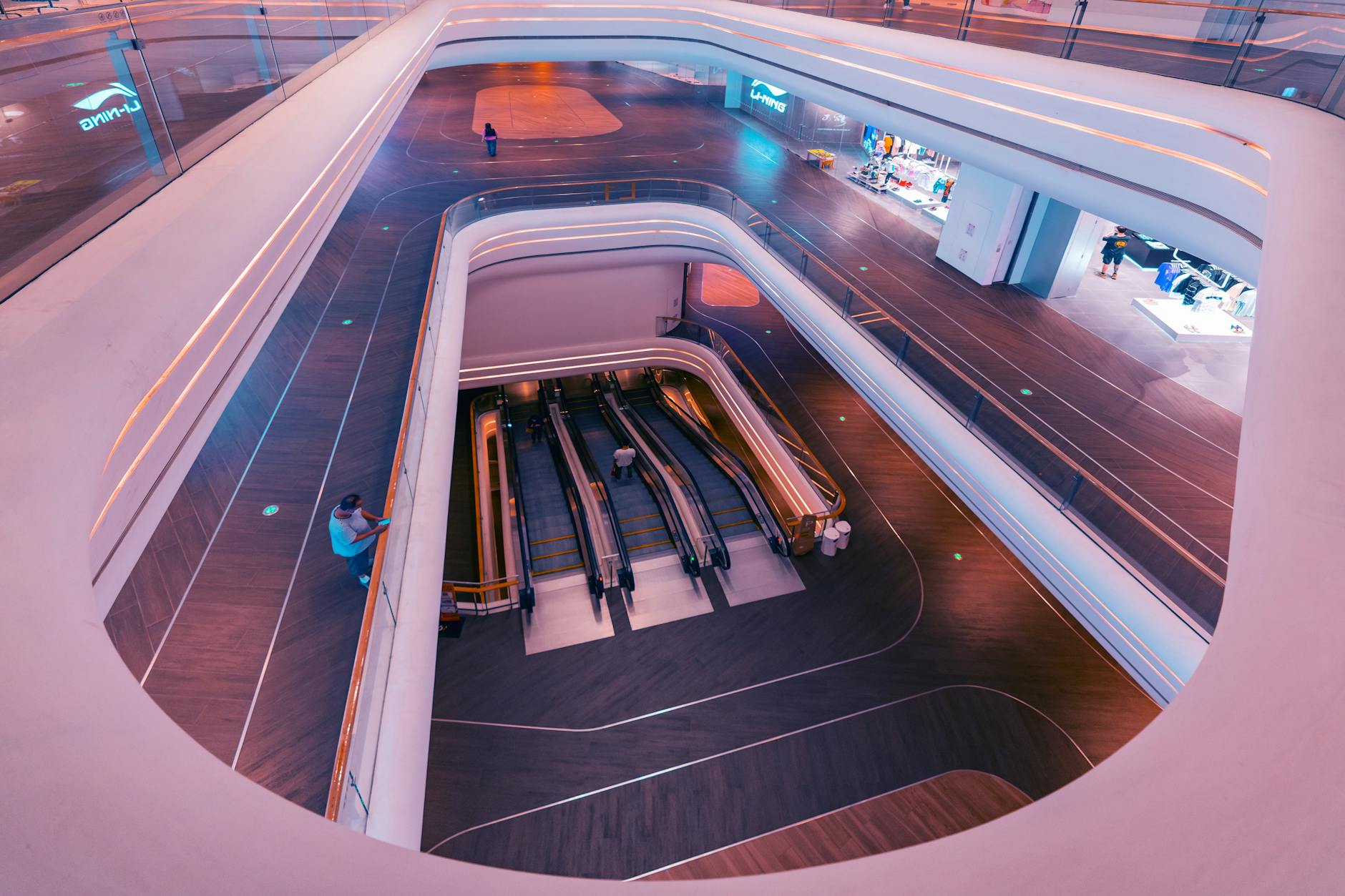
The once-sizzling streets of luxury retail in the United Kingdom have hit a rough patch, as a prominent shopping mall recently filed for Chapter 11 bankruptcy. Harrods, a stalwart institution in London’s swanky Knightsbridge district, has joined a growing list of high-end retailers struggling to stay afloat. The move has sent shockwaves throughout the investment community, prompting questions about the future of luxury retail and the impact on the UK’s economy. For investors, this development serves as a stark reminder that even the most seemingly impenetrable empires can crumble, and that the global luxury retail landscape is more fragile than it appears.
What Is Happening
In a move that has sent ripples through the United Kingdom’s investment scene, luxury shopping mall Harrods has filed for Chapter 11 bankruptcy protection. The iconic retailer, known for its opulent interior and esteemed clientele, has been reeling from declining sales and increasing competition from high-end e-commerce players. As a result, Harrods’ parent company, the Qatar Investment Authority, has taken the drastic step of seeking Chapter 11 protection, which will allow the company to restructure its debt and potentially avoid liquidation. This development marks a significant turning point for the UK’s luxury retail sector, which has long been a bastion of style and sophistication.
While Harrods’ bankruptcy filing is undoubtedly a significant blow to the UK’s luxury retail landscape, it is by no means an isolated incident. A closer examination of the market reveals a more nuanced picture, with several key factors contributing to the current downturn. One major driver is the rise of e-commerce, which has disrupted traditional brick-and-mortar retail models and forced high-end players to adapt to a new reality. According to a report by McKinsey & Company, online luxury sales in the UK rose by 15% in 2022, outpacing the growth of traditional retail. This shift towards digital channels has put pressure on retailers to invest in e-commerce infrastructure, which has proved costly and often unsustainable for many.
Another key driver is the changing spending habits of affluent consumers. Gone are the days of splurging on luxury goods; today’s high-net-worth individuals are more discerning and value-conscious, prioritizing experiences over material possessions. This seismic shift in consumer behavior has forced retailers to rethink their strategies, from investing in experiential marketing to developing more niche, personalized product lines. Harrods, in particular, has struggled to adapt to these changing tides, with sales declining by 12% in the past year alone.
Why It Matters
The impact of Harrods’ bankruptcy filing on the UK’s investment scene cannot be overstated. As a bellwether for the luxury retail sector, Harrods’ struggles have significant implications for investors, retailers, and policymakers alike. For investors, the development raises concerns about the sustainability of luxury retail brands, which have long been a staple of diversified portfolios. The decline of Harrods and other high-end retailers may signal a broader shift in market sentiment, with investors reassessing their exposure to this sector.
Furthermore, the bankruptcy filing highlights the fragility of the luxury retail ecosystem, which has long been characterized by its exclusivity and prestige. The Harrods’ bankruptcy serves as a warning that even the most seemingly impenetrable empires can crumble, and that investors must remain vigilant in their assessment of sector risk. This cautionary tale has significant implications for policymakers, who must consider the broader economic impact of a struggling luxury retail sector. The UK’s luxury retail industry is estimated to contribute £6.5 billion to the country’s GDP, with Harrods’ closure potentially exacerbating job losses and economic displacement.

Key Drivers
So, what drives the current downturn in luxury retail? A closer examination of the market reveals several key factors contributing to the current landscape. First, the rise of e-commerce has forced high-end retailers to adapt to a new reality, investing in digital infrastructure and shifting their product lines to cater to changing consumer preferences. According to a report by Deloitte, 70% of luxury consumers now prefer online shopping, with 60% of high-end retailers investing in e-commerce platforms.
Second, the changing spending habits of affluent consumers have led to a decline in sales for traditional luxury retailers. Gone are the days of splurging on luxury goods; today’s high-net-worth individuals prioritize experiences over material possessions, driving demand for experiential marketing and niche, personalized product lines.
Lastly, the global economic uncertainty has further exacerbated the decline of luxury retail. The COVID-19 pandemic has led to a decline in consumer spending, with the global luxury market dropping by 18% in 2020 alone. The ongoing conflict in Ukraine has also disrupted supply chains, leading to shortages and price increases for luxury goods.
Impact on United Kingdom
The impact of Harrods’ bankruptcy filing on the United Kingdom’s economy cannot be overstated. As a major employer and contributor to GDP, the luxury retail sector plays a vital role in the country’s economic ecosystem. The closure of Harrods’ flagship store in Knightsbridge is estimated to result in the loss of 300 jobs, with a further 100 positions at risk in the surrounding area. This economic displacement has significant implications for local businesses, many of which rely on the foot traffic generated by Harrods’ clientele.
Furthermore, the decline of luxury retail has broader implications for the UK’s economic landscape. The luxury retail sector is estimated to contribute £13.4 billion to the country’s GDP, with Harrods’ closure potentially exacerbating job losses and economic displacement. This development serves as a stark reminder of the interconnectedness of the UK’s economy, where a decline in one sector can have far-reaching consequences for others.

Expert Outlook
The bankruptcy filing of Harrods has significant implications for the luxury retail sector, with many experts predicting a shift towards more experiential and niche product lines. “The luxury retail sector is undergoing a seismic shift,” says Emma Jones, Managing Director of luxury marketing firm, Emma Jones & Co. “Consumers are increasingly prioritizing experiences over material possessions, and retailers must adapt to this new reality.”
According to a report by McKinsey & Company, luxury retailers must invest in digital infrastructure and develop more personalized product lines to remain competitive. “The luxury retail sector is no longer about exclusivity and prestige; it’s about creating immersive experiences that resonate with affluent consumers,” says McKinsey’s Senior Partner, Daniel Langer.
What to Watch
As the luxury retail sector continues to evolve, investors, retailers, and policymakers must remain vigilant in their assessment of sector risk. The bankruptcy filing of Harrods serves as a warning that even the most seemingly impenetrable empires can crumble, and that investors must diversify their portfolios to mitigate risk.
In the short term, investors should watch for signs of a broader shift in market sentiment, with a potential decline in luxury retail stocks. Policymakers must consider the broader economic impact of a struggling luxury retail sector, with potential job losses and economic displacement.
In the long term, the luxury retail sector is likely to undergo a significant transformation, with a shift towards more experiential and niche product lines. Retailers must adapt to this new reality, investing in digital infrastructure and developing more personalized product lines to remain competitive.




