
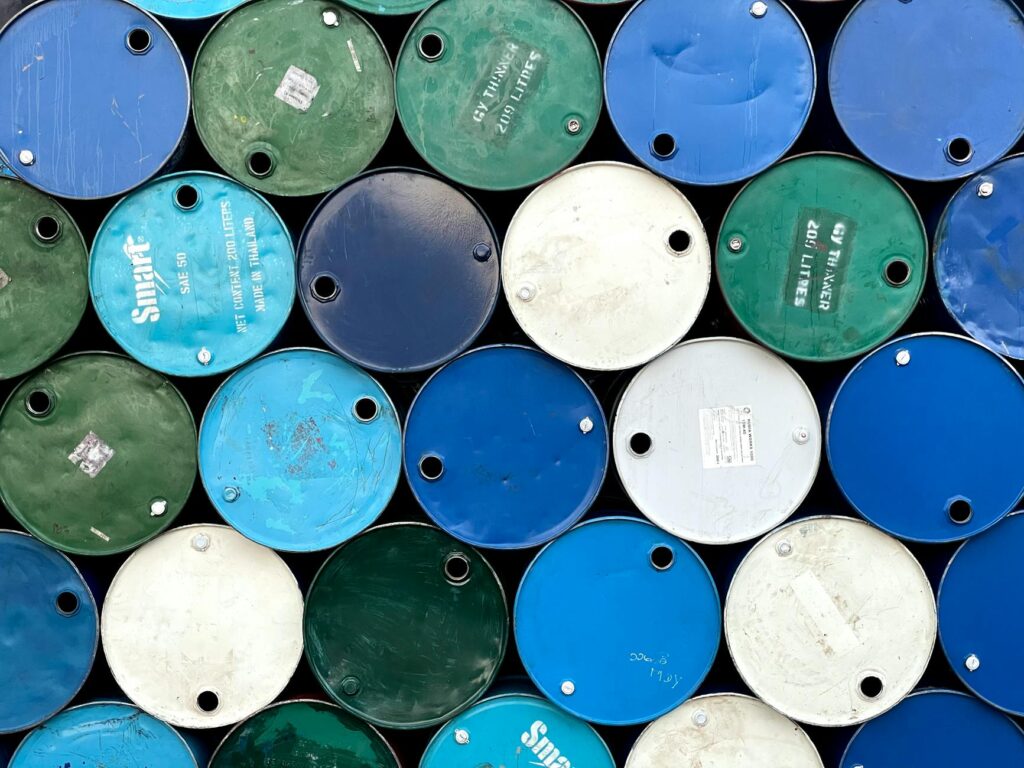
As the world watches the escalating tensions between the US and Iran, Canadian investors are keeping a close eye on the crude oil market, where prices have been fluctuating wildly in response to every headline about a potential war. The reason for this intense interest is clear: Canada is one of the world’s largest oil producers, and any significant shift in global crude prices can have a profound impact on the country’s economy, from the bottom line of oil sands producers in Alberta to the gas prices paid by consumers in Toronto and Vancouver. With the US-Iran conflict threatening to disrupt global oil supplies, Canadian investors are trying to make sense of the chaotic market and figure out how to navigate the risks and potential opportunities that lie ahead.
What Is Happening
The recent flare-up in tensions between the US and Iran has sent crude oil prices on a rollercoaster ride, with prices surging one day and plummeting the next. The volatility is being driven by fears that a full-blown war could break out, disrupting oil supplies from the Middle East and sending prices soaring. At the same time, however, there are also concerns that the global economy could be tipped into recession by a prolonged conflict, which would reduce demand for oil and send prices tumbling. This uncertainty has created a highly unpredictable market, with prices whipsawing back and forth in response to every new development. For Canadian investors, the situation is particularly complex, given the country’s significant oil exports and the potential for domestic production to be affected by global price trends.
Why It Matters
The impact of fluctuating crude prices on Canada’s economy and financial markets cannot be overstated. As a major oil producer, Canada is highly sensitive to changes in global crude prices, which can affect everything from the profitability of oil sands operations to the value of the Canadian dollar. When crude prices rise, Canadian oil producers benefit from higher revenues, which can boost the country’s GDP and support economic growth. On the other hand, when prices fall, the sector can be severely impacted, leading to job losses and reduced investment. Moreover, the volatility in crude prices can also have a significant impact on Canadian consumers, who may face higher gas prices and increased costs for other petroleum products. With the country’s economy already facing headwinds from a slowing global economy and trade tensions, the uncertainty surrounding crude prices is adding an extra layer of complexity to the investment landscape.

Key Drivers
So, what are the key drivers behind the fluctuating crude prices, and how are they likely to impact Canada’s investments landscape? One major factor is the potential for supply disruptions, particularly if a war were to break out in the Middle East. Iran, for example, is a significant oil producer, and any disruption to its exports could send prices soaring. At the same time, however, there are also concerns about demand, particularly if the global economy were to slow down significantly. China, the world’s largest oil importer, is already facing a slowdown in economic growth, which could reduce its demand for oil and put downward pressure on prices. In Canada, the key drivers are likely to be the impact of price volatility on domestic oil production, as well as the potential for increased investment in the sector if prices were to rise. Companies such as Suncor Energy and Imperial Oil, for example, could benefit from higher prices, while smaller producers may struggle to remain profitable if prices fall.
Impact on Canada
The impact of fluctuating crude prices on Canada’s investments landscape is likely to be significant, particularly in the energy sector. If prices were to rise, Canadian oil producers could see a significant boost to their revenues, which could lead to increased investment and higher returns for shareholders. On the other hand, if prices fall, the sector could be severely impacted, leading to reduced investment and potential job losses. Moreover, the volatility in crude prices could also have a significant impact on the Canadian economy as a whole, particularly if it were to lead to higher gas prices and increased costs for consumers. In terms of specific investments, Canadian investors may want to consider companies that are well-positioned to benefit from higher crude prices, such as oil producers with low production costs or companies that provide services to the energy sector. At the same time, however, they should also be aware of the potential risks, particularly if prices were to fall.

Expert Outlook
According to experts, the outlook for crude prices is highly uncertain, and Canadian investors should be prepared for a high degree of volatility in the coming months. “The situation in the Middle East is highly unpredictable, and it’s difficult to say with certainty what will happen next,” says one energy analyst. “However, if a war were to break out, we could see a significant spike in crude prices, which could have a major impact on Canada’s energy sector.” Another expert notes that the impact of fluctuating crude prices on Canada’s economy will depend on a range of factors, including the duration and severity of any supply disruptions, as well as the response of global policymakers. “In the short term, higher crude prices could be a boon for Canadian oil producers, but in the longer term, they could also lead to reduced demand and lower prices,” the expert says. “Canadian investors need to be prepared for a range of scenarios and have a well-diversified portfolio that can withstand the uncertainty.”
What to Watch
So, what should Canadian investors be watching in the coming weeks and months? One key factor will be the ongoing developments in the US-Iran conflict, which could lead to further supply disruptions and volatility in crude prices. Another important factor will be the response of global policymakers, particularly the OPEC oil cartel, which could attempt to stabilize prices by adjusting production levels. In Canada, investors should also be watching the performance of domestic oil producers, particularly those with low production costs and a strong balance sheet. Companies such as Enbridge and TransCanada, which provide services to the energy sector, may also be worth considering, particularly if crude prices were to rise. Ultimately, the key to navigating the uncertainty in the crude oil market will be to stay informed, diversify your portfolio, and be prepared for a range of scenarios. By doing so, Canadian investors can minimize their risks and maximize their returns, even in the face of highly volatile crude prices.