
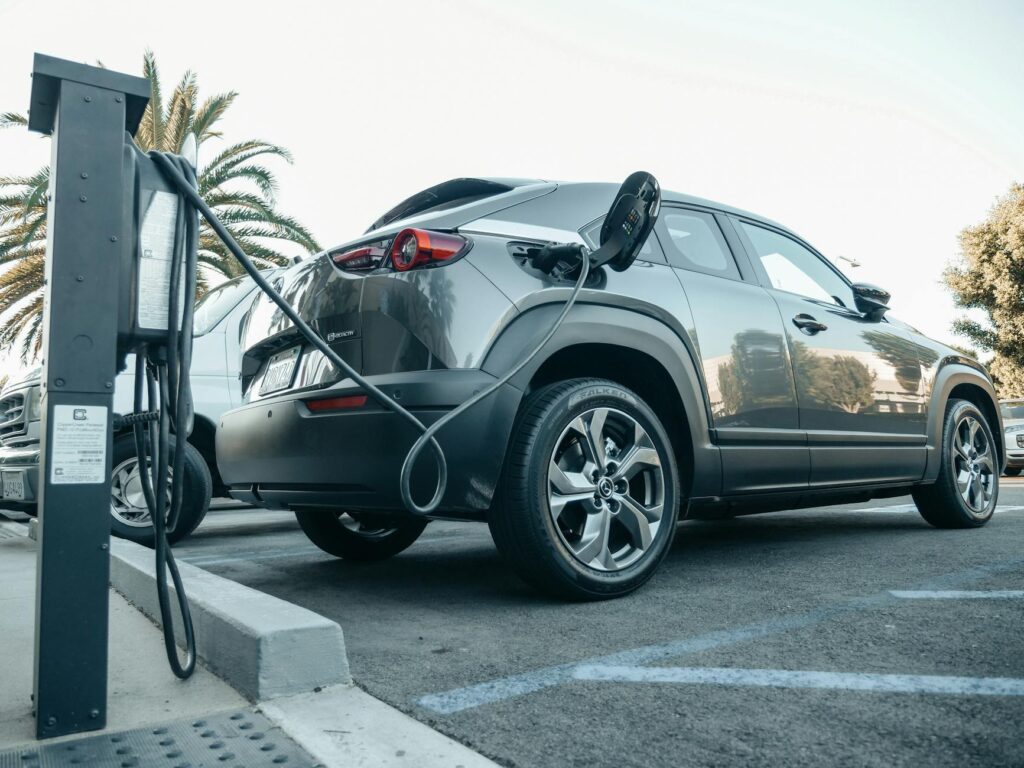
As the Iran war continues to escalate, the world is witnessing a significant shift in the global energy landscape. Gas prices are skyrocketing, and the demand for electric vehicles (EVs) is on the rise. For Canadians, this presents a timely opportunity to reassess their driving habits and consider making the switch to electric cars. But should you jump on the EV bandwagon now or wait it out? In this article, we’ll delve into the reasons behind the surge in EV demand, explore the impact on Canada’s startups, and provide expert insights on what to expect in the coming months.
What Is Happening
The Iran war has led to a significant rise in global tensions, causing a ripple effect on the energy market. The resulting supply chain disruptions have pushed gas prices to record highs, making electric vehicles an increasingly attractive option for drivers. With many major oil-producing countries impacted by the conflict, the global supply of crude oil has dwindled, leading to a surge in prices. This, in turn, has made EVs a more appealing choice for those seeking relief from the increasing costs of gasoline.
In Canada, the situation is equally pressing. With a significant portion of the country’s oil imports coming from the Middle East, Canadians are feeling the pinch of higher gas prices. Moreover, the Canadian government’s efforts to reduce greenhouse gas emissions and promote sustainable energy solutions have created a favorable environment for EV adoption. Many Canadian startups are now capitalizing on this trend, developing innovative solutions to support the growth of the EV market.
Why It Matters
The shift towards electric vehicles is not just a reaction to the current energy crisis; it’s a long-term trend driven by technological advancements, changing consumer behavior, and government policies. As the world becomes increasingly conscious of the need to address climate change, EVs are emerging as a cleaner, more sustainable alternative to traditional gasoline-powered vehicles. In Canada, where environmental concerns are paramount, the growth of the EV market is expected to have a significant impact on the country’s carbon footprint.
Moreover, the rise of EVs is also driving innovation in various sectors, from automotive to energy storage and charging infrastructure. Canadian startups are at the forefront of this innovation, developing cutting-edge solutions to support the growth of the EV market. For instance, companies like FLO, a Montreal-based charging network operator, are expanding their services to keep pace with the increasing demand for EV charging infrastructure.

Key Drivers
Several key drivers are contributing to the surge in EV demand, including:
1. Government incentives: Governments around the world, including Canada, are offering incentives to encourage the adoption of EVs. These incentives, such as tax credits and rebates, are making EVs a more affordable option for consumers. 2. Technological advancements: Improvements in battery technology have made EVs more efficient and affordable, reducing their environmental impact and increasing their appeal to consumers. 3. Environmental concerns: The growing awareness of climate change and the need to reduce greenhouse gas emissions is driving the adoption of EVs as a cleaner, more sustainable alternative to traditional gasoline-powered vehicles. 4. Economic benefits: The growth of the EV market is creating new opportunities for startups and businesses, driving innovation and job creation in various sectors.
Impact on Canada
The impact of the EV trend on Canada is multifaceted, with both positive and negative effects on the country’s economy and environment. On the positive side, the growth of the EV market is expected to create new job opportunities and stimulate innovation in various sectors. Additionally, the adoption of EVs is expected to reduce Canada’s carbon footprint, contributing to the country’s efforts to address climate change.
However, the shift towards EVs also poses challenges for the Canadian oil and gas industry, which is heavily reliant on exports to global markets. As the demand for gasoline-powered vehicles declines, the industry may face significant disruptions and job losses.

Expert Outlook
We spoke to several industry experts to gain insights into the future of the EV market in Canada. According to Foad Nezami, a senior manager at Deloitte’s automotive practice, “The growth of the EV market in Canada is expected to continue, driven by government incentives, technological advancements, and environmental concerns. However, the industry will need to address the challenges related to charging infrastructure and battery recycling.”
Another expert, Mark Michalski, a partner at the law firm Gowling WLG, noted, “The EV market is creating new opportunities for startups and businesses, but it also poses significant challenges related to intellectual property, regulatory compliance, and supply chain management.”
What to Watch
As the EV market continues to grow, there are several trends and innovations to watch out for in Canada:
1. Expansion of charging infrastructure: Expect to see significant investments in charging infrastructure, including fast-charging corridors and urban charging networks. 2. Advancements in battery technology: Improved battery technology will continue to drive the adoption of EVs, making them more efficient and affordable. 3. Increased focus on sustainability: As the EV market grows, expect to see a greater emphasis on sustainability, including the development of recycled batteries and closed-loop production systems. 4. Government policies and regulations: Governments will need to continue to support the growth of the EV market through incentives, regulations, and investments in infrastructure.
In conclusion, the surge in EV demand driven by the Iran war is a timely opportunity for Canadians to reassess their driving habits and consider making the switch to electric cars. While the shift towards EVs presents challenges for the Canadian oil and gas industry, it also creates new opportunities for innovation and job creation in various sectors. As the EV market continues to grow, it’s essential to watch out for trends and innovations that will shape the future of this rapidly evolving industry.