
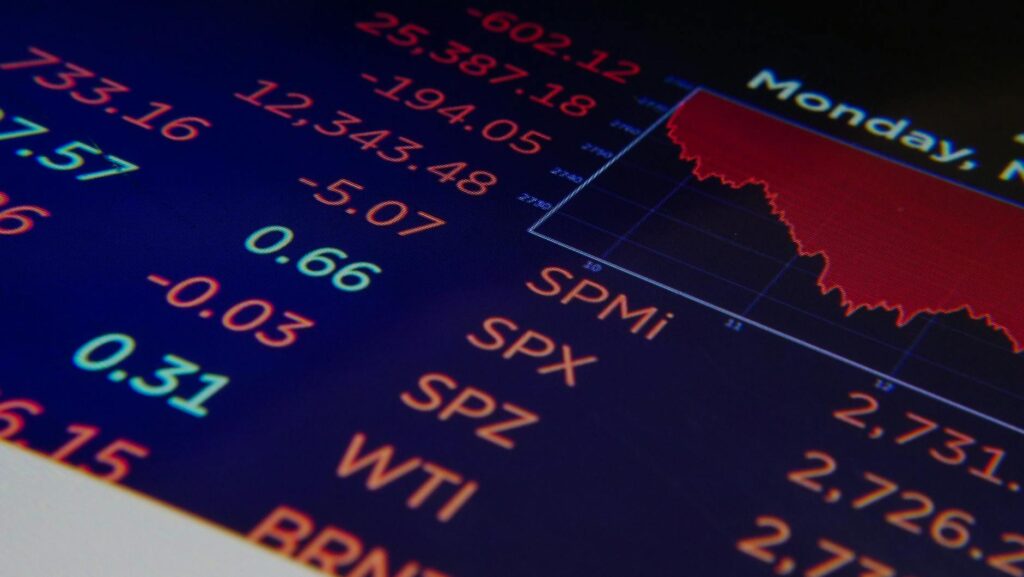
As investors in Canada woke up to a new day, they were met with a stark reality: the stock market was on the brink of a significant plunge, even before the opening bell had rung. The culprit behind this sudden downturn? Rising oil prices, fueled by the uncertainty surrounding the U.S.-Iran talks. For Canadians, this perfect storm of geopolitical tension and market volatility is a harbinger of potentially tough times ahead for their investments. The question on everyone’s mind is: how will this delicate situation unfold, and what does it mean for the average investor in Canada? With the country’s economy heavily reliant on international trade and the energy sector, the ripple effects of this uncertainty are already being felt.
What Is Happening
The current situation is a complex web of international politics, global markets, and economic interests. At its core, the U.S.-Iran talks represent a critical juncture in relations between the two nations, with far-reaching implications for global stability and, by extension, financial markets. The uncertainty surrounding these talks has led to a surge in oil prices, as investors fret about potential disruptions to oil supplies. This, in turn, has had a direct impact on stock markets, with shares in companies across various sectors taking a hit. For Canada, which is a significant player in the global energy market, these developments are particularly pertinent. The country’s energy sector, including giants like Suncor Energy and Enbridge, is closely watched by investors, and any fluctuations in oil prices can have a profound effect on the Canadian economy.
Why It Matters
The reason this situation matters so much to Canadian investors is rooted in the country’s economic structure. Canada’s economy is diversified, with significant contributions from the service sector, manufacturing, and, importantly, the energy sector. The energy sector, in particular, plays a critical role, given Canada’s vast oil reserves and its position as a major oil exporter. When oil prices rise due to geopolitical tensions, it can have a dual impact on Canada. On one hand, higher oil prices can benefit Canadian oil producers, potentially leading to increased revenues and profitability. On the other hand, the broader economic implications of higher oil prices, such as increased production costs for manufacturers and higher transportation costs for consumers, can dampen economic growth. Moreover, the uncertainty and volatility associated with these price movements can deter investment, hinder business planning, and ultimately affect the overall health of the Canadian stock market.

Key Drivers
Several key drivers are at play in this scenario, each contributing to the volatility and uncertainty in the markets. First and foremost, the geopolitical situation between the U.S. and Iran is the primary catalyst. The history of tensions between these two nations, coupled with the current diplomatic efforts, has created an environment of unpredictability. Any positive or negative development in these talks can significantly sway investor sentiments and, consequently, market directions. Another driver is the global demand for oil, which continues to be robust despite efforts to transition to cleaner energy sources. This demand, combined with concerns over supply disruptions due to geopolitical conflicts, contributes to the upward pressure on oil prices. Additionally, the monetary policies of central banks, including the Bank of Canada, play a crucial role in shaping investor decisions. Interest rates, inflation targets, and other policy tools can influence the attractiveness of stocks versus other investment options, further impacting the stock market’s performance.
Impact on Canada
For Canada, the impact of these developments is multifaceted. On the positive side, higher oil prices could boost the revenues of Canadian oil producers, potentially leading to increased investment in the energy sector. This could have a positive ripple effect on related industries, such as manufacturing and transportation, which rely on the energy sector for their operations. However, the negative impacts could outweigh these benefits, especially if the situation escalates and leads to a prolonged period of high oil prices. Canadian consumers could face higher costs for gasoline, heating oil, and other petroleum products, which could reduce disposable income and dampen consumer spending. Furthermore, the uncertainty and volatility in the market could lead to a decrease in business investment, as companies may adopt a wait-and-see approach, postponing expansion plans and hiring decisions until the geopolitical and market environments stabilize.

Expert Outlook
Experts are closely watching the situation, trying to gauge the potential outcomes and their implications for Canadian investors. According to many analysts, the key to navigating this challenging environment lies in diversification and a long-term investment strategy. By spreading investments across different asset classes, sectors, and geographies, investors can mitigate the risks associated with any one particular market or sector. Additionally, adopting a long-term perspective can help investors ride out short-term volatility, focusing instead on the fundamental strengths and growth potential of their investments. For those invested in the Canadian stock market, it might be wise to keep a close eye on energy stocks, as well as companies in sectors that are closely tied to the energy industry. At the same time, considering investments in sectors that are less correlated with oil prices, such as technology or healthcare, could provide a buffer against market volatility.
What to Watch
As the situation continues to unfold, there are several factors that Canadian investors should keep a close eye on. First and foremost, any developments in the U.S.-Iran talks will be crucial, as these could significantly impact oil prices and, by extension, the stock market. Additionally, investors should monitor the reactions of central banks, including the Bank of Canada, to the changing economic landscape. Monetary policy decisions, such as interest rate adjustments, can have a profound effect on the attractiveness of stocks and the overall direction of the market. The performance of key Canadian stocks, especially those in the energy sector, will also be closely watched, as these can provide insights into the broader health of the Canadian economy. Lastly, keeping an eye on global economic trends, including demand for oil and the progression of the energy transition, will be essential for investors looking to make informed decisions in this tumultuous environment. By staying informed and adaptable, Canadian investors can navigate the challenges posed by the current uncertainty surrounding U.S.-Iran talks and rising oil prices, positioning themselves for success in a rapidly changing investment landscape.
