
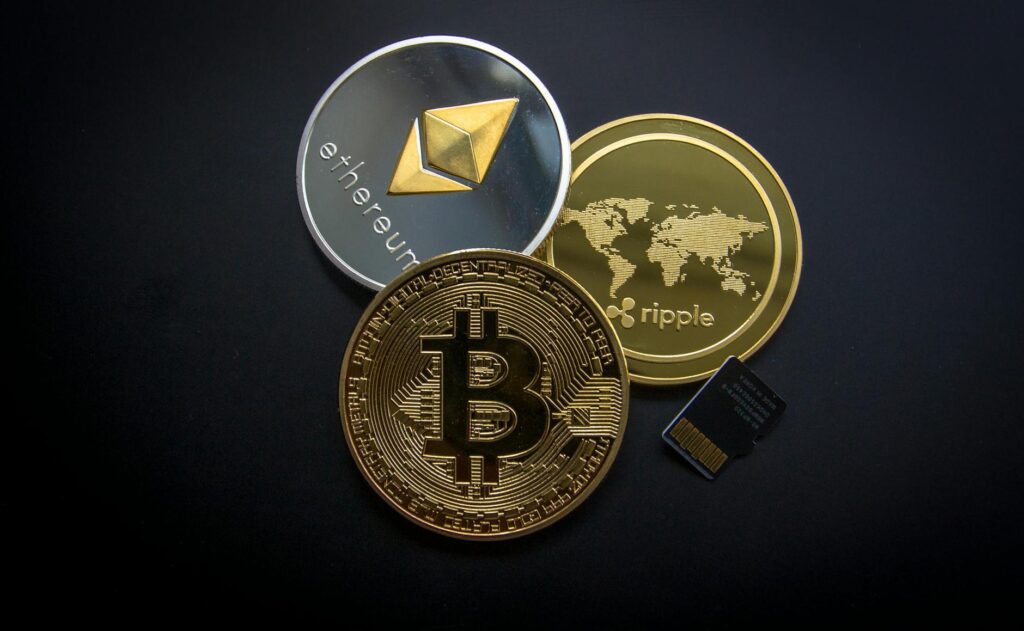
As the cryptocurrency market continues to evolve, a growing number of investors in the United States are turning to crypto staking as a way to earn rewards on their digital assets. This phenomenon is not just a passing trend, but rather a fundamental shift in the way people think about investing in cryptocurrencies. With the rise of decentralized finance (DeFi) and the increasing popularity of proof-of-stake (PoS) blockchains, crypto staking has become an attractive option for those looking to generate passive income from their crypto holdings. But what exactly is crypto staking, and how can investors in the United States get involved? In this article, we’ll delve into the world of crypto staking, exploring its benefits, risks, and key considerations for those looking to earn rewards on their crypto.
What Is Happening
Crypto staking is a process that allows cryptocurrency holders to validate transactions on a blockchain network and earn rewards in the form of additional coins or tokens. This is made possible by proof-of-stake (PoS) consensus algorithms, which require validators to “stake” their own coins as a way to demonstrate their commitment to the network. By doing so, validators help to secure the network, verify transactions, and create new blocks. In return, they receive a reward, typically in the form of newly minted coins or a fraction of the transaction fees. This process has become increasingly popular in recent years, with many investors in the United States turning to crypto staking as a way to generate passive income from their digital assets.
The rise of crypto staking can be attributed to the growing adoption of PoS blockchains, such as Ethereum, Polkadot, and Solana. These networks offer a more energy-efficient and scalable alternative to traditional proof-of-work (PoW) blockchains, which require significant computational power to validate transactions. As a result, crypto staking has become a viable option for investors looking to earn rewards on their crypto holdings without having to invest in expensive mining equipment. Furthermore, the proliferation of staking platforms and exchanges has made it easier than ever for investors to get involved, with many offering user-friendly interfaces and automated staking solutions.
Why It Matters
So why does crypto staking matter? For one, it offers a unique opportunity for investors to generate passive income from their digital assets. Unlike traditional investing, where returns are often tied to market performance, crypto staking allows investors to earn rewards regardless of market conditions. This can be particularly attractive in times of market volatility, where investors may be looking for ways to hedge their bets and generate stable returns. Additionally, crypto staking can help to support the overall health and security of blockchain networks, which is essential for the long-term viability of the cryptocurrency market.
Moreover, crypto staking has the potential to democratize access to investment opportunities, particularly for those who may not have the resources or expertise to participate in traditional investing. By providing a low-barrier entry point for investors, crypto staking can help to level the playing field and create new opportunities for individuals and institutions alike. This is particularly relevant in the United States, where there is a growing demand for alternative investment options and a increasing awareness of the potential benefits of cryptocurrencies.

Key Drivers
So what are the key drivers behind the growth of crypto staking? One major factor is the increasing adoption of PoS blockchains, which offer a more energy-efficient and scalable alternative to traditional PoW blockchains. Another driver is the proliferation of staking platforms and exchanges, which have made it easier than ever for investors to get involved. Additionally, the growing awareness of the potential benefits of cryptocurrencies, particularly among institutional investors, has helped to drive interest in crypto staking.
Furthermore, the rise of DeFi has also played a significant role in the growth of crypto staking. DeFi platforms, such as Uniswap and Aave, have created new opportunities for investors to earn yields on their crypto holdings, and crypto staking has become an integral part of this ecosystem. As DeFi continues to evolve and mature, it is likely that crypto staking will play an increasingly important role in the space.
Impact on United States
So what does the growth of crypto staking mean for investors in the United States? For one, it offers a new way to generate passive income from digital assets, which can be particularly attractive in times of market volatility. Additionally, crypto staking can provide a low-barrier entry point for investors who may not have the resources or expertise to participate in traditional investing. This can help to democratize access to investment opportunities and create new opportunities for individuals and institutions alike.
Moreover, the growth of crypto staking has the potential to support the development of the cryptocurrency market in the United States. By providing a new way to earn rewards on crypto holdings, crypto staking can help to increase demand for digital assets, which can in turn drive growth and adoption. This can have a positive impact on the overall cryptocurrency ecosystem, supporting the development of new technologies, platforms, and services.

Expert Outlook
So what do experts think about the future of crypto staking? According to many, crypto staking is here to stay, and its popularity is likely to continue to grow in the coming years. “Crypto staking offers a unique opportunity for investors to generate passive income from their digital assets,” says Emily Chen, a cryptocurrency expert at a leading investment firm. “As the cryptocurrency market continues to evolve, we expect to see increased adoption of crypto staking, particularly among institutional investors.”
Another expert, David Kim, a blockchain researcher at a top university, agrees. “Crypto staking has the potential to revolutionize the way we think about investing in cryptocurrencies,” he says. “By providing a low-barrier entry point for investors, crypto staking can help to democratize access to investment opportunities and create new opportunities for individuals and institutions alike.”
What to Watch
So what should investors in the United States be watching when it comes to crypto staking? For one, they should be keeping an eye on the development of new PoS blockchains and staking platforms, which can offer new opportunities for investors to earn rewards on their crypto holdings. Additionally, investors should be monitoring the growth of DeFi, which is likely to continue to play a significant role in the cryptocurrency market.
Moreover, investors should be aware of the potential risks associated with crypto staking, including the risk of market volatility and the potential for regulatory changes. As with any investment, it is essential to do your research and understand the potential benefits and risks before getting involved. By staying informed and up-to-date on the latest developments in the cryptocurrency market, investors in the United States can make informed decisions about their investments and take advantage of the opportunities presented by crypto staking.