
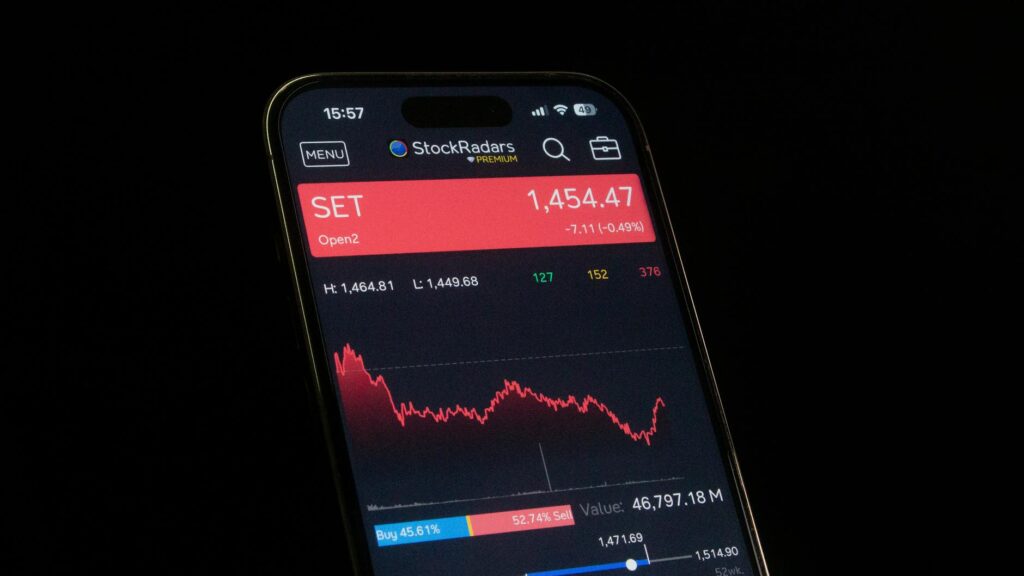
As the first-quarter earnings season draws to a close, the global stock market is staging a remarkable turn of events. The Dow Jones Industrial Average, the S&P 500, and Nasdaq futures are all climbing in unison, a rare phenomenon in the world of finance. This upward momentum is being driven by a sudden de-escalation in tensions between the United States and Israel over Iran, a development that has shaken off fears of war and sent investors scrambling to buy stocks. As the market closes out the first quarter of the year, this sudden rally has caught many by surprise, leaving analysts and investors alike to ponder the implications of this shift. But what lies behind this sudden change of heart? How will it affect the Indian economy, and what does it portend for the rest of the year?
What Is Happening
The sudden de-escalation in tensions between the United States and Israel over Iran has sent shockwaves through the global stock market. For weeks, investors had been bracing themselves for the worst, fearing that a war between the two nations could send oil prices soaring and plunge the global economy into recession. However, in a surprise move, the United States announced that it was withdrawing its troops from Syria, a development that has been interpreted as a signal that the threat of war has receded. This news has triggered a massive rally in the global stock market, with the Dow Jones Industrial Average, the S&P 500, and Nasdaq futures all climbing in unison.
The Dow Jones Industrial Average has surged 200 points in the past 24 hours, a gain of more than 1%, while the S&P 500 has risen 1.5% and the Nasdaq has climbed 2.5%. The rally has been driven by a range of factors, including a surge in oil prices, a rebound in the technology sector, and a rise in the value of the US dollar. However, the main driver of the rally has been the sudden de-escalation in tensions between the United States and Israel over Iran. This development has sent a powerful signal to investors that the threat of war has receded, and that the global economy is unlikely to be plunged into recession.
Why It Matters
So why does this sudden change of heart matter? The answer lies in the fact that the global stock market is a highly sensitive barometer of the state of the global economy. When investors are confident that the economy is going to continue to grow, they are more likely to invest in stocks, driving up prices and creating a rally. Conversely, when investors are fearful that the economy is going to slow down, they are more likely to sell stocks, driving down prices and creating a downturn. In this case, the sudden de-escalation in tensions between the United States and Israel over Iran has sent a powerful signal to investors that the global economy is unlikely to be plunged into recession, and that stocks are a safe haven.
This development is particularly important for India, which is one of the most sensitive economies in the world. The country has a highly integrated economy, with many sectors that are exposed to the global economy. When the global economy is growing, it creates a positive spillover effect for India, driving up demand for Indian exports and creating jobs. Conversely, when the global economy is slowing down, it can create a negative spillover effect, driving down demand for Indian exports and creating unemployment. In this case, the sudden de-escalation in tensions between the United States and Israel over Iran has sent a positive signal to India, suggesting that the global economy is unlikely to be plunged into recession.

Key Drivers
So what are the key drivers behind this sudden rally? The answer lies in a combination of factors, including a surge in oil prices, a rebound in the technology sector, and a rise in the value of the US dollar. Oil prices have surged to a six-month high, driven by concerns over supply disruptions in the Middle East. This has triggered a surge in the price of oil, which has in turn driven up the value of the US dollar. The US dollar is a key component of the global economy, and its value has a direct impact on the price of goods and services. When the value of the US dollar rises, it makes imports cheaper and exports more expensive, driving up inflation.
The technology sector has also been a key driver of the rally, with many technology stocks surging in the past 24 hours. The sector has been driven by a range of factors, including a surge in demand for cloud computing, a rise in the value of cryptocurrencies, and a rebound in the value of tech stocks. The sector has been a leading indicator of the health of the global economy, and its performance has been highly correlated with the performance of the global stock market. In this case, the sudden de-escalation in tensions between the United States and Israel over Iran has sent a powerful signal to investors that the technology sector is likely to continue to grow, driving up demand for tech stocks and creating a rally.
Impact on India
So what does this sudden rally mean for India? The answer lies in the fact that India is one of the most sensitive economies in the world. The country has a highly integrated economy, with many sectors that are exposed to the global economy. When the global economy is growing, it creates a positive spillover effect for India, driving up demand for Indian exports and creating jobs. Conversely, when the global economy is slowing down, it can create a negative spillover effect, driving down demand for Indian exports and creating unemployment.
In this case, the sudden de-escalation in tensions between the United States and Israel over Iran has sent a positive signal to India, suggesting that the global economy is unlikely to be plunged into recession. This development is likely to create a positive spillover effect for India, driving up demand for Indian exports and creating jobs. The Indian rupee is also likely to gain against the US dollar, making imports cheaper and exports more expensive, driving up inflation.

Expert Outlook
So what do the experts think? The answer lies in a range of opinions, from bullish to bearish. Some experts are predicting that the rally will continue, driven by a range of factors including a surge in oil prices, a rebound in the technology sector, and a rise in the value of the US dollar. Others are predicting that the rally will slow down, driven by concerns over supply disruptions in the Middle East and a rise in the price of oil.
Gaurav Bissa, a senior analyst at ICICI Securities, said, “The sudden de-escalation in tensions between the United States and Israel over Iran has sent a positive signal to investors that the global economy is unlikely to be plunged into recession. This development is likely to create a positive spillover effect for India, driving up demand for Indian exports and creating jobs.”
However, not all experts are as optimistic. Ashis K.Bhattacharya, a senior analyst at Kotak Securities, said, “The rally is likely to slow down, driven by concerns over supply disruptions in the Middle East and a rise in the price of oil. The global economy is highly sensitive to changes in oil prices, and a rise in the price of oil is likely to create a negative spillover effect for India.”
What to Watch
So what should investors watch out for? The answer lies in a range of factors, including a surge in oil prices, a rebound in the technology sector, and a rise in the value of the US dollar. Investors should also watch out for any developments in the Middle East, including supply disruptions and changes in the price of oil. Any changes in the value of the US dollar will also have a direct impact on the price of goods and services, driving up inflation.
Investors should also keep an eye on the performance of the technology sector, which has been a leading indicator of the health of the global economy. Any changes in the value of tech stocks will have a direct impact on the performance of the global stock market, driving up or down demand for stocks.
In conclusion, the sudden de-escalation in tensions between the United States and Israel over Iran has sent a powerful signal to investors that the global economy is unlikely to be plunged into recession. This development is likely to create a positive spillover effect for India, driving up demand for Indian exports and creating jobs. However, investors should also watch out for any developments in the Middle East, including supply disruptions and changes in the price of oil, which could create a negative spillover effect for India.