
As the Indian stock market continues to grow and attract investors from around the world, one crucial aspect of investing in precious metals has taken center stage: the rules governing Gold IRA storage. The Internal Revenue Service (IRS) in the United States has strict regulations in place for storing these valuable assets, and investors in India are now grappling with the implications of these rules on their investment portfolios. The IRS’s requirements for storing precious metals in a Gold IRA have far-reaching consequences, affecting not only Indian investors but also the broader Indian stock market. As the global economy continues to navigate unprecedented times, understanding these rules is more important than ever for Indian investors and stock market enthusiasts.
What Is Happening
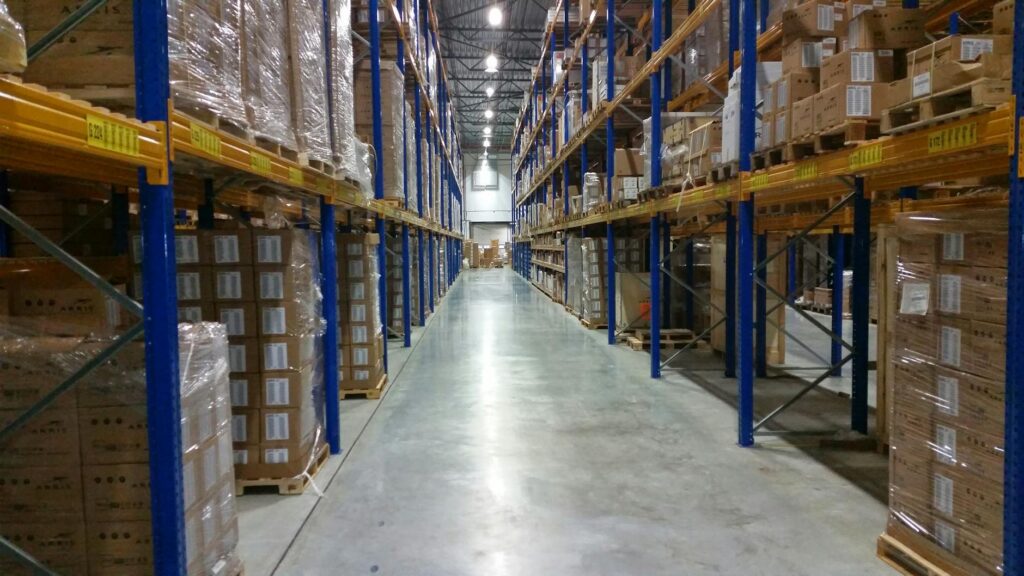
The IRS requires that all precious metals invested in a Gold IRA be stored in a secure and audited facility, often referred to as a “depository.” These depositories are approved by the IRS and must meet stringent security and safety standards. In the United States, some of the most well-known depositories include the Delaware Depository, the NYMEX (New York Mercantile Exchange) Depository, and the COMEX (Commodity Exchange) Depository. These facilities are designed to provide a safe and secure environment for storing precious metals, and they are also responsible for verifying the authenticity and purity of the metals being stored.
However, for Indian investors, accessing these depositories can be a complex and costly process. Many Indian investors have traditionally stored their precious metals in local temples, banks, or other secure facilities, but these options may not meet the IRS’s strict requirements. As a result, Indian investors are now seeking alternative storage solutions that comply with the IRS’s regulations and offer a high level of security and transparency.
Why It Matters
The IRS’s requirements for storing precious metals in a Gold IRA have significant implications for Indian investors and the broader Indian stock market. Firstly, the rules create barriers to accessing the global market for precious metals, which can limit the investment options available to Indian investors. Secondly, the costs associated with complying with the IRS’s regulations can be substantial, which can reduce the attractiveness of investing in precious metals for Indian investors.
Furthermore, the IRS’s requirements for storing precious metals in a Gold IRA can also have a negative impact on the Indian economy. As Indian investors are forced to seek alternative storage solutions, the economic benefits of investing in precious metals may be lost to other countries with more favorable regulations. This could have a ripple effect on the Indian stock market, potentially leading to reduced investor confidence and a decrease in investment activity.

Key Drivers
Several key drivers are shaping the Indian stock market’s response to the IRS’s requirements for storing precious metals in a Gold IRA. Firstly, the Indian government’s efforts to promote gold investing have been hindered by the IRS’s regulations. The Indian government has long encouraged Indians to invest in gold as a hedge against inflation and currency fluctuations, but the complexities and costs associated with complying with the IRS’s regulations have undermined these efforts.
Secondly, the rise of digital storage solutions is providing Indian investors with alternative options for storing precious metals. Companies such as GoldMoney and BullionVault are offering secure and transparent storage solutions that comply with the IRS’s regulations and are accessible to Indian investors. These solutions are not only cost-effective but also offer a high level of security and flexibility.
Impact on India
The IRS’s requirements for storing precious metals in a Gold IRA are having a significant impact on the Indian stock market and economy. The complex and costly process of complying with the IRS’s regulations is deterring many Indian investors from investing in precious metals, which is reducing the economic benefits of this investment opportunity.
Furthermore, the IRS’s regulations are also affecting the Indian banking system. Many Indian banks are now struggling to meet the IRS’s requirements for storing precious metals, which is creating a bottleneck in the system and limiting the availability of precious metals for Indian investors.

Expert Outlook
Experts in the field of precious metals investing are divided on the impact of the IRS’s requirements on the Indian stock market and economy. Some experts believe that the regulations are a necessary step towards promoting transparency and security in the precious metals market, while others see them as a barrier to accessing the global market for precious metals.
“I think the IRS’s regulations are a step in the right direction,” said Rohan Puri, a Mumbai-based precious metals expert. “They are promoting transparency and security in the market, which is essential for attracting international investors.”
However, other experts are more critical of the regulations. “These regulations are a major barrier to accessing the global market for precious metals,” said Vivek Kumar, a New Delhi-based economist. “They are limiting the investment options available to Indian investors and reducing the economic benefits of investing in precious metals.”
What to Watch
As the Indian stock market continues to grapple with the IRS’s requirements for storing precious metals in a Gold IRA, several key trends are emerging that investors and policymakers should watch closely. Firstly, the rise of digital storage solutions is likely to continue, providing Indian investors with alternative options for storing precious metals.
Secondly, the Indian government is expected to take steps to promote gold investing and reduce the complexities associated with complying with the IRS’s regulations. This could include the establishment of a domestic depository that meets the IRS’s standards or the creation of a gold exchange that facilitates the buying and selling of precious metals.
Finally, the impact of the IRS’s regulations on the Indian economy and stock market will continue to be a major theme in the coming years. As the global economy continues to navigate unprecedented times, understanding the implications of these regulations is essential for making informed investment decisions and promoting economic growth in India.