Key Takeaways
- This article covers the latest developments around SpaceX Is Going Public. Why a Tesla Merger Could Be Musk’s Real Endgame. and their market implications.
- Industry experts and analysts are closely monitoring how this situation evolves.
- Investors and business professionals should review exposure and strategy in light of these changes.
- Key risks and opportunities are examined in detail below.
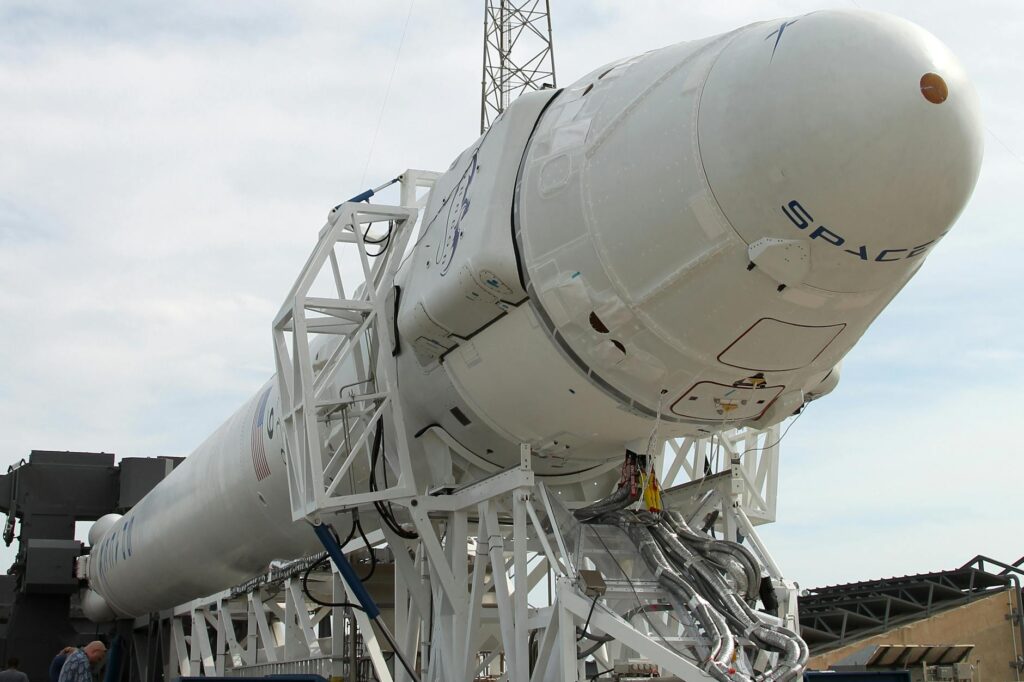
As SpaceX edges closer to a highly anticipated initial public offering (IPO), the tech world is abuzz with speculation about Elon Musk’s next move. The SpaceX IPO, which could reportedly raise up to $25 billion, would make the space exploration company one of the largest and most valuable startups to go public in recent history. Meanwhile, rumors of a potential merger between Tesla and SpaceX have been circulating for months, with some analysts predicting a deal could be imminent. But what would a merger between these two tech giants mean for investors, regulators, and the broader ecosystem?
The notion of a Tesla-SpaceX merger has sparked a heated debate among analysts and investors. Some argue that a merger would create a behemoth with unparalleled resources and capabilities, revolutionizing the electric vehicle and space exploration industries. Others, however, have expressed concerns about the potential risks and challenges associated with such a deal. With the SpaceX IPO on the horizon, it’s more likely than ever that a merger between the two companies could be on the table.
Setting the Stage
SpaceX has been a lightning rod for attention in recent years, thanks in part to its ambitious plans to send humans to Mars and establish a permanent, self-sustaining presence on the Red Planet. The company has made significant strides in recent years, including the successful launch of its Starship spacecraft and the development of advanced propulsion technologies. With the SpaceX IPO on the horizon, investors are eagerly awaiting the chance to get in on the ground floor of this revolutionary company.
Tesla, on the other hand, has been a leader in the electric vehicle (EV) market for years, with a growing lineup of increasingly popular models. The company has also been at the forefront of autonomous driving technology, with its Autopilot system already deployed in thousands of vehicles on the road. With the global EV market expected to reach $1 trillion by 2025, a merger between Tesla and SpaceX could create a powerhouse with unparalleled resources and capabilities.
But what would a merger between these two companies mean for investors? Analysts at Goldman Sachs have predicted that a merger could create a company with a combined market value of over $500 billion, making it one of the largest and most valuable companies in the world. However, others have expressed concerns about the potential risks and challenges associated with such a deal, including the need to integrate two complex and separate operations.
What’s Driving This
So, what’s behind the rumors of a potential merger between Tesla and SpaceX? One reason is the growing recognition of the need for companies to invest in emerging technologies like electric vehicles and space exploration. As governments and regulators increasingly prioritize sustainability and environmental protection, companies that can demonstrate a commitment to these goals are likely to be rewarded. With the global EV market expected to reach $1 trillion by 2025, a merger between Tesla and SpaceX could create a powerhouse with unparalleled resources and capabilities.
Another factor driving the rumors of a potential merger is the growing importance of space exploration in the tech industry. With companies like SpaceX and Blue Origin leading the charge, space exploration is becoming an increasingly important area of investment and innovation. As governments and regulators increasingly prioritize space exploration, companies that can demonstrate a commitment to this goal are likely to be rewarded.
But what about the regulatory environment? Analysts at Morgan Stanley have predicted that a merger between Tesla and SpaceX could face significant regulatory hurdles, including the need to secure approval from the Federal Trade Commission (FTC) and the Securities and Exchange Commission (SEC). However, others have expressed confidence that the companies can overcome these challenges and create a successful merger.

Winners and Losers
So, who would be the winners and losers in a potential merger between Tesla and SpaceX? On the one hand, investors in both companies could see significant gains, as the combined entity would be worth billions more than the sum of its parts. Customers of both companies could also benefit, as the merged entity would have the resources and capabilities to develop and deploy cutting-edge technologies more quickly and efficiently.
On the other hand, some analysts have expressed concerns about the potential risks and challenges associated with a merger, including the need to integrate two complex and separate operations. Employees of both companies could also face uncertainty and disruption, as the merged entity would likely require significant restructuring and cost-cutting measures.
Behind the Headlines
While the rumors of a potential merger between Tesla and SpaceX have been widely covered in the media, there’s more to the story than meets the eye. One reason is the growing importance of sustainability and environmental protection in the tech industry. With governments and regulators increasingly prioritizing these goals, companies that can demonstrate a commitment to sustainability are likely to be rewarded.
Another factor behind the rumors of a potential merger is the growing recognition of the need for companies to invest in emerging technologies like electric vehicles and space exploration. As the global EV market is expected to reach $1 trillion by 2025, companies that can demonstrate a commitment to this goal are likely to be rewarded.
But what about the leadership of Elon Musk? Analysts at UBS have predicted that Musk’s leadership style and vision are key factors driving the rumors of a potential merger. With Musk at the helm, the combined entity would have a clear and compelling vision for the future, and the resources and capabilities to make it a reality.

Industry Reaction
So, how has the tech industry reacted to the rumors of a potential merger between Tesla and SpaceX? On the one hand, some analysts have expressed enthusiasm for the potential deal, predicting that it could create a powerhouse with unparalleled resources and capabilities. Others, however, have expressed concerns about the potential risks and challenges associated with such a deal.
One reason for the skepticism is the growing importance of regulatory approval in the tech industry. With governments and regulators increasingly prioritizing sustainability and environmental protection, companies that can demonstrate a commitment to these goals are likely to be rewarded. But a merger between Tesla and SpaceX would require significant regulatory approval, and some analysts have expressed concerns about the potential hurdles and challenges associated with this process.
Investor Takeaways
So, what do investors need to know about the rumors of a potential merger between Tesla and SpaceX? On the one hand, a merger could create a powerhouse with unparalleled resources and capabilities, revolutionizing the electric vehicle and space exploration industries. On the other hand, the potential risks and challenges associated with such a deal are significant.
One key takeaway is the growing importance of sustainability and environmental protection in the tech industry. With governments and regulators increasingly prioritizing these goals, companies that can demonstrate a commitment to sustainability are likely to be rewarded. A merger between Tesla and SpaceX would require significant investments in sustainability and environmental protection, and investors should be prepared for the potential risks and challenges associated with this process.
Potential Risks
So, what are the potential risks associated with a merger between Tesla and SpaceX? On the one hand, a merger could create a powerhouse with unparalleled resources and capabilities, revolutionizing the electric vehicle and space exploration industries. On the other hand, the potential risks and challenges associated with such a deal are significant.
One key risk is the growing importance of regulatory approval in the tech industry. With governments and regulators increasingly prioritizing sustainability and environmental protection, companies that can demonstrate a commitment to these goals are likely to be rewarded. However, a merger between Tesla and SpaceX would require significant regulatory approval, and some analysts have expressed concerns about the potential hurdles and challenges associated with this process.
Another key risk is the need for significant investments in sustainability and environmental protection. With governments and regulators increasingly prioritizing these goals, companies that can demonstrate a commitment to sustainability are likely to be rewarded. However, a merger between Tesla and SpaceX would require significant investments in this area, and investors should be prepared for the potential risks and challenges associated with this process.
Looking Ahead
So, what’s next for Tesla, SpaceX, and the broader ecosystem? On the one hand, a merger between Tesla and SpaceX could create a powerhouse with unparalleled resources and capabilities, revolutionizing the electric vehicle and space exploration industries. On the other hand, the potential risks and challenges associated with such a deal are significant.
One key takeaway is the growing importance of sustainability and environmental protection in the tech industry. With governments and regulators increasingly prioritizing these goals, companies that can demonstrate a commitment to sustainability are likely to be rewarded. A merger between Tesla and SpaceX would require significant investments in sustainability and environmental protection, and investors should be prepared for the potential risks and challenges associated with this process.
As the rumors of a potential merger between Tesla and SpaceX continue to swirl, one thing is clear: the tech industry is on the cusp of a revolution. With companies like SpaceX and Blue Origin leading the charge, space exploration is becoming an increasingly important area of investment and innovation. As governments and regulators increasingly prioritize sustainability and environmental protection, companies that can demonstrate a commitment to these goals are likely to be rewarded. With the global EV market expected to reach $1 trillion by 2025, a merger between Tesla and SpaceX could create a powerhouse with unparalleled resources and capabilities, revolutionizing the electric vehicle and space exploration industries.
Frequently Asked Questions
What are the potential benefits of a SpaceX and Tesla merger for Elon Musk's business empire?
A merger between SpaceX and Tesla could create a conglomerate with unparalleled capabilities in electric vehicles, renewable energy, and space exploration. This could lead to significant cost savings, increased efficiency, and improved competitiveness for both companies, ultimately strengthening Musk's business empire and solidifying his position as a leader in innovative industries.
How would a SpaceX IPO impact the company's ability to raise capital and fund its ambitious projects?
Going public would provide SpaceX with access to a large pool of investors, enabling the company to raise significant capital to fund its projects, such as Starship and Starlink. This could accelerate the development and deployment of these initiatives, helping SpaceX to achieve its goals and expand its presence in the space industry.
What role would Elon Musk play in a merged SpaceX and Tesla entity, and how would his leadership style impact the combined company?
As the CEO of both SpaceX and Tesla, Musk would likely play a central role in leading the merged entity, driving innovation and strategy. His leadership style, which emphasizes rapid iteration and risk-taking, could lead to significant breakthroughs and advancements, but also poses risks if not balanced with prudent management and governance practices.
How would a merger between SpaceX and Tesla affect the companies' respective cultures and workforces, and what challenges might arise?
A merger could lead to cultural and workforce integration challenges, as SpaceX and Tesla have distinct cultures and work environments. Managing these differences and ensuring a smooth transition would be crucial to the success of the combined entity, requiring careful planning, communication, and leadership to minimize disruption and maintain employee morale and productivity.
What regulatory hurdles would a SpaceX and Tesla merger need to overcome, and how might these impact the deal's timeline and outcome?
A merger between SpaceX and Tesla would need to navigate complex regulatory requirements, including antitrust reviews and approvals from relevant government agencies. The deal's timeline and outcome could be influenced by factors such as national security concerns, competitive landscape assessments, and reviews of the companies' financial and operational structures, making it essential to carefully manage the regulatory process.