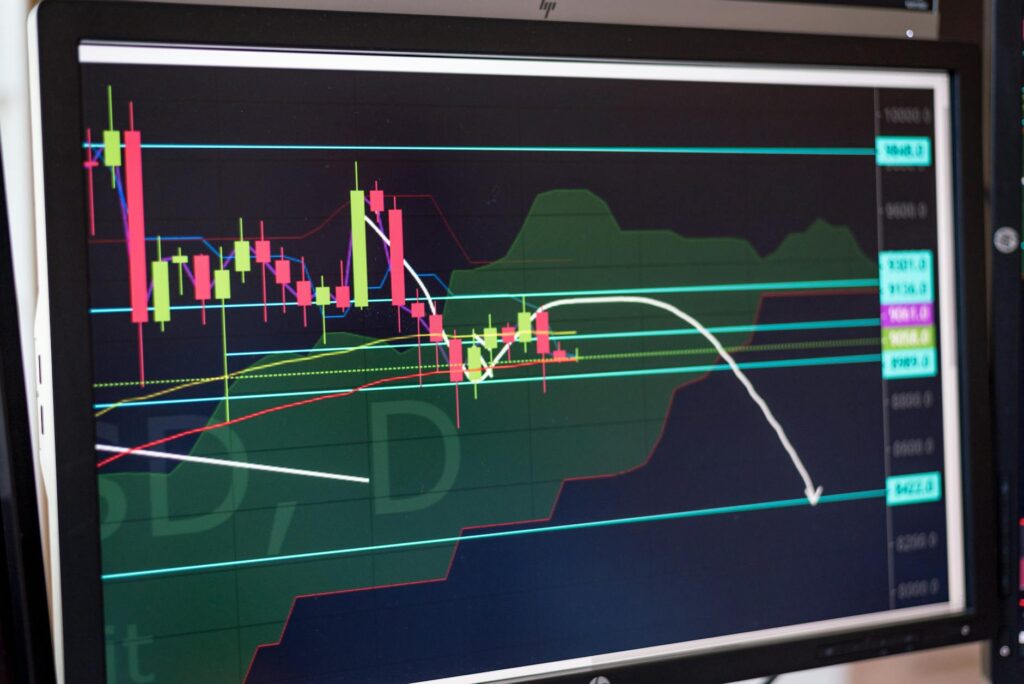

As investors continue to grapple with the unpredictable terrain of the stock market in the United States, a recent phenomenon has captured the attention of traders and analysts alike: an enormous and unusual put action in Robinhood stock, which some believe could be indicative of a bottoming process. With the company’s shares having suffered significant declines in recent months, the sudden surge in put options has left many questioning whether it’s a sign of impending doom or a potential turning point. For those interested in the health of the US stock market, particularly in the realm of fintech and e-commerce, this development is more than worth paying attention to.
What Is Happening
In the past week, a staggering 3.5 million Robinhood (HOOD) put options have been traded, a staggering figure that surpasses the daily average by over 10 times. This unusual put activity has led to a significant increase in the open interest for HOOD put options, with many traders betting on a decline in the company’s stock price. What’s even more striking is that this surge in put options is mainly driven by retail traders, rather than institutional investors. According to data from the Options Clearing Corporation (OCC), the majority of these trades are being executed through Robinhood’s own platform, further emphasizing the role of individual traders in shaping the market.
This level of put activity is extraordinary, even by the standards of the most volatile stocks. Typically, a put option strike price of around 40-50% below the current trading price would be considered an aggressive bet, but with HOOD trading around $13 per share, the put options are now being priced at a strike price of $10, indicating a potential decline of as much as 23%. The sheer scale and magnitude of this put action are unprecedented, and it’s prompting many to wonder whether the HOOD stock has indeed bottomed out.
Why It Matters
This massive put action in Robinhood stock is not just a curiosity or a minor market anomaly – it has significant implications for the US stock market. For one, it reflects the sentiment of retail traders, who often serve as barometers for market psychology. If these traders are betting on a decline in HOOD, it may indicate a broader skepticism about the company’s prospects, potentially reflecting concerns about the competitive landscape in fintech or the company’s ability to execute on its growth strategy.
Furthermore, this put action could also be seen as a vote of no confidence in the broader US stock market. If retail traders are willing to bet against HOOD, it may suggest that they’re losing faith in the market’s overall trajectory. This could be particularly concerning for investors who are heavily exposed to the fintech sector, which has been a darling of the US stock market in recent years.

Key Drivers
Several factors are driving this surge in put options on Robinhood stock. One reason is the company’s recent slump, which has seen its shares decline by over 60% in the past year. This decline has likely led to increased uncertainty among investors, making them more risk-averse and inclined to bet on a decline. Additionally, the regulatory environment in the US has become increasingly hostile towards fintech companies, with regulators scrutinizing their business models and imposing stricter regulations.
Another key driver is the competition in the fintech space. With established players like Fidelity and Schwab expanding their presence in the market, Robinhood faces significant challenges in maintaining its market share. This increased competition may be fueling concerns among investors about the company’s ability to adapt and innovate. As a result, the put action on HOOD is not just a reaction to the company’s current performance but also a reflection of the growing uncertainty and skepticism about its long-term prospects.
Impact on United States
The impact of this put action on the US stock market is multifaceted. On one hand, it could be a sign that investors are becoming more risk-averse, which may translate to a broader market sell-off in the coming weeks. On the other hand, it could also be a buying opportunity for those who believe that HOOD has indeed bottomed out and is poised for a recovery. For the US stock market as a whole, this development serves as a reminder that even the most seemingly solid stocks can face significant challenges and that the sentiment of retail traders should not be taken lightly.

Expert Outlook
Analysts and industry experts are divided on the implications of this put action. Some believe that it’s a sign of weakness in the market, while others see it as an opportunity for growth. “We’re seeing a classic example of a bearish sentiment-driven market,” said Dan Nathan, founder of RiskReversal.com. “This put action is a vote of no confidence in HOOD, and it’s likely to have a ripple effect on the broader market.” In contrast, Ryan Cohen, a well-known activist investor and owner of the 10th largest stake in Robinhood, believes that the company has a strong growth story and that the put action is a buying opportunity. “This is a chance to get in on the ground floor of a great company at a discounted price,” Cohen said.
What to Watch
As the US stock market continues to navigate the treacherous waters of the fintech space, several key developments will be worth watching in the coming weeks. One is the company’s response to the surge in put options, which could provide insight into its confidence in its growth strategy. Another is the reaction of institutional investors, who may see this put action as an opportunity to short HOOD or sell it. Finally, the broader market trend will be worth monitoring, as a potential sell-off could have significant implications for the US stock market as a whole.