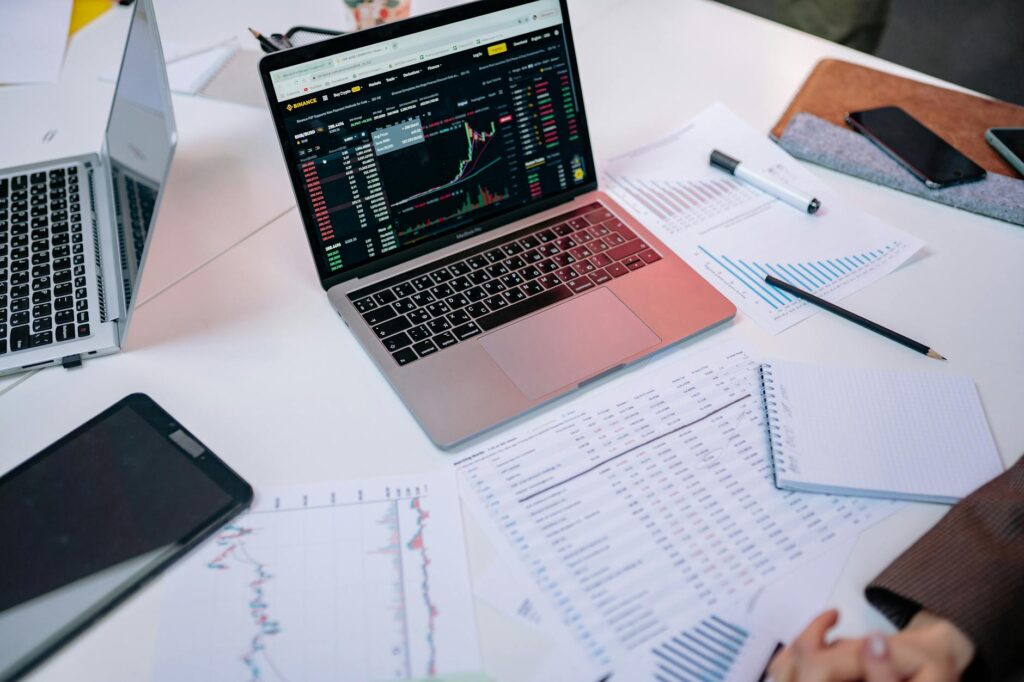
As the clock ticks down to a critical deadline with Iran, the stock market in the United States is bracing for impact. The Dow Jones and S&P 500 closed in opposite directions yesterday, with the Dow Jones Industrial Average slipping 0.2% and the S&P 500 eking out a slim gain of 0.1%. But amidst the market’s mixed signals, one thing is clear: this is no ordinary trading session. The United States’s startup ecosystem, so reliant on global economic trends, is watching events unfold with bated breath. The stakes are high, and the potential risks – or rewards – are too great to ignore. For entrepreneurs, investors, and anyone riding the startup wave, understanding the connection between the market’s twists and the future of innovation is essential.
What Is Happening
The critical deadline alluded to above has to do with a US Supreme Court decision from last week that blocked a Trump-era rule allowing states to bar Planned Parenthood from their Medicaid programs. But the immediate backdrop to this story is the looming threat of war in the Middle East. Iran has been embroiled in a protracted standoff with the West, and tensions have escalated lately. As this deadline draws near, investors are on high alert, and the US stock market is in a precarious state. The Dow Jones and S&P 500, two of the most closely watched indices in the world, closed with a stark difference. While the Dow slipped, the S&P 500 rose, leaving many to wonder what this trend signifies.
The Dow Jones’s slight decline is a notable development, especially given the market’s recent history. Just last year, the Dow suffered a sharp downturn amidst concerns over the same Iran tensions that are now escalating. The S&P 500’s narrow gain, on the other hand, is a welcome sign for investors looking for reasons to be optimistic. Yet, the mixed signals from the market are a sobering reminder of the uncertainty surrounding the global economy.
Why It Matters
The interplay between the US stock market and global events is nothing new. However, the stakes are particularly high in this instance. As the world teeters on the brink of war, investors are scrambling to adjust their expectations and navigate the choppy waters of geopolitics. The impact on startups is direct and potentially far-reaching. Funding rounds, IPOs, and mergers and acquisitions are all at risk of being derailed by the uncertainty surrounding the market.
Consider the example of UnitedHealth Group (UNH), a stalwart of the healthcare industry in the United States. While UNH shares have held their ground during the market’s recent volatility, the company’s fortunes are inextricably linked to broader economic trends. If the US stock market continues on its uncertain trajectory, the consequences for UNH and other major players in the healthcare sector could be severe.

Key Drivers
So what’s driving this mixed response from the market? The answer lies in a complex interplay of factors. Geopolitics, as mentioned earlier, is a major concern. The looming threat of war in the Middle East and the uncertainty surrounding the Iran situation have sent shockwaves through global markets. Additionally, investors are grappling with the implications of a potentially hawkish Federal Reserve, which is poised to raise interest rates in the coming months.
Meanwhile, the US economy remains in a period of transition. The manufacturing sector is showing signs of strain, while consumer confidence has been flagging in recent months. Add to this the ongoing trade tensions with China, and the picture becomes increasingly complicated. For the startup ecosystem, this translates to a challenging environment in which to raise capital, attract talent, and execute business plans.
Impact on United States
The impact on the United States is multifaceted and far-reaching. In terms of economic growth, the country faces a delicate balance between expansion and contraction. If the market continues on its uncertain trajectory, the consequences could be severe. The US economy is still reeling from the 2008 financial crisis, and another downturn would be a severe blow to many households and businesses.
Meanwhile, the startup ecosystem is bracing for impact. Startups are often the vanguard of innovation, but they are also among the most vulnerable to market fluctuations. Funding rounds, once a staple of the startup landscape, are becoming increasingly scarce. As investors become more risk-averse, startups are finding it increasingly difficult to secure the capital they need to grow and succeed.

Expert Outlook
We spoke with a prominent investment expert who wishes to remain anonymous to gain insight into the current market dynamics. “The situation with Iran is a wild card, and investors are taking a wait-and-see approach,” they said. “If tensions escalate, we could see a sharp downturn in the market. On the other hand, if diplomacy prevails, the market could rebound strongly.”
This expert also highlighted the potential risks facing the startup ecosystem. “Startups are already facing a tough environment, and the market’s uncertainty is only making things worse,” they noted. “If investors become even more risk-averse, we could see a sharp contraction in the number of startups being funded.”
What to Watch
As the clock ticks down to the critical deadline, investors and entrepreneurs are watching the market with bated breath. The stakes are high, and the potential risks – or rewards – are too great to ignore. So what are the key things to watch in the coming days?
First and foremost, keep a close eye on the US stock market’s response to the Iran situation. Will the market continue on its uncertain trajectory, or will a diplomatic breakthrough provide a much-needed boost? Second, pay attention to the startup ecosystem’s response to the market’s volatility. Will startups be able to weather the storm, or will the funding drought become even more severe?
As the clock ticks down, one thing is clear: the future of the US stock market and the startup ecosystem hangs in the balance. The coming days will be pivotal, and the decisions made will have far-reaching consequences for the economy and innovation as a whole.