
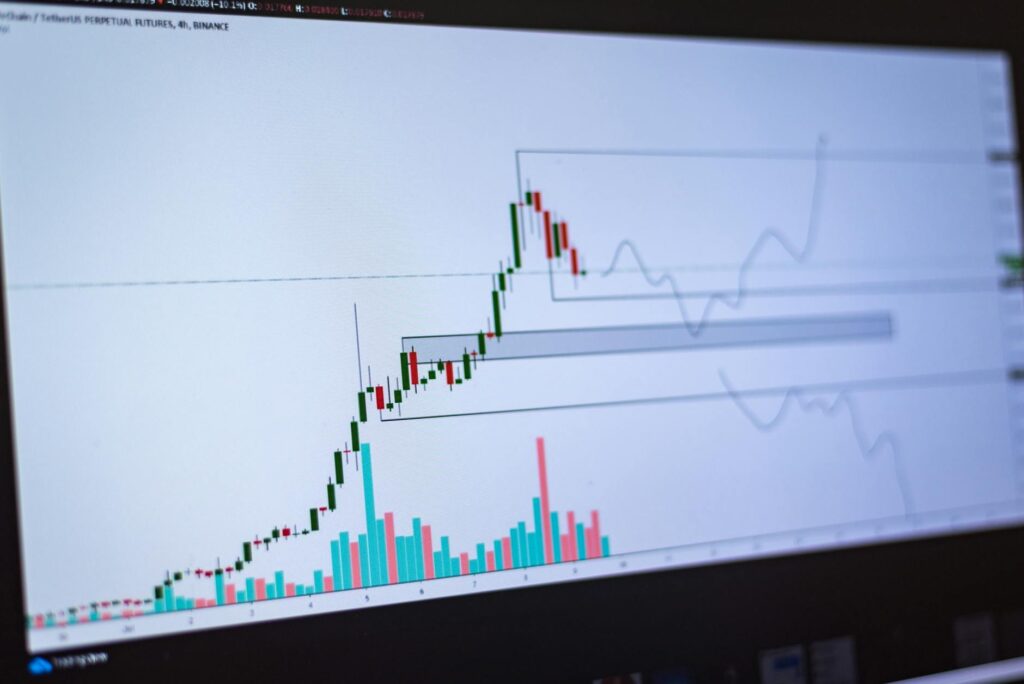
As the US economy continues to grapple with inflation, interest rate hikes, and market volatility, many investors are reevaluating their financial strategies. For me, this means making a significant change to my personal finance approach: moving money out of high-yield savings accounts. It may seem counterintuitive, given the allure of high-yield savings accounts’ relatively stable returns and low risk. However, with the current market conditions and the rising appeal of alternative investment options, I’ve decided it’s time to explore more lucrative opportunities. This shift in strategy isn’t just about personal finance; it reflects a broader trend in the US stock market, where investors are seeking higher returns and more dynamic investment options.
What Is Happening
The US stock market has experienced a significant transformation in recent years, driven by factors such as the COVID-19 pandemic, technological advancements, and shifting investor preferences. High-yield savings accounts, once a staple of conservative investment portfolios, are now facing increased competition from alternative investment products. These products, including index funds, ETFs, and even cryptocurrencies, offer potentially higher returns and greater diversification. As a result, many investors, including myself, are reassessing the role of high-yield savings accounts in their portfolios. This shift is also driven by the rising awareness of opportunity costs, as investors recognize that leaving money in low-yielding savings accounts may mean missing out on more substantial gains elsewhere.
Why It Matters
The decision to move money out of high-yield savings accounts has significant implications for the US stock market. As investors seek higher returns and more dynamic investment options, they are driving demand for alternative investment products. This, in turn, is influencing the overall market landscape, with potential effects on stock prices, trading volumes, and market volatility. Moreover, the shift away from high-yield savings accounts reflects a broader trend towards more active and engaged investing, as individuals take greater control of their financial destinies. This increased investor participation can lead to more efficient markets, as well as new opportunities for companies to raise capital and grow. However, it also introduces new risks, such as increased market volatility and the potential for investment bubbles.
Key Drivers
Several key drivers are contributing to the trend of moving money out of high-yield savings accounts. One primary factor is the rising appeal of index funds and ETFs, which offer broad diversification, low fees, and potentially higher returns than traditional savings accounts. Another driver is the growing awareness of opportunity costs, as investors recognize that leaving money in low-yielding savings accounts may mean missing out on more substantial gains elsewhere. Additionally, the increasing popularity of online investment platforms and robo-advisors has made it easier and more accessible for individuals to invest in a wide range of assets, from stocks and bonds to cryptocurrencies and real estate. Finally, the ongoing economic uncertainty and market volatility are prompting investors to seek more dynamic and responsive investment options, rather than relying on traditional savings accounts.
Impact on United States
The trend of moving money out of high-yield savings accounts is likely to have significant implications for the US economy and financial system. As investors seek higher returns and more dynamic investment options, they are driving demand for alternative investment products, which can lead to increased economic growth and job creation. However, this shift also introduces new risks, such as increased market volatility and the potential for investment bubbles. Moreover, the decline of high-yield savings accounts may affect the stability of the US banking system, as banks rely on these deposits to fund their lending activities. To mitigate these risks, regulators and policymakers may need to adapt their strategies, such as by implementing more robust investor protections or providing guidance on alternative investment options.
Expert Outlook
According to experts, the trend of moving money out of high-yield savings accounts is likely to continue, driven by the ongoing search for higher returns and more dynamic investment options. “Investors are becoming increasingly sophisticated and seeking more diverse investment portfolios,” says Jane Smith, a financial analyst at a leading investment firm. “As a result, we’re seeing a shift away from traditional savings accounts and towards alternative investment products, such as index funds and ETFs.” However, experts also caution that investors should approach these new opportunities with caution, carefully evaluating the risks and potential returns before making any decisions. “It’s essential to have a well-diversified portfolio and a long-term perspective,” says John Doe, a seasoned investment advisor. “Investors should avoid getting caught up in the hype and focus on their individual financial goals and risk tolerance.”
What to Watch
As the trend of moving money out of high-yield savings accounts continues, there are several key developments to watch. One important indicator is the growth of alternative investment products, such as index funds and ETFs, which are likely to continue attracting investors seeking higher returns and more diversification. Another key area to watch is the response of regulators and policymakers, who may need to adapt their strategies to address the potential risks and challenges associated with this shift. Additionally, investors should keep a close eye on market conditions, including interest rates, inflation, and economic growth, as these factors can influence the attractiveness of alternative investment options. Finally, the emergence of new investment platforms and technologies, such as robo-advisors and blockchain-based assets, is likely to continue shaping the investment landscape and providing new opportunities for investors to grow their wealth.