
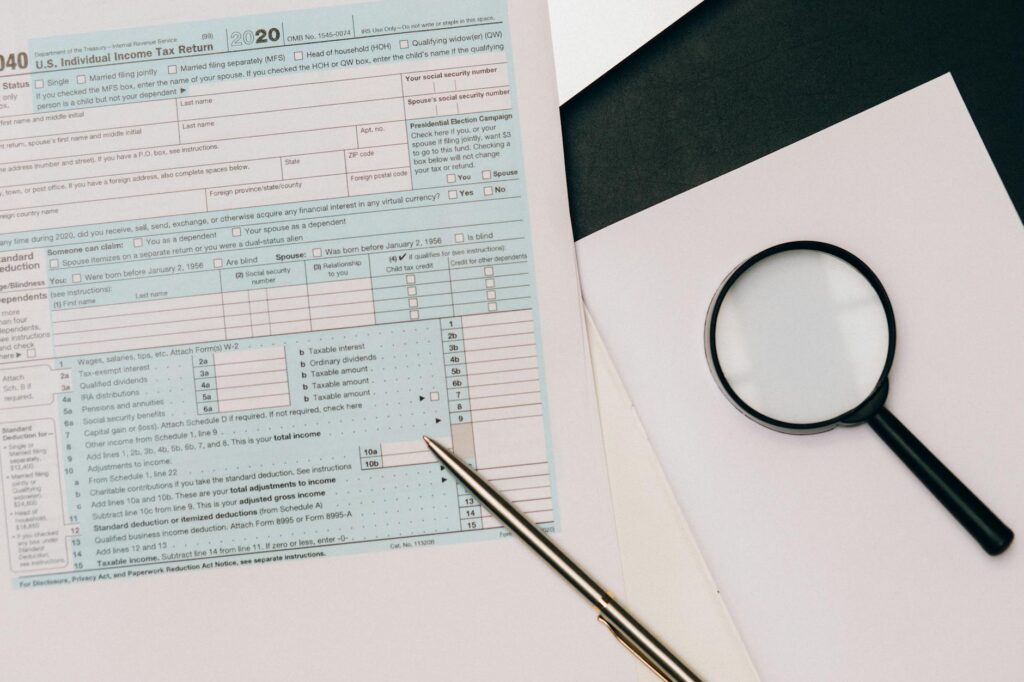
As the tax season approaches, many Americans find themselves scrambling to meet their tax obligations. With the IRS imposing penalties and interest on unpaid taxes, the stress can be overwhelming. According to the Internal Revenue Service (IRS), the total amount of unpaid taxes in the United States exceeds $450 billion, with many individuals and businesses facing financial hardship due to tax delinquency. This issue is not only a personal concern but also has significant implications for the broader economy and investments. In this article, we’ll delve into the reasons behind the problem, its impact on the United States and its investments landscape, and most importantly, explore the five ways to tackle your tax bill when you’re struggling to pay.
What Is Happening
The inability to pay taxes is a widespread issue that affects millions of Americans. It’s not just a matter of individuals or businesses failing to meet their tax obligations, but rather a complex problem that involves various factors, including economic uncertainty, financial constraints, and inadequate tax planning. Many taxpayers face unexpected expenses, medical emergencies, or business downturns that lead to a sudden shortage of funds, making it difficult to pay their taxes on time.
One of the primary reasons for tax delinquency is the lack of financial preparedness. Many taxpayers fail to set aside enough funds to cover their tax liability, which can be substantial, especially for self-employed individuals and businesses. According to a survey by the National Association of Enrolled Agents, 60% of small business owners reported that they did not have enough money set aside to pay their tax liability, leading to a significant number of delinquencies.
Another factor contributing to tax delinquency is the complexity of the tax code. The Tax Cuts and Jobs Act (TCJA) introduced in 2017, for example, brought significant changes to the tax landscape, making it more challenging for taxpayers to navigate. The law reduced corporate tax rates, doubled the standard deduction, and eliminated many itemized deductions, leading to a decrease in tax revenue. However, it also introduced new provisions that can create confusion and uncertainty for taxpayers.
Why It Matters
The inability to pay taxes has far-reaching consequences that extend beyond individual taxpayers. When taxpayers fail to meet their tax obligations, it can lead to a significant loss of revenue for the government, which can compromise its ability to fund essential public services and infrastructure projects. This can, in turn, impact the broader economy, leading to increased borrowing costs, reduced economic growth, and lower investor confidence.
In addition, tax delinquency can damage a taxpayer’s credit score, making it more challenging to access credit or loans in the future. It can also lead to a range of penalties and fees, including interest, fines, and even wage garnishment. In extreme cases, tax delinquency can result in the loss of a business or even lead to bankruptcy.

Key Drivers
Several key drivers are contributing to the growing issue of tax delinquency in the United States. One of the primary factors is the increasing complexity of the tax code, which can lead to confusion and uncertainty among taxpayers. The TCJA introduced significant changes to the tax landscape, making it more challenging for taxpayers to navigate.
Another key driver is the rising cost of living, particularly in high-cost areas such as California and New York. Taxpayers in these regions often face significant expenses, including housing costs, healthcare, and education, which can make it difficult to set aside enough funds to cover their tax liability.
The COVID-19 pandemic has also had a significant impact on tax delinquency. Many businesses were forced to close or reduce operations, leading to a decline in revenue and increased financial pressure. Additionally, the pandemic has led to a surge in unemployment, which has resulted in a significant increase in tax delinquency among individuals.
Impact on United States
The inability to pay taxes has a significant impact on the United States economy and investments landscape. When taxpayers fail to meet their tax obligations, it can lead to a loss of revenue for the government, which can compromise its ability to fund essential public services and infrastructure projects. This can, in turn, impact the broader economy, leading to increased borrowing costs, reduced economic growth, and lower investor confidence.
The IRS has reported that tax delinquency can cost the government up to $10 billion in lost revenue each year. This can have a significant impact on the government’s ability to fund essential public services, such as education, healthcare, and infrastructure projects.
Expert Outlook
Tax professionals and experts are urging taxpayers to take proactive steps to avoid tax delinquency. One of the key strategies is to set aside enough funds to cover tax liability, including unexpected expenses and tax increases.
Another strategy is to seek professional help, such as hiring a tax professional or accountant to help navigate the tax code and identify potential deductions and credits. Taxpayers can also take advantage of available tax credits, such as the Earned Income Tax Credit (EITC) or the Child Tax Credit.
What to Watch
As the tax season approaches, taxpayers are advised to take a proactive approach to managing their tax obligations. Here are five key strategies to tackle your tax bill when you’re struggling to pay:
1. Develop a Tax Plan: Create a tax plan that takes into account your income, expenses, and tax liability. Set aside enough funds to cover your tax obligations, including unexpected expenses and tax increases.
2. Seek Professional Help: Hire a tax professional or accountant to help navigate the tax code and identify potential deductions and credits. Tax professionals can also help you identify areas where you may be eligible for tax relief.
3. Prioritize Your Taxes: Prioritize your taxes by setting aside enough funds to cover your tax liability. Consider setting up a separate account to manage your tax payments.
4. Take Advantage of Tax Credits: Take advantage of available tax credits, such as the EITC or the Child Tax Credit. These credits can help reduce your tax liability and provide a much-needed financial boost.
5. Communicate with the IRS: If you’re struggling to pay your taxes, communicate with the IRS to discuss possible payment options or alternative payment plans. The IRS may be able to offer a payment plan or other relief options to help you meet your tax obligations.
In conclusion, tax delinquency is a widespread issue that affects millions of Americans. The inability to pay taxes can have far-reaching consequences, including a loss of revenue for the government, damaged credit scores, and even bankruptcy. By developing a tax plan, seeking professional help, prioritizing your taxes, taking advantage of tax credits, and communicating with the IRS, taxpayers can take proactive steps to avoid tax delinquency and ensure compliance with their tax obligations.